

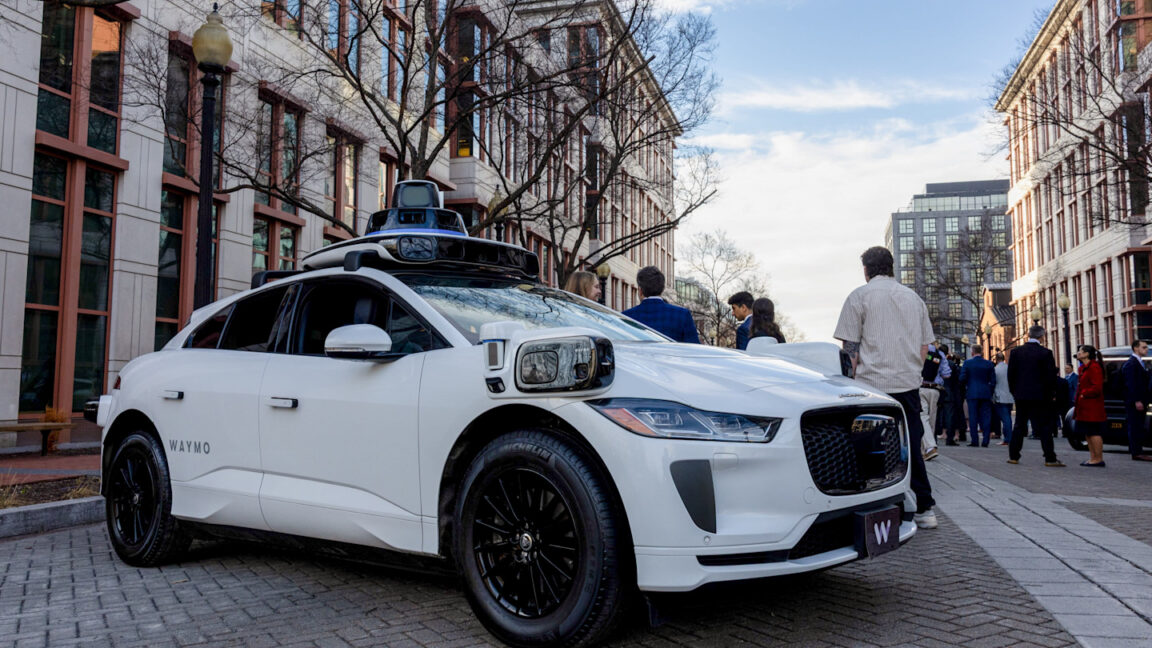
Waymo, owned by Alphabet, has significantly increased its federal lobbying expenditures in pursuit of regulatory approval for fully autonomous ride-hailing services. The company spent more than $1 million between April and June on federal lobbying efforts, representing more than a doubling of its spending compared to the same period a year prior, bringing its total first-half spending to slightly over $2 million—a 93 percent increase from the previous year. The company’s lobbying outlay now approaches that of Uber while substantially exceeding competitors such as Amazon’s Zoox and Tesla.
Waymo and Uber are advancing fundamentally different regulatory strategies regarding the robotaxi market. Waymo advocates for an expedited transition to fully driverless commercial services and has called for a federal framework to streamline the rollout process. In contrast, Uber is promoting a gradual implementation approach in which autonomous vehicles operate concurrently with human drivers. These competing visions have contributed to a deterioration in their relationship, with reports indicating Waymo is considering an exit from its partnership with Uber in Austin and Atlanta.
Both companies have stepped up lobbying activities across multiple U.S. states and Washington, DC, following setbacks in expanding to major markets including New York and Chicago, where political opposition and labor concerns about driver displacement have impeded progress. Waymo has engaged multiple lobbying firms, including Greenberg Traurig as of May, and has made substantial investments in specific markets. The company has outspent competitors in Washington, DC, and allocated more than $500,000 in New York state lobbying this year—double Uber’s spending in that state. Waymo also proposed a $20 million fund to support drivers impacted by autonomous vehicle deployment.
Uber has pursued a different regulatory approach by advocating for hybrid network models that blend autonomous and human-operated services. In New Jersey, Uber has proposed that platforms offering robotaxi services maintain human drivers for at least 85 percent of rides during pilot programs. The company has committed substantial capital to autonomous vehicle development through equity investments and fleet agreements following its 2020 decision to exit its internal self-driving program. Both companies have rejected characterizations of their positions, with Waymo stating it is not seeking to limit competitors and Uber asserting it is not anti-autonomous vehicle development.
Article Attribution | Read More at Article Source
Article summary produced by Claude AI