

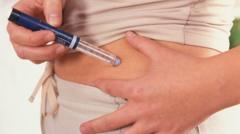
A new insulin treatment has received preliminary approval that could significantly alter diabetes management for a substantial portion of the patient population in the UK. The weekly injection, marketed as Onswik and developed by Eli Lilly, has been endorsed by the National Institute for Health and Care Excellence (Nice), which evaluates medications for potential NHS availability.
The treatment is designed to provide equivalent effectiveness to daily insulin injections while requiring administration only once per week. This shift in administration frequency could yield a reduction of 86% in the number of injections needed annually for patients who switch to the new therapy. Nice indicated that the medication could meaningfully improve daily life for individuals with type 2 diabetes, particularly those who depend on caregivers, family members, or healthcare professionals to administer their injections.
Type 2 diabetes affects a significant portion of the approximately 4.7 million people living with diabetes in the UK as of 2024-25, representing roughly 90% of all diabetes cases. About 1 in 4 people with type 2 diabetes currently require insulin therapy. The new treatment would likely benefit those with additional care requirements, including elderly individuals, people with visual impairments, those with limited hand mobility, and individuals with learning disabilities.
Before the treatment becomes available through the NHS, the Medicines and Healthcare products Regulatory Agency (MHRA) must grant its license. Health officials are awaiting the MHRA’s decision to determine rollout feasibility. Diabetes UK stated that the weekly injection option could enhance disease management and quality of life for patients, particularly those requiring assistance with daily injections, while also potentially reducing healthcare disparities in diabetes treatment.
Nice guidance applies directly to NHS services in England and is frequently adopted by NHS Wales. In Scotland and Northern Ireland, separate evaluation processes through the Scottish Medicines Consortium and the Department of Health respectively determine whether treatments will be made available.
Article Attribution | Read More at Article Source
Article summary produced by Claude AI