

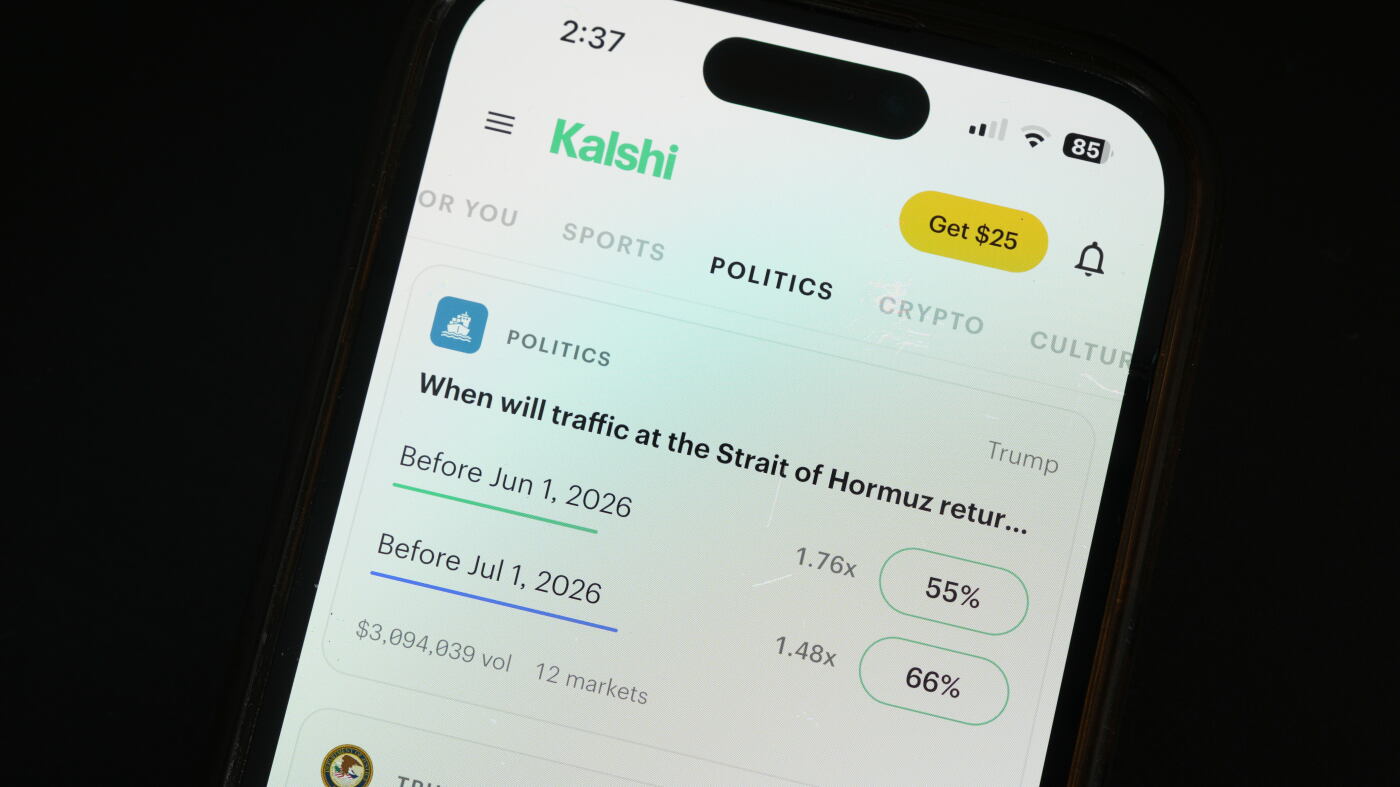
A fake polling company that released false election data earlier this month has reignited discussions about the vulnerability of prediction market platforms to manipulation and misinformation, particularly as midterm elections approach in two months.
The phony polls, released under the name Median Strategies and later revealed to be created by a 21-year-old identified as Rahil Prakash, focused on races in Los Angeles, Wisconsin, and Nevada. Prakash stated in a message to NPR that the fabricated figures constituted “a short-term social experiment” designed to measure how quickly false data would spread through news outlets and social media. He asserted that he did not attempt to profit from the attention or place any bets related to the races covered by the fake polls.
Amanda Fischer, chief policy officer at financial reform group Better Markets, characterized prediction markets as “very easily manipulated” and expressed concern that the upcoming election cycle represents the first major electoral contest since platforms like Kalshi and Polymarket achieved mainstream adoption. She warned that “partisan interests, and worse, perhaps even foreign actors” may seek to exploit these markets. Investigations by Kalshi and Polymarket found no evidence that Prakash had placed trades on either platform using the fabricated data, though Polymarket officials indicated they were still examining possible activity on overseas accounts that permit anonymous cryptocurrency trading.
The incident occurs amid a pattern of high-profile trading violations on prediction market platforms, including cases involving a special forces soldier, former Congressman George Santos, and a presidential staff member. Some political operatives have questioned whether prediction markets provide genuine forecasting value beyond traditional polling. Democratic strategist Eddie Vale, who worked on a recent Wisconsin campaign, suggested the platforms “are just reacting belatedly to public information, like polls and news stories.”
Kalshi countered such criticisms by noting its federal regulation by the Commodity Futures Trading Commission and arguing that the fake polls actually demonstrated market resilience, as traders incurred losses for acting on false information. The Los Angeles Mayor Karen Bass campaign called for criminal prosecution of “bad faith attempts to influence elections.”
Article Attribution | Read More at Article Source
Article summary produced by Claude AI