

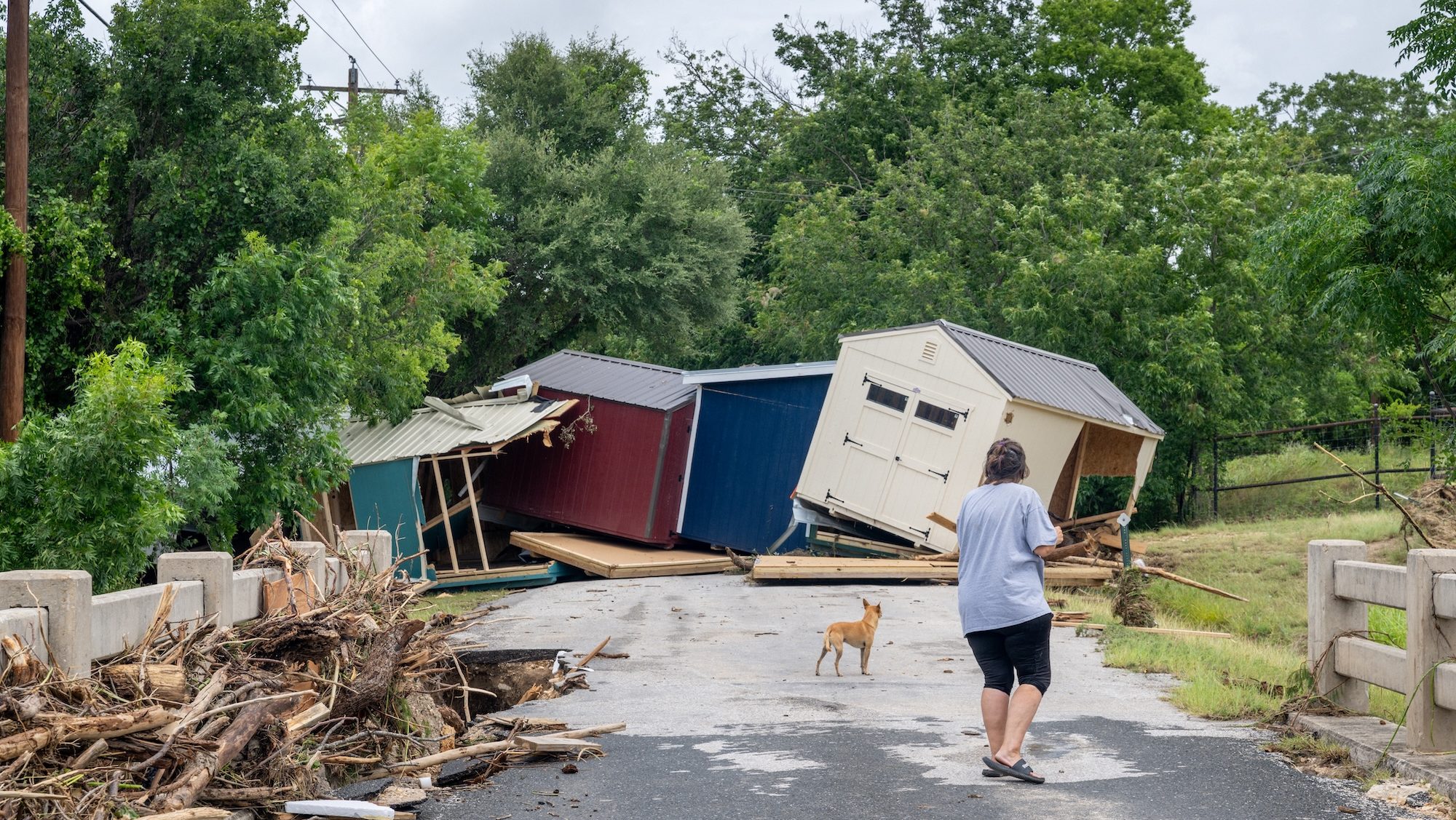
Central Texas experienced significant flooding in the weeks following the previous year’s devastating disaster that killed 139 people and prompted statewide improvements to flood warning infrastructure. The recent storm brought between 12 and 28 inches of rain to a dozen counties north and west of San Antonio, destroying or damaging hundreds of buildings but resulting in only three deaths.
Following investigations into the prior year’s failures, the state enacted legislative measures to strengthen warning systems. These included establishing emergency alert systems, installing outdoor sirens in vulnerable areas, and deploying additional rain gauges and monitoring equipment. The Upper Guadalupe River Authority launched RiverHub, a tracking website providing real-time data on river conditions. Twenty-nine of 30 eligible counties had joined the new warning system program by early July.
Experts attributed the lower death toll to multiple factors. The storm moved more slowly than the previous year’s event and was easier to forecast, allowing the National Weather Service to brief emergency officials four days in advance rather than less than 24 hours. Rainfall intensity was also lower, at 2 to 5 inches per hour compared to the prior year’s 4 to 6 inches, providing more time for evacuations. Community members demonstrated heightened awareness following the previous disaster, checking on neighbors and heeding evacuation orders.
However, officials cautioned against declaring the problem solved. Many flood-prone areas still lack adequate sirens, stream gauges, and monitoring infrastructure. Kerr County estimated comprehensive system costs at $14 million but received only $1 million in state funding. Experts noted that sirens alone cannot prevent fatalities since people may not hear them during severe storms or sleep. One former authority official emphasized that effective warning requires continuous monitoring of entire watersheds with real-time data gathering.
Some residents who experienced both floods relocated to higher ground, while others acknowledged the increasing frequency of extreme rainfall events may be linked to changing climate conditions. The state indicated the flood response conversation would continue in the next legislative session.
Article Attribution | Read More at Article Source
Article summary produced by Claude AI