

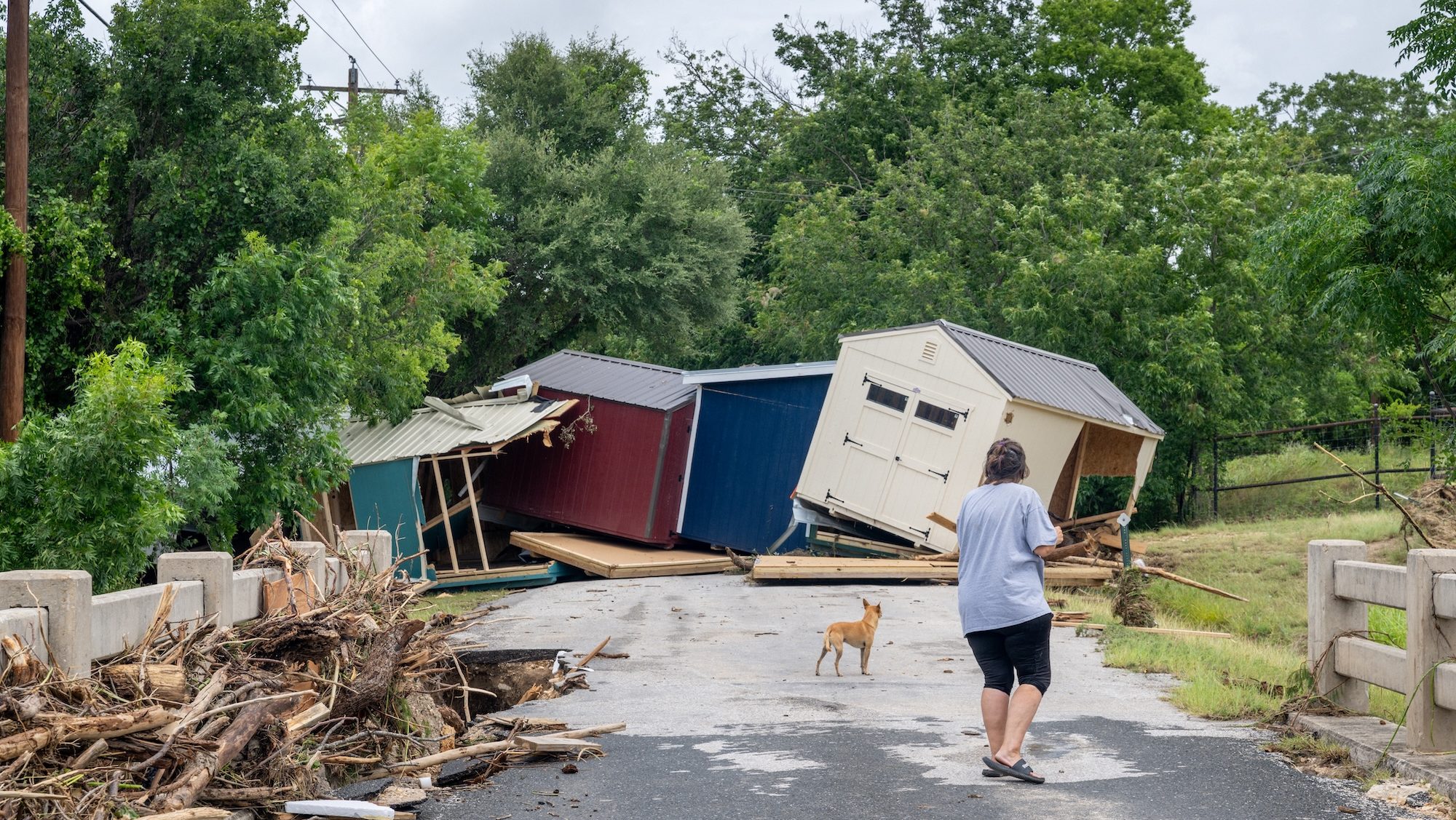
A significant flooding event struck the Texas Hill Country last month, bringing 12 to 28 inches of rainfall across counties north and west of San Antonio and destroying or damaging hundreds of structures. The disaster tested emergency management systems overhauled following a catastrophic flood from the previous year that killed 139 people, including 25 girls at a youth camp, and exposed critical gaps in the state’s flood-warning infrastructure.
Legislators responded to last year’s disaster by passing four flood-response bills during a special session. These measures strengthened safety requirements at youth camps, launched a statewide program to expand flood-warning systems across 30 counties, and allocated $50 million for warning sirens plus an additional $24 million for weather monitoring equipment in the Hill Country region. The Upper Guadalupe River Authority independently installed sirens and upgraded its monitoring capabilities using reserve funds, creating RiverHub, a public tracking website for river conditions.
The lower death toll in the recent flooding—three deaths compared to 139 the previous year—resulted from multiple factors working in concert. The current storm moved more slowly and produced lighter rainfall rates than its predecessor, giving meteorologists four days’ notice instead of less than 24 hours. The National Weather Service employed the same forecasting models as before but had significantly more lead time. Community members remained hypervigilant following the previous year’s trauma, checking on neighbors and heeding evacuation orders rather than attempting to drive through floodwaters.
However, experts caution against overestimating the improvements’ effectiveness. The lower casualty count may reflect the storm’s characteristics rather than institutional changes. Some communities still lack adequate warning sirens and stream gauges despite being included in last year’s disaster declaration. Eastern Kerr County, where previous catastrophic flooding occurred, had no sirens activate during the recent deluge. Officials estimate comprehensive flood-warning infrastructure would cost at least $14 million, far exceeding the state’s $1 million allocation. Water management professionals emphasize that reaction-based systems like sirens cannot replace comprehensive, real-time watershed monitoring and that substantial work remains to adequately protect vulnerable populations in flood-prone areas.
Article Attribution | Read More at Article Source
Article summary produced by Claude AI