

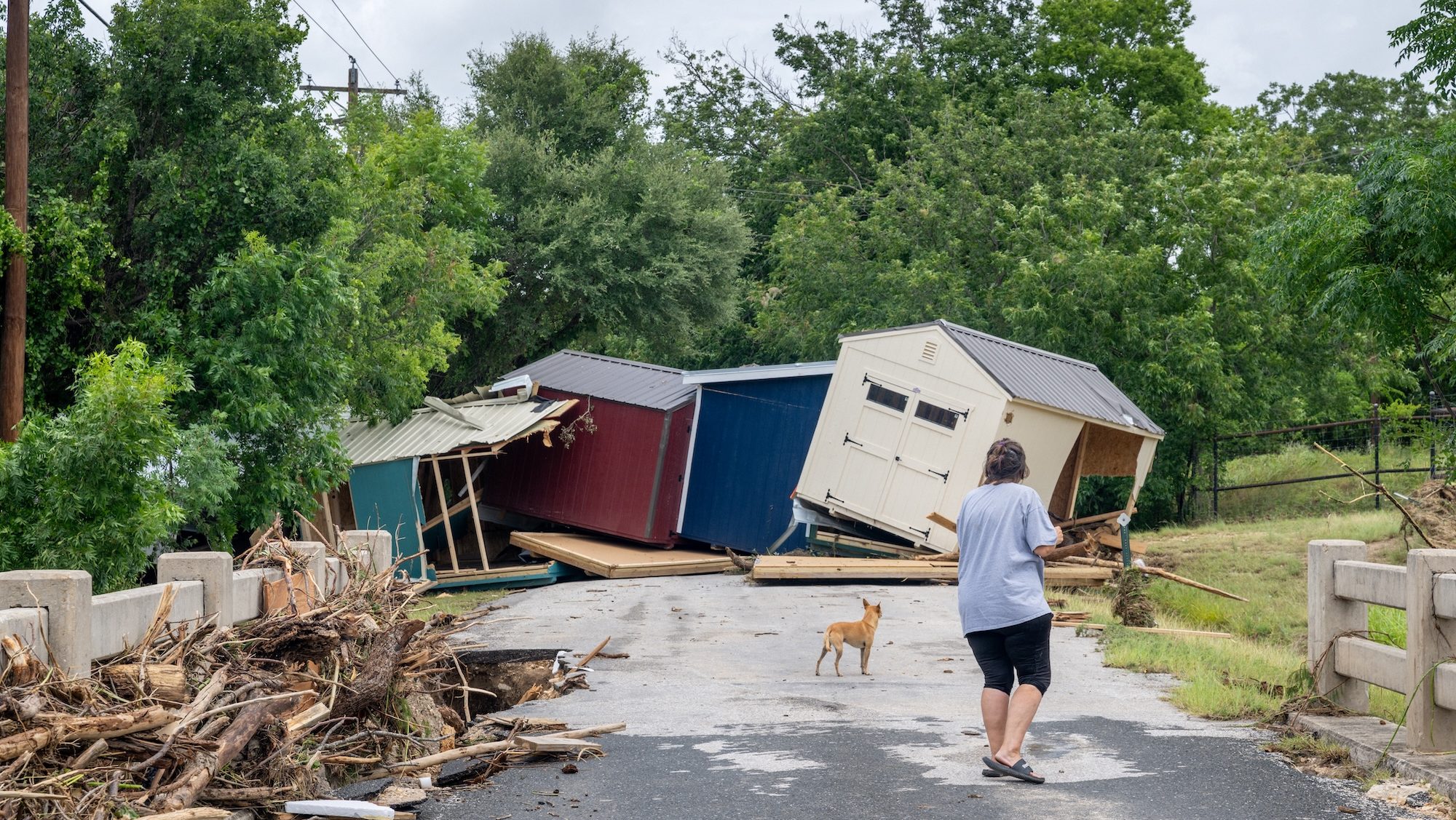
Central Texas experienced a significant flood event last month, bringing between 12 and 28 inches of rain to counties north and west of San Antonio. The disaster damaged or destroyed hundreds of structures across the region. Notably, only three people died in the flooding, a stark contrast to the previous year’s catastrophe when 139 people perished in similar circumstances.
The lower death toll was attributed to several factors. Forecasters were able to issue warnings four days before the river peaked, compared to less than 24 hours notice the prior year. The storm itself moved more slowly and produced lighter rainfall rates—2 to 5 inches per hour versus 4 to 6 inches per hour—allowing more time for evacuations. Additionally, the community remained hypervigilant following the previous year’s disaster, with residents checking on neighbors and heeding evacuation orders. Local authorities deployed emergency text alerts and activated sirens before and during the storm.
Legislators had responded to deficiencies exposed by the earlier flood by passing four bills during a special session. Two addressed youth camp safety, while others funded expansion of flood-warning systems across 30 counties and allocated $74 million for equipment including warning sirens, rain gauges, and radar systems. The Upper Guadalupe River Authority independently installed six sirens and established RiverHub, a water-tracking website that provided real-time data.
However, experts cautioned that significant work remains unfinished. Many flood-prone areas still lack adequate warning infrastructure, and some analysts questioned whether improvements in preparedness or institutional changes, rather than the storm’s reduced intensity, truly prevented additional deaths. Experts stressed that warning systems are reactive measures and that comprehensive monitoring of watersheds with extensive gauge networks represents a more effective long-term approach. Governor Greg Abbott indicated the state would continue addressing flood preparedness in future legislative sessions.
For residents like Paul Welch and Elizabeth Hastings, who evacuated their riverside property for the second time in twelve months, the repeated disasters prompted relocation to higher ground in Kerrville, though they indicated plans to continue visiting the river valley by vehicle for quick escape if needed.
Article Attribution | Read More at Article Source
Article summary produced by Claude AI