

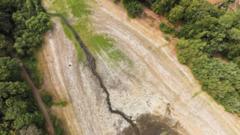
Determining when a drought ends involves more complexity than measuring rainfall amounts, according to hydrologists and environmental scientists. The distinction lies between meteorological drought—periods of below-normal rainfall—and the subsequent stages affecting soil moisture, river flows, and groundwater levels. Dr Katie Facer-Childs from the UK Centre for Ecology & Hydrology notes that the current drought has been driven by both insufficient rainfall and elevated temperatures that increase evaporation.
Water recovery proceeds through distinct phases, beginning with soil moisture depletion that affects agriculture, followed by declining river levels, and potentially declining groundwater and reservoir levels if dry conditions persist. According to the British Geological Survey, no groundwater sites in the UK are currently at record low levels, with nearly half reporting normal readings, suggesting the situation has not yet reached its most severe stage. However, determining true recovery requires assessment during late autumn and winter months when rainfall typically increases, allowing scientists to monitor whether water penetrates rock layers into underground aquifers.
Even when autumn rains arrive, sustained precipitation over months proves necessary rather than brief heavy downpours. Hydrologists anticipate having clearer answers about aquifer and reservoir replenishment by February or March, though environmental recovery from drought impacts can extend for years. A dry winter would exacerbate current conditions and heighten government concerns, with some experts warning of potentially catastrophic outcomes if rainfall remains insufficient.
Climate scientists note an emerging pattern of rapid oscillations between drought and flooding conditions, termed weather whiplash. Extremely dry land loses its capacity to absorb water effectively, causing heavy rainfall to trigger flash flooding. Research indicates the UK will likely experience faster transitions between droughts and floods, particularly in south-east England and parts of the north-west. This increasing volatility poses challenges for water management, agriculture, and infrastructure planning, prompting calls for fundamental changes in landscape management approaches that historically prioritized rapid water drainage from land.
Article Attribution | Read More at Article Source
Article summary produced by Claude AI