

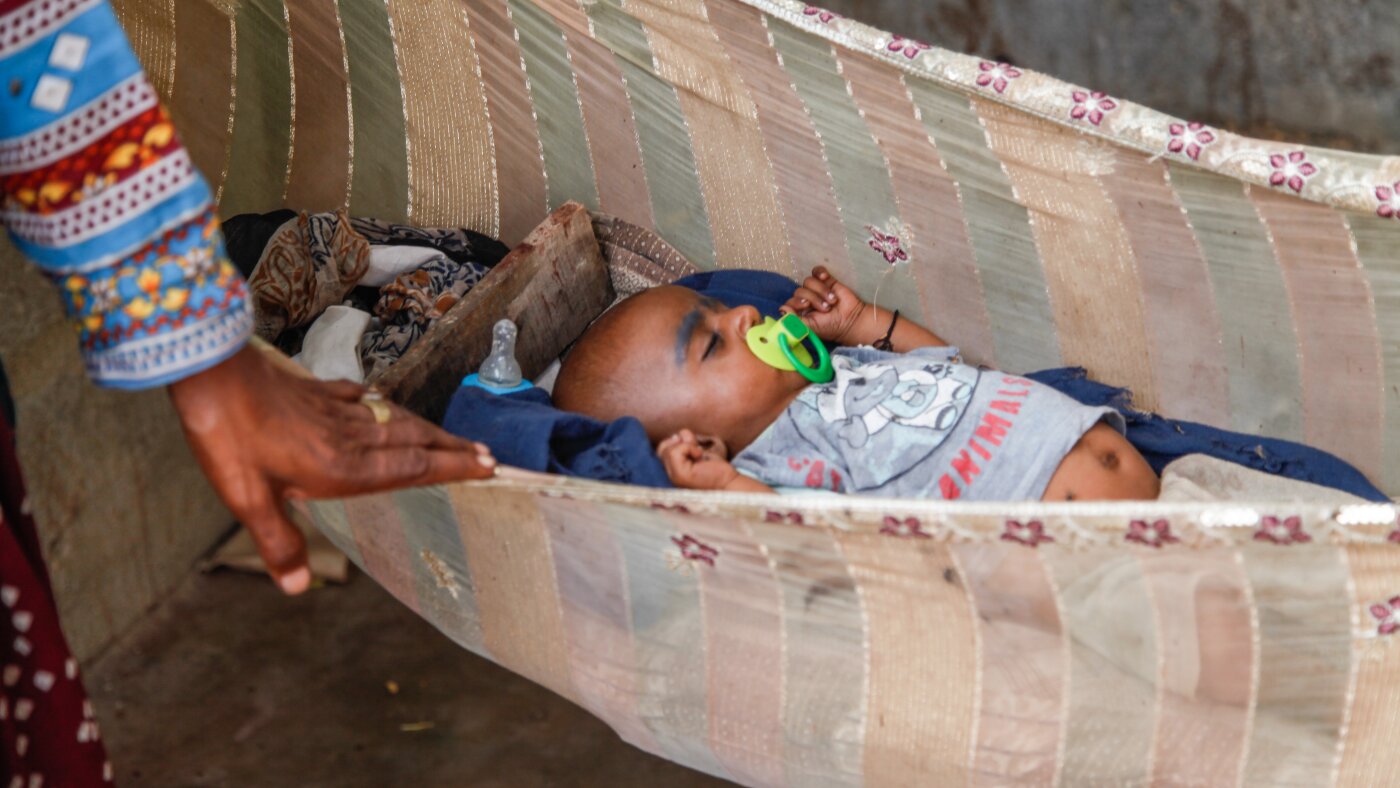
The fishing settlement of Rehri Goth near Karachi, Pakistan faces an unusually high rate of premature births. Approximately one in four babies in the community are born before 37 weeks of gestation, a rate that nearly doubles Pakistan’s nationwide average of just over 14 percent and ranks among the world’s highest. Local families struggle with severe malnutrition, extreme heat, and inadequate sanitation, all contributing factors to early delivery.
Researchers at Agha Khan University, led by Dr. Fyezah Jehan, have begun investigating the microbiome as a potential explanation for the elevated prematurity rates. The team examined fecal samples from 108 women in the area collected over two decades, comparing those who delivered at term with those who gave birth prematurely. Their analysis identified a bacterium called Prevotella copri that was present at significantly lower levels in women who experienced premature births. Jehan described this finding as a potential breakthrough in understanding the prematurity puzzle, though she emphasized the research remains preliminary.
Experts caution that the association between lower Prevotella copri levels and premature birth requires further investigation before clinical applications can be developed. Dr. Vincent B. Young from the University of Michigan noted that association does not necessarily indicate causation, and that simply providing the bacterium to at-risk women may not resolve underlying conditions that suppress its natural presence. The research team plans to replicate their findings using different populations and sample collection methods, and hopes to eventually test whether administering Prevotella copri to pregnant women helps extend pregnancies to term.
Beyond the microbiome research, families in Rehri Goth face immediate challenges accessing adequate healthcare and nutrition. Young mothers like 17-year-old Mariam struggle to obtain follow-up care for prematurely born infants, while dangerous health advice—such as discouraging breastfeeding in favor of unaffordable or unsuitable formula alternatives—compounds difficulties for vulnerable newborns. Dr. Jehan acknowledged that comprehensive solutions addressing education, water access, and sanitation would likely have greater impact than laboratory interventions, but noted that major donors often prefer funding scientific research over long-term infrastructure improvements.
Article Attribution | Read More at Article Source
Article summary produced by Claude AI