

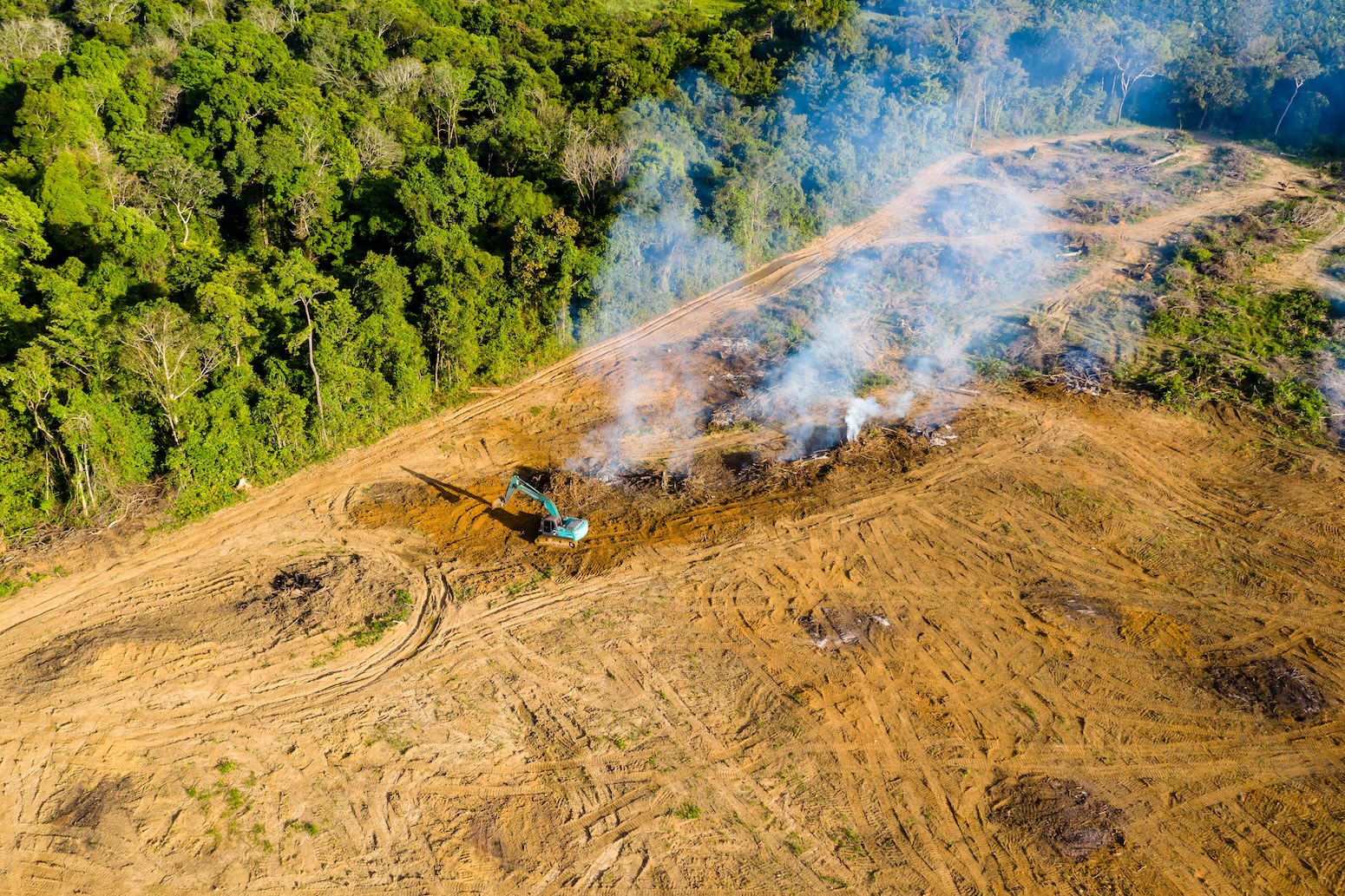
The Global Carbon Budget report, formally published in May in the journal Earth System Science Data, documents a statistically significant decrease in emissions from land-use change since the late 1990s. These emissions, which stem from deforestation, peatland loss, and forest degradation, have experienced an accelerating decline in recent years, with a particularly steep drop occurring after 2015. Climate scientists note that land-use emissions in 2025 had decreased by around 32% compared to their average in the 2000s.
Historically, land-use change emissions remained relatively constant through the four decades leading to 1999, averaging approximately 6.6 billion tonnes of carbon dioxide per year. Since that time, however, the trend has shifted significantly downward. The 2025 report estimates that land-use emissions over 2015-24 averaged 5 gigatonnes of CO2 annually, representing a 23% decrease from the 1995-2004 average. This contrasts sharply with fossil fuel and cement emissions, which have risen consistently each decade since 1959, reaching 35.9 gigatonnes over 2015-24 and climbing to a preliminary 38.1 gigatonnes in 2025.
The decline in land-use emissions is primarily attributed to decreasing deforestation, particularly permanent deforestation used for agricultural conversion, mining, and urban development. Additionally, increased carbon removals from forest regrowth have contributed substantially to the downward trend. Over 2015-24, carbon sequestration through reforestation and afforestation efforts offset approximately two-thirds of deforestation emissions, with forest growth removing 4.76 gigatonnes annually while deforestation produced 6.96 gigatonnes.
The steepest recent decline has been driven by a combination of factors, including a peak in peat fire emissions in 2015 followed by sustained decreases in deforestation emissions across many countries during 2010-20. The projected further drop between 2024 and 2025 is attributed to the end of El Niño conditions, which typically dry tropical peatlands and intensify uncontrolled deforestation fires. Brazil, the Democratic Republic of the Congo, and Indonesia accounted for more than half of global land-use emissions over 2015-24, though falling emissions in Brazil and Indonesia combined with increased afforestation in China have collectively driven the overall downward trend.
Article Attribution | Read More at Article Source
Article summary produced by Claude AI