

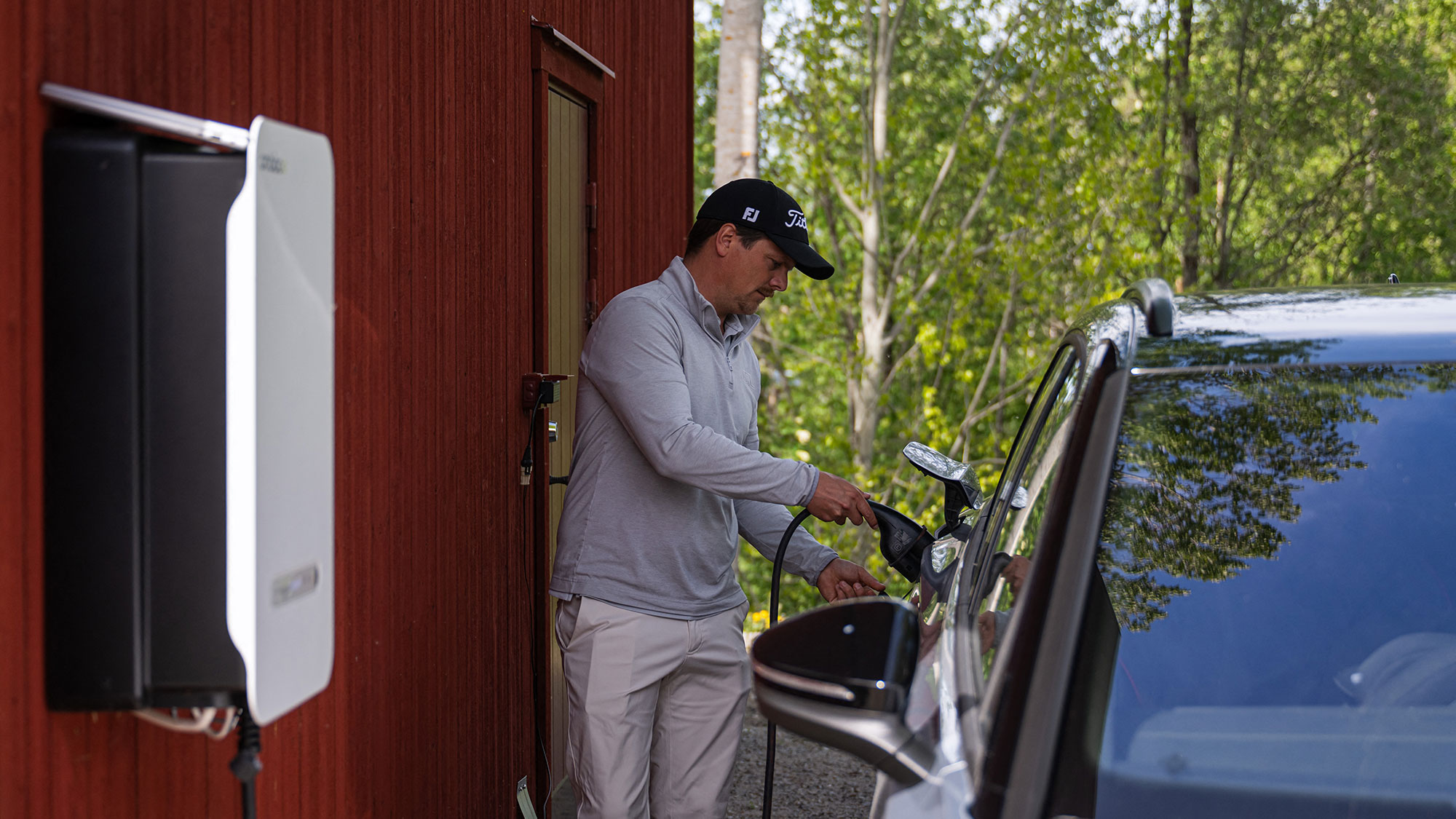
California is confronting a critical challenge as it increases renewable energy capacity through solar and wind installations. While this expansion reduces emissions and improves air quality, the state must address the intermittency problem—periods when neither sun nor wind generates electricity. To manage this issue, California has dramatically expanded battery storage infrastructure, with capacity increasing substantially between 2019 and 2025. However, researchers have identified an alternative resource that remains largely untapped: electric vehicles equipped with vehicle-to-grid technology.
A report produced by grid software company Kevala, nonprofit organization GridLab, and energy consulting firm E3 found that enrolling just ten percent of California’s EV owners in vehicle-to-grid programs by 2036 could provide approximately one-third of the state’s long-duration energy storage targets. The technology allows EV owners to send stored power back into the electrical system during peak demand periods. According to Kevala’s vice president, the level of participation required to achieve meaningful results would cost considerably less than purchasing additional grid-scale battery storage infrastructure.
Multiple pressures are mounting on electrical grids across the nation. Electricity demand continues rising due to the transition from fossil fuels to electric appliances and the expansion of energy-intensive data centers. Simultaneously, rising temperatures drive increased air conditioning use during summer months, creating peak demand periods as residents return home in the evening. Utilities traditionally managed such demand by activating natural gas power plants, but the proliferation of solar generation creates a timing mismatch—the sun sets precisely when electricity consumption peaks.
Vehicle-to-grid technology addresses this challenge by leveraging assets that already exist and often remain idle while parked. Rather than constructing expensive battery facilities, utilities could draw on distributed storage provided by electric vehicles. The key challenge involves structuring compensation appropriately. Incentivizing vehicle owners to participate requires competitive rates, but excessive payments could eliminate cost savings compared to traditional battery infrastructure. The report emphasizes that vehicle-to-grid deployment should occur alongside demand response strategies, such as programs allowing utilities to adjust smart thermostats during peak periods.
Implementing these complementary approaches could reshape how consumers interact with electrical systems. Rather than passive electricity consumers, households would become active participants managing both supply and demand. Properly designed programs could accelerate renewable energy adoption, reduce infrastructure costs, and lower electricity rates for all customers, including those without electric vehicles.
Article Attribution | Read More at Article Source
Article summary produced by Claude AI