

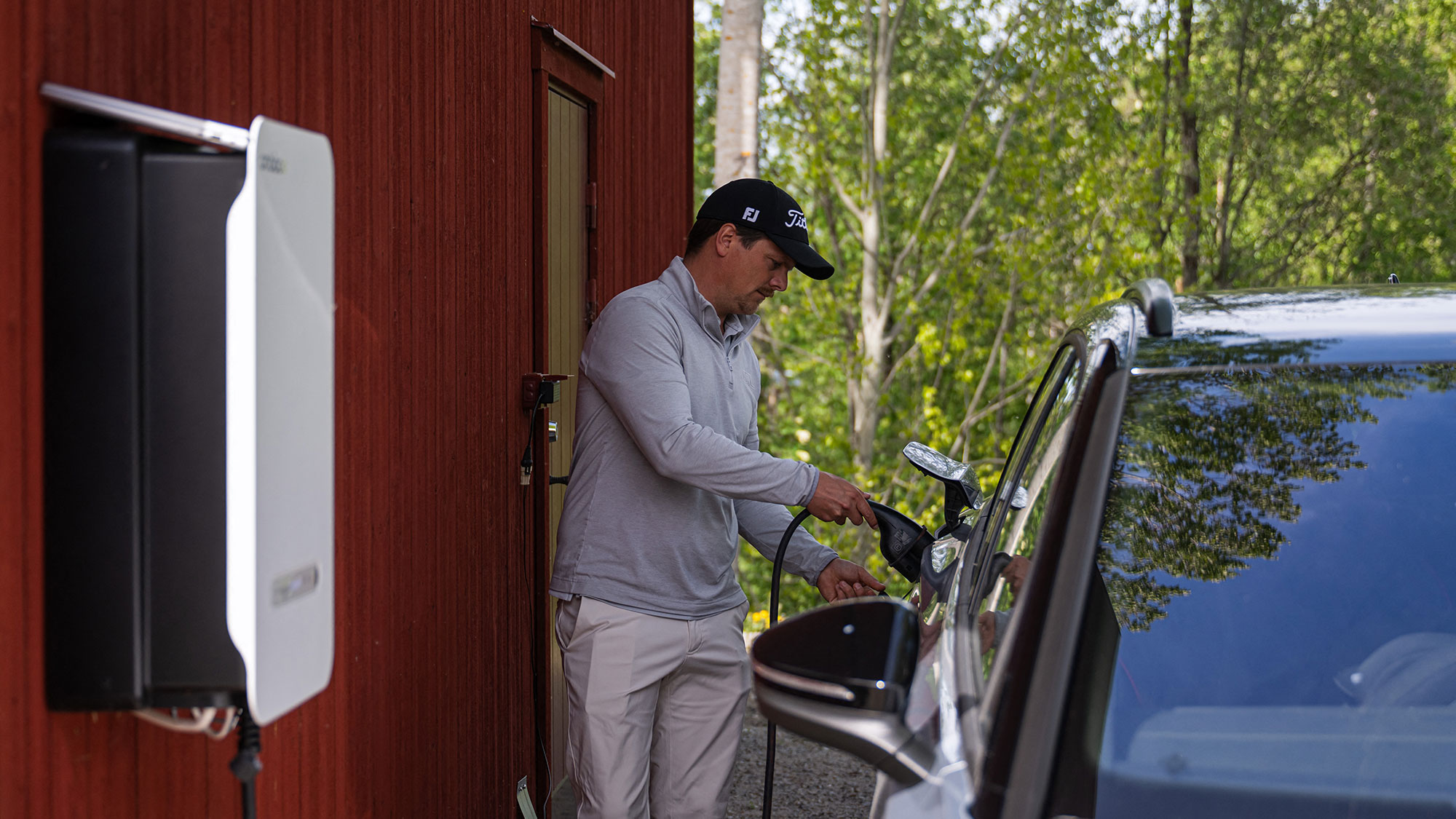
California faces a challenge managing renewable energy intermittency as it expands solar and wind capacity. The state has significantly increased battery storage infrastructure between 2019 and 2025, yet an emerging opportunity exists through electric vehicles equipped with vehicle-to-grid technology. This capability allows EV owners to supply stored power back to the electrical system during periods of high demand.
According to a new report developed by GridLab, E3 consulting, and Kevala, enrolling just ten percent of California EV owners in vehicle-to-grid programs by 2036 could supply roughly one-third of the state’s long-duration energy storage targets. This distributed approach would reduce reliance on conventional grid-scale battery facilities, which represent substantial capital expenditures. The vehicles parked in residential driveways and commercial parking areas represent an underutilized resource that could support grid stability without requiring major new infrastructure investments.
National electricity grids face mounting pressure from multiple sources: increasing demand driven by electrification of heating, cooking, and transportation; growth of data centers; rising temperatures requiring greater air conditioning use; and peak demand occurring in late afternoon when solar generation declines. Traditional approaches using natural gas plants to meet demand spikes become less viable with higher renewable penetration. Vehicle-to-grid technology, paired with demand-response programs that adjust thermostat settings, offers a complementary strategy to manage these challenges.
Implementing vehicle-to-grid programs effectively requires careful attention to compensation structures. Incentivizing EV owner participation encourages adoption, but excessive payments could exceed the cost of alternative storage solutions. Utilities would need to establish mechanisms allowing owners to specify when their vehicles should be fully charged while drawing power during other periods. Broader benefits would extend to all customers through potentially lower electricity rates if utilities avoid constructing additional infrastructure.
Experts emphasize that vehicle-to-grid initiatives should operate alongside existing demand-response strategies. Together, these approaches position consumers as active participants in grid management rather than passive electricity consumers, potentially accelerating renewable energy adoption while reducing system costs.
Article Attribution | Read More at Article Source
Article summary produced by Claude AI