

California faces challenges managing intermittent renewable energy sources from solar and wind installations while experiencing growing electricity demand from electrified appliances, heating systems, and data centers. The state has substantially increased battery storage capacity in recent years, yet faces the prospect of expensive grid-scale storage expansion to manage peak demand periods, particularly during summer months when cooling needs peak as solar generation declines.
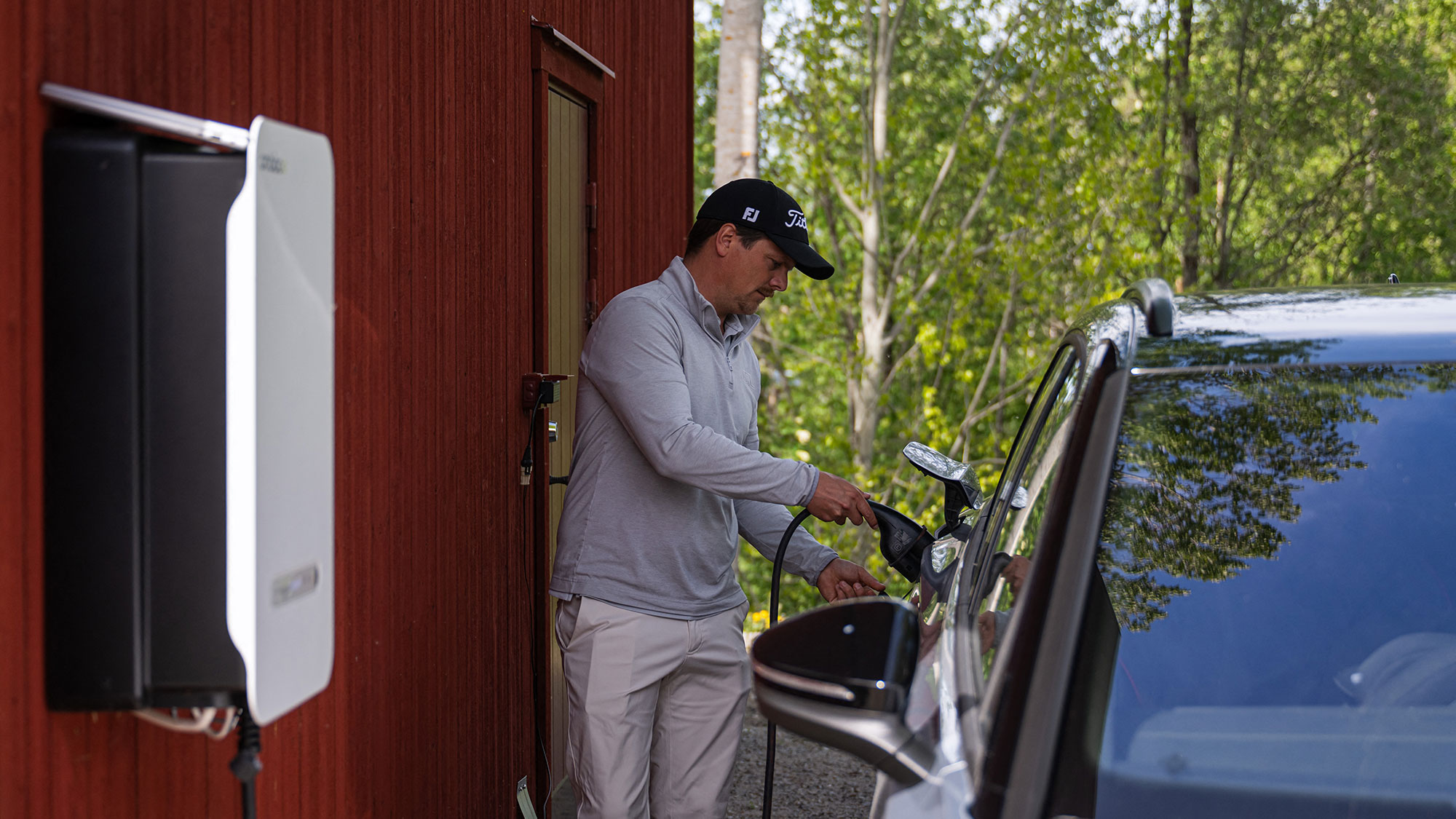
A report examining the state’s energy infrastructure identifies electric vehicles equipped with vehicle-to-grid technology as an underutilized resource for managing grid demand. The analysis indicates that if one-tenth of California’s EV owners enrolled in such programs by 2036, participating vehicles could supply approximately one-third of the state’s targeted long-duration energy storage needs. Since most EVs remain parked and idle during much of the day, this distributed storage capacity represents a significant existing resource that could reduce reliance on expensive centralized battery facilities.
Implementing vehicle-to-grid programs would require establishing appropriate compensation structures that incentivize participation without creating costs exceeding those of traditional battery storage infrastructure. Participating vehicle owners would retain control over charging schedules, ensuring their vehicles remain available for transportation needs. Broader benefits would extend to non-EV owners through potentially lower electricity rates, as utilities could avoid infrastructure expansion costs.
Experts recommend combining vehicle-to-grid initiatives with complementary demand management strategies, including demand response programs that allow utilities to adjust smart thermostats during peak periods. Such coordinated approaches would distribute electricity consumption more evenly throughout the day, reduce strain on grid infrastructure, and support accelerated transition to renewable energy sources. Implementation of these integrated strategies would gradually transition consumers from passive electricity consumers to active grid participants while enhancing system reliability and affordability.
Article Attribution | Read More at Article Source
Article summary produced by Claude AI