

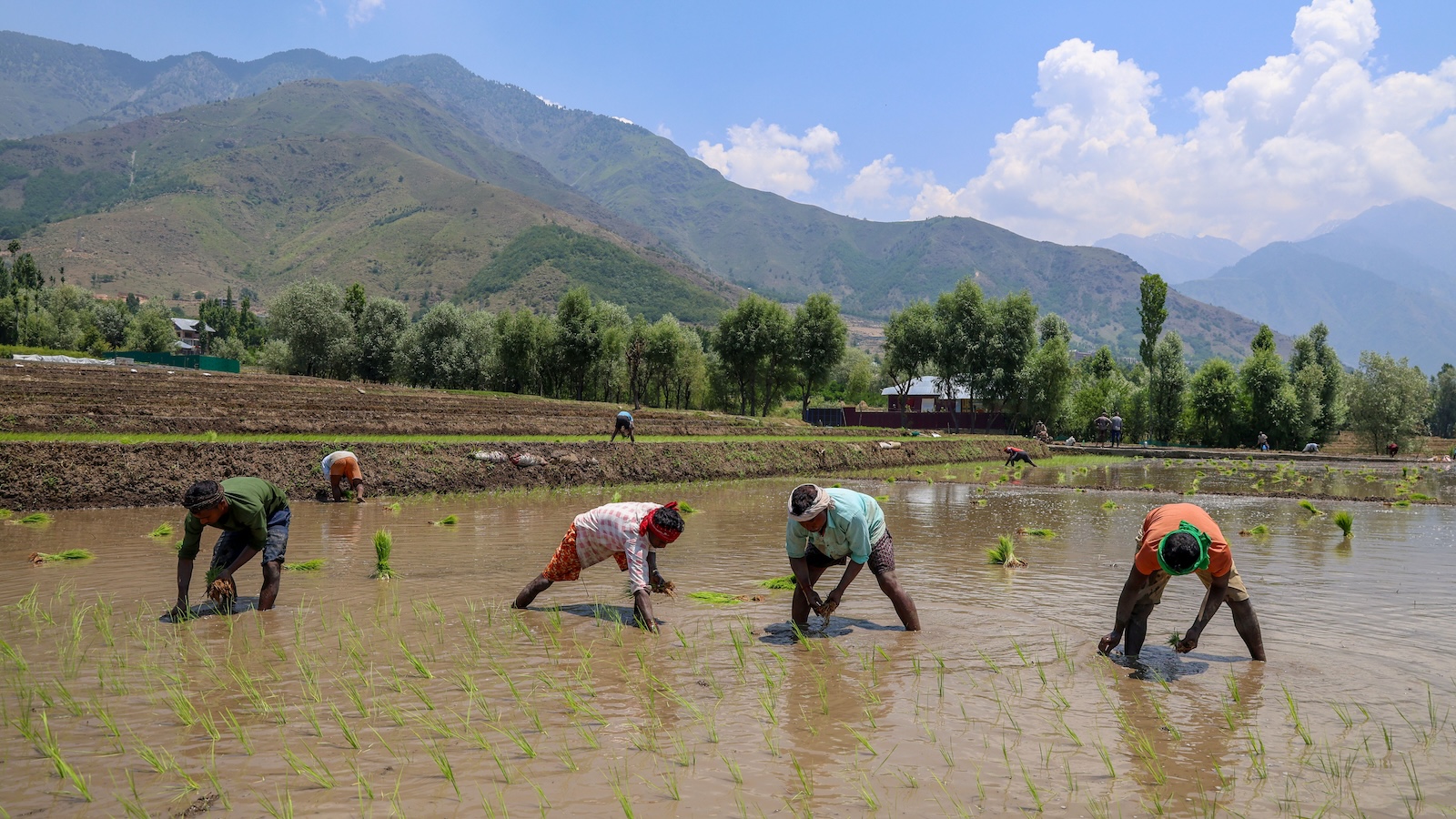
Rice production worldwide faces significant challenges this year due to the convergence of a powerful El Niño weather pattern and ongoing climate change impacts. The U.S. Department of Agriculture forecasts a global decline in rice output for the first time in more than a decade, with U.S. production expected to fall by more than half to its lowest levels in 40 years. Climate scientists have identified the current El Niño as potentially the strongest on record, a naturally occurring phenomenon that occurs roughly every two to seven years and drives extreme weather patterns globally.
El Niño functions by weakening trade winds and pushing warmer Pacific ocean water eastward, creating atmospheric waves that ripple across the globe. This results in some regions experiencing excessive rainfall while others face severe drought conditions. The intensity of these weather patterns directly impacts rice cultivation, as the crop requires precise precipitation and temperature conditions. High temperatures can substantially reduce yields, and drought proves particularly damaging to rice production and commodity markets more broadly.
While many countries have invested heavily in agricultural adaptations—including improved irrigation systems and climate-resistant rice varieties—vulnerabilities remain. India has emerged as the world’s leading rice producer by leveraging new technologies, yet some irrigation systems in the country are depleting groundwater reserves unsustainably. Additionally, recent advances in food production have created a global rice surplus, which has paradoxically reduced prices and farmer incomes despite successful harvests.
Regions heavily dependent on rice imports face the greatest risk. The Philippines, where rice comprises half of typical meals, and sub-Saharan Africa are particularly vulnerable to production shortfalls. Indonesia, a major rice producer, could experience delayed planting seasons and reduced yields if monsoon rainfall weakens as expected. Climate models have underestimated production losses by as much as fifty percent, with research indicating roughly an eight percent production decline for every degree Celsius of warming.
Experts emphasize that continued investment in climate adaptation measures remains critical for maintaining food security. However, questions persist about whether technological improvements can sustain productivity gains as climate conditions continue to intensify in coming decades.
Article Attribution | Read More at Article Source
Article summary produced by Claude AI