

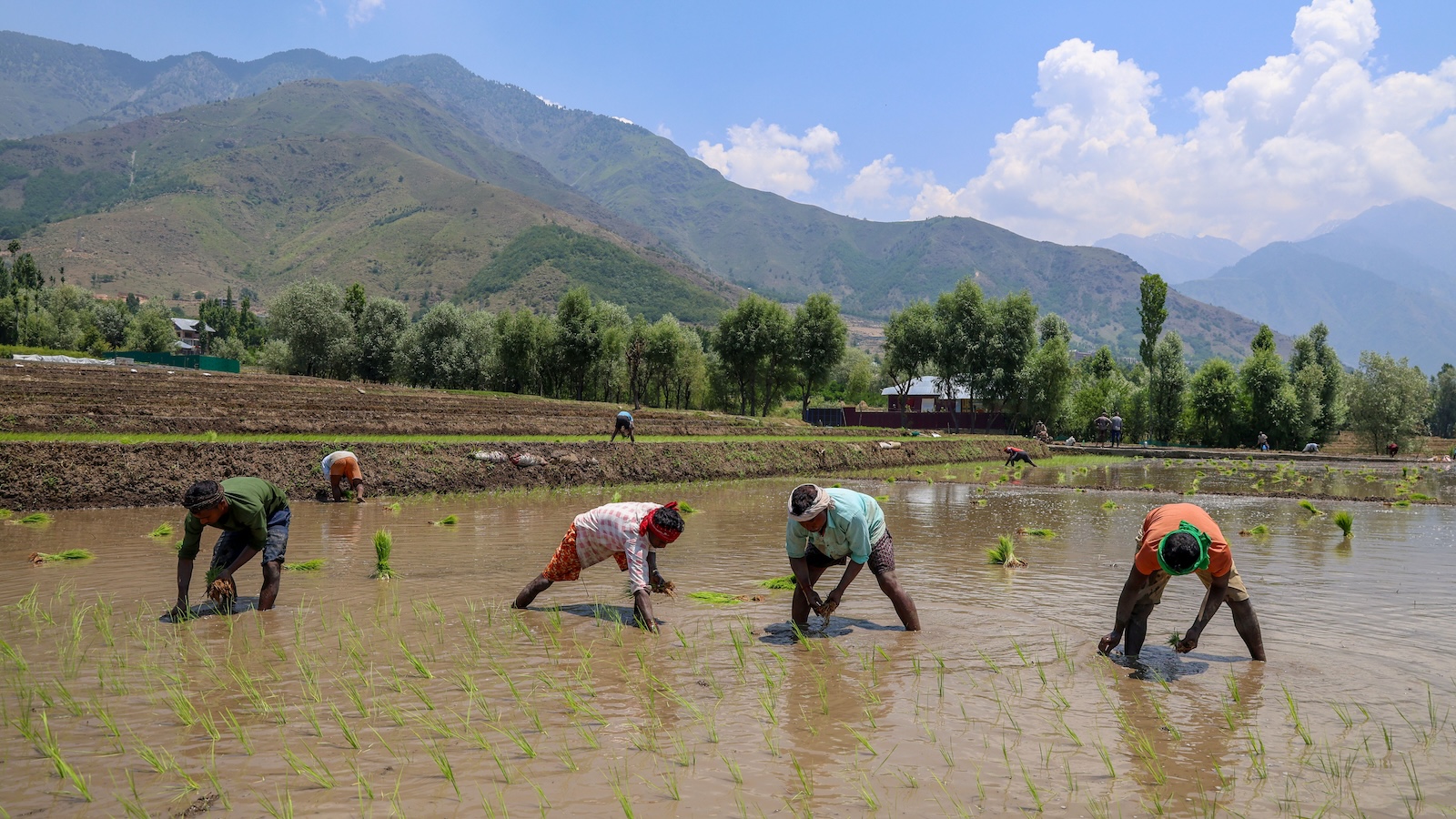
Rice production worldwide faces significant challenges in the current year as climate conditions create unfavorable growing environments. The U.S. Department of Agriculture projects a global decline in rice output for the first time in more than ten years, with U.S. production in the Mississippi Delta region expected to drop by more than half to its lowest levels in four decades. Scientists attribute these challenges to a particularly strong El Niño weather pattern combined with ongoing climate change effects.
The El Niño phenomenon, occurring naturally every two to seven years, disrupts normal weather patterns by weakening trade winds and allowing warmer Pacific Ocean water to shift eastward. This atmospheric disturbance creates cascading effects across the globe, causing some regions to experience excessive moisture while others face severe drought. Climate researchers at Columbia University have determined that the current El Niño has reached exceptionally strong levels and will continue intensifying in coming months. Temperature extremes and precipitation variability directly impact rice yields, with high heat alone capable of substantially reducing production.
Some agricultural regions have made substantial progress in climate adaptation through technological investment. Advanced irrigation systems and improved rice varieties have been deployed across multiple countries, with India emerging as the world’s leading rice producer through effective use of these innovations. However, this success has created an unusual paradox where global oversupply has driven down prices, reducing farmer incomes despite higher productivity. Additionally, some irrigation approaches in major producing regions are depleting groundwater reserves unsustainably to meet immediate needs.
Vulnerable nations face heightened food security risks from this year’s conditions. The Philippines, where rice comprises approximately half of typical diets, and sub-Saharan African nations, which depend heavily on rice imports, are particularly exposed to supply disruptions. Similar concerns exist for southern Africa, South Asia, and parts of Brazil. Indonesia, a top global producer, faces potential rainfall reductions that could delay planting seasons and further compress yields. Experts indicate that adaptation strategies and management improvements remain essential, though uncertainties persist regarding whether technological gains can maintain pace with intensifying climate pressures.
Article Attribution | Read More at Article Source
Article summary produced by Claude AI