

Southeast Asia has become particularly vulnerable to global energy market volatility following the closure of the Strait of Hormuz in February, which disrupted approximately 80 percent of oil and 90 percent of natural gas flows destined for Asian markets. The region’s heavy dependence on energy imports and limited economic capacity to absorb price shocks prompted emergency measures across multiple nations, including energy rationing, modified work schedules, and government declarations of energy crises.
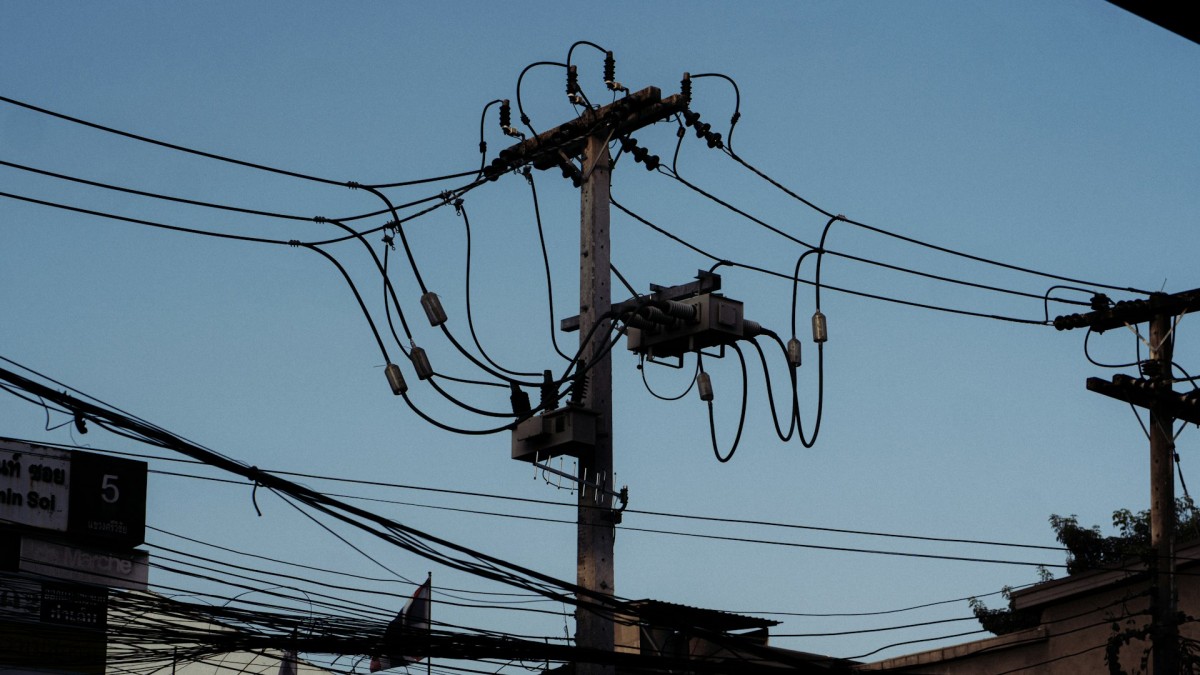
While the geopolitical disruption has accelerated interest in renewable energy development throughout Southeast Asia, infrastructure limitations present substantial obstacles to realizing a clean energy transition. According to reports from Climate Home News and consulting firms, the region’s aging and inadequate electrical grids are deterring investment in new clean power projects. Grid capacity constraints, maintenance issues, unclear power purchase agreement structures, permitting delays, and policy uncertainty have all contributed to project cancellations and stalled developments.
Data from recent research indicates that between 50 and 60 percent of renewable energy projects in Vietnam, Thailand, and Indonesia experienced cancellations or delays from 2021 to 2025. The region faces a critical timing mismatch, as electricity demand is projected to increase by more than 100 terawatt-hours by 2030 due to data centers, electric vehicles, and industrial expansion, yet grid infrastructure typically requires five to fifteen years to construct. This infrastructure lag has become a primary constraint on capital allocation for energy projects across the region, threatening both near-term energy security and long-term transition goals.
Article Attribution | Read More at Article Source
Article summary produced by Claude AI