

Recent research has identified a significant diagnostic issue affecting millions of women treated for recurrent urinary tract infections. A study examining medical records of 253 women with recurrent UTI diagnoses found that only 15% had conditions limited to the bladder or urinary tract. The remaining 85% displayed signs of hormonally driven vulvar inflammation, and 75% showed evidence of pelvic floor dysfunction. Despite these findings, these patients had been receiving repeated antibiotic treatments for conditions they may not have actually had.
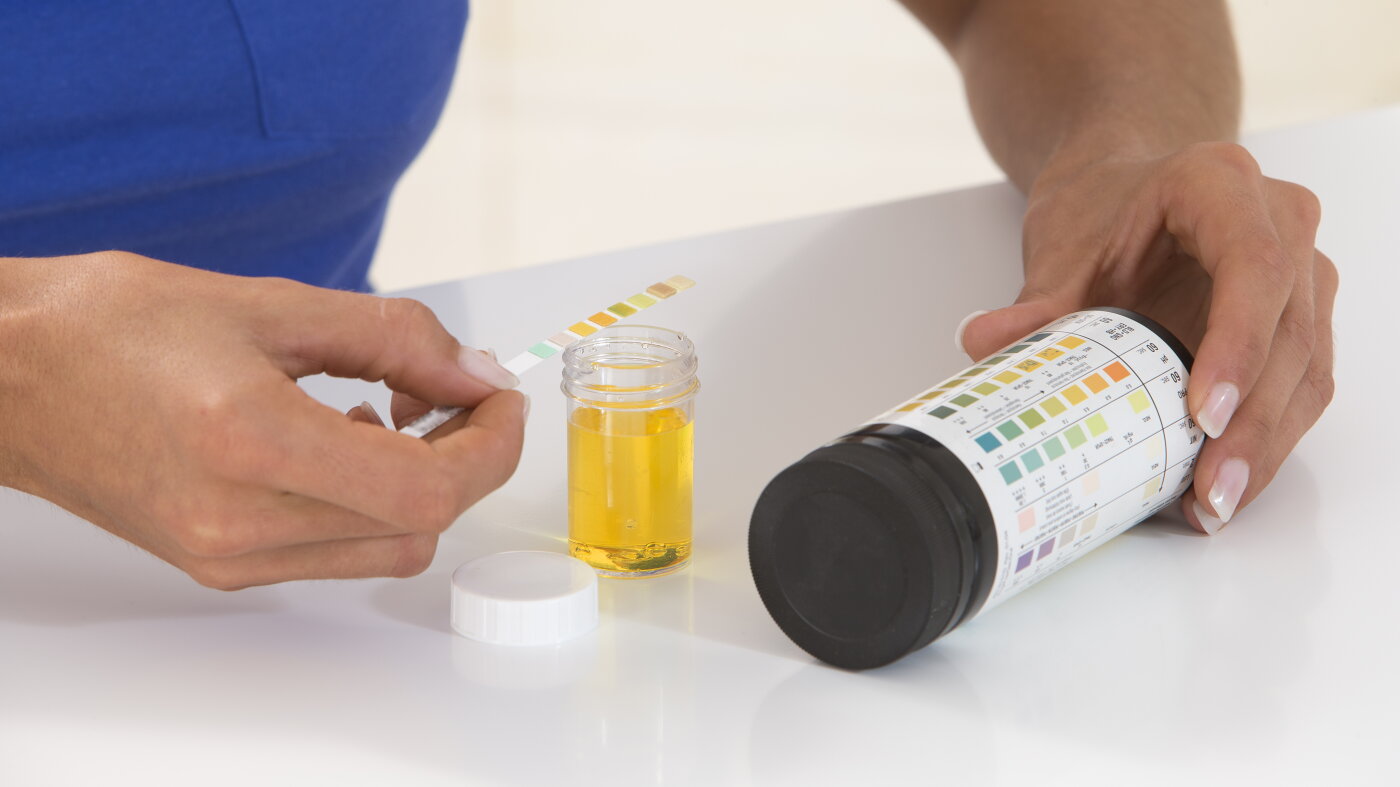
The underlying problem stems from current diagnostic practices and gaps in medical training. When patients present with classic UTI symptoms such as burning during urination, urgency, and frequency, clinicians typically order a urinalysis, which detects inflammation rather than bacterial infection. A urine culture is required to identify actual bacteria, yet many practitioners begin antibiotic treatment based on a positive urinalysis before culture results return. Additionally, proper collection technique for urine samples—requiring thorough cleaning and midstream collection—is not always clearly communicated to patients, potentially leading to contaminated samples.
Medical professionals often lack comprehensive training regarding the connection between vulvar health and urinary symptoms. Conventional teaching emphasizes treating patients with UTI-like symptoms as having UTIs until proven otherwise, leaving practitioners without alternative diagnostic pathways when symptoms persist despite antibiotic treatment. This gap in knowledge means patients whose symptoms arise from non-bacterial causes continue cycling through unnecessary antibiotic courses.
Various hormonal and pharmaceutical factors can produce UTI-like symptoms without actual infection. Hormonally mediated vestibulodynia, caused by reduced hormones affecting vulvar tissue during breastfeeding or menopause, can mimic UTI symptoms. Medications including oral birth control, acne treatments, hair loss products, and cancer therapies can similarly disrupt hormonal balance. Genitourinary syndrome of menopause affects vaginal and urinary tissues. Interestingly, these hormonal disruptions can also alter bacterial balance in the urinary tract, sometimes leading to actual bacterial infections alongside the underlying vulvar dysfunction.
Patients experiencing recurrent UTI-like symptoms are advised to ask clinicians whether their urine cultures confirmed bacterial presence and whether hormonal medications or menopausal changes might explain their symptoms, rather than automatically accepting an infection diagnosis.
Article Attribution | Read More at Article Source
Article summary produced by Claude AI