

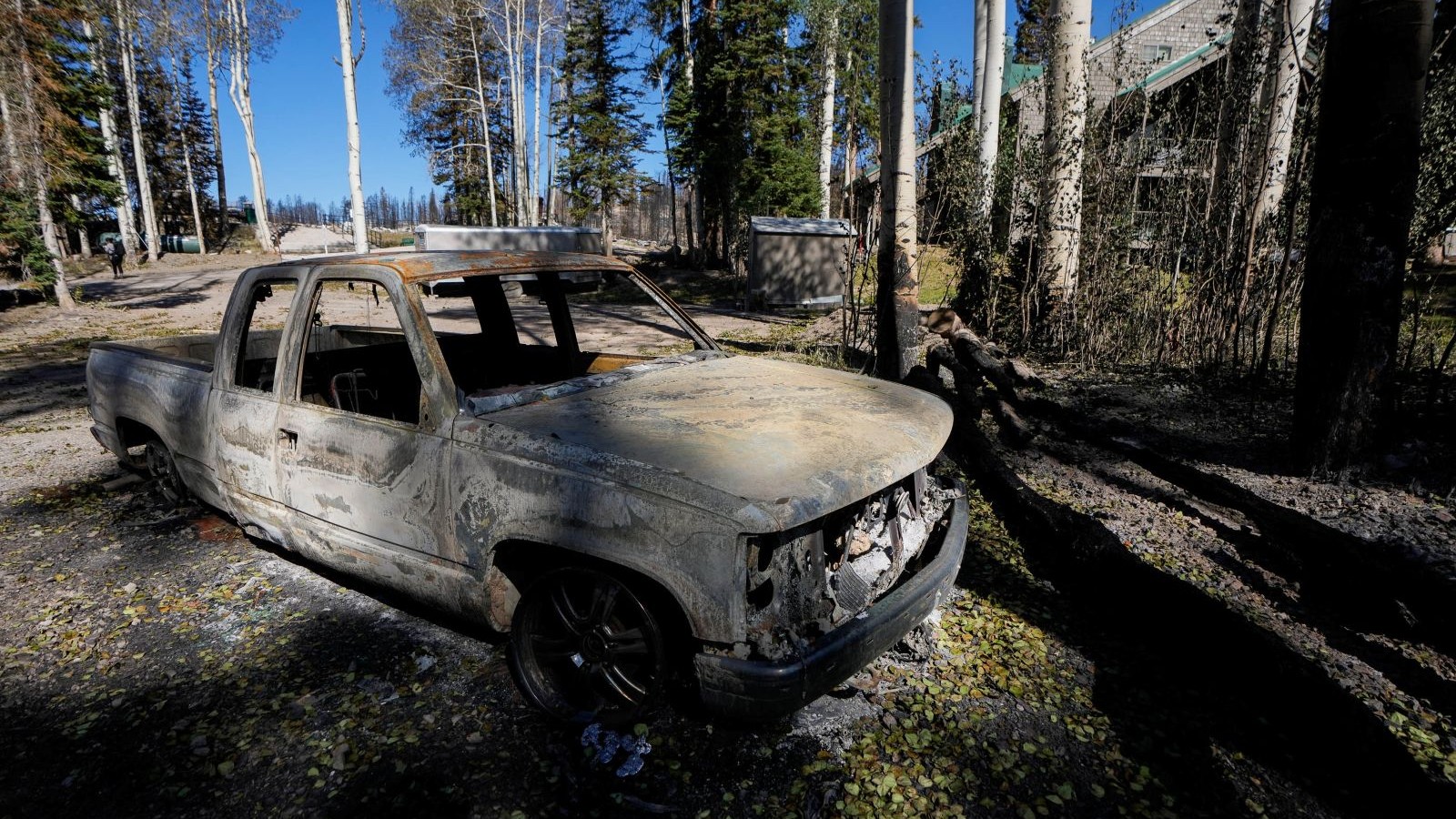
Officials from the Trump administration and congressional representatives recently toured the burn scar from Utah’s Cottonwood Fire, one of the country’s largest wildfires at over 97,000 acres. The fire began in late June and remained only 95 percent contained as of late Thursday. Lawmakers attributed the severity to inadequate forest management, suggesting that thinning operations and controlled burns could reduce the fuel available for catastrophic fires.
However, climate researchers present a more complex picture. Dominik Kulakowski, a geography professor at Clark University, argues that shifting weather patterns are undermining traditional fire prevention approaches. According to the National Oceanic and Atmospheric Administration, climate change has been the primary driver of wildfire risk in the Western United States for the past two decades. A recent study found that Utah’s severe winter snow shortage was 14 times more likely than in pre-industrial times. Modern megafires move with such speed that they can jump highways and firebreaks hundreds of yards wide, with embers traveling up to a mile.
Larissa Yocom, a fire ecology professor at Utah State University, acknowledges that extreme wildfires challenge conventional prevention methods while stopping short of declaring them the permanent new normal. Traditional fuel treatments—firebreaks, forest thinning, and prescribed burns—remain beneficial in many cases, though their effectiveness diminishes under the most extreme conditions. Kulakowski warns that intense fires now prevent forest regeneration, potentially leading to ecosystem collapse in some Western regions.
A bipartisan group of Western lawmakers has proposed the Fix Our Forests Act, which would establish “fireshed management areas” to streamline federal fuel treatment efforts. The legislation has not yet received a full Senate vote. Meanwhile, the Trump administration issued a directive this year calling for aggressive suppression of all fires, including smaller, milder burns that ecosystems evolved to sustain. Fire experts note that while ground-level prevention measures can protect individual homes, they were designed for average fires rather than the extreme events now becoming more common as climate conditions continue warming and drying trends.
Article Attribution | Read More at Article Source
Article summary produced by Claude AI