

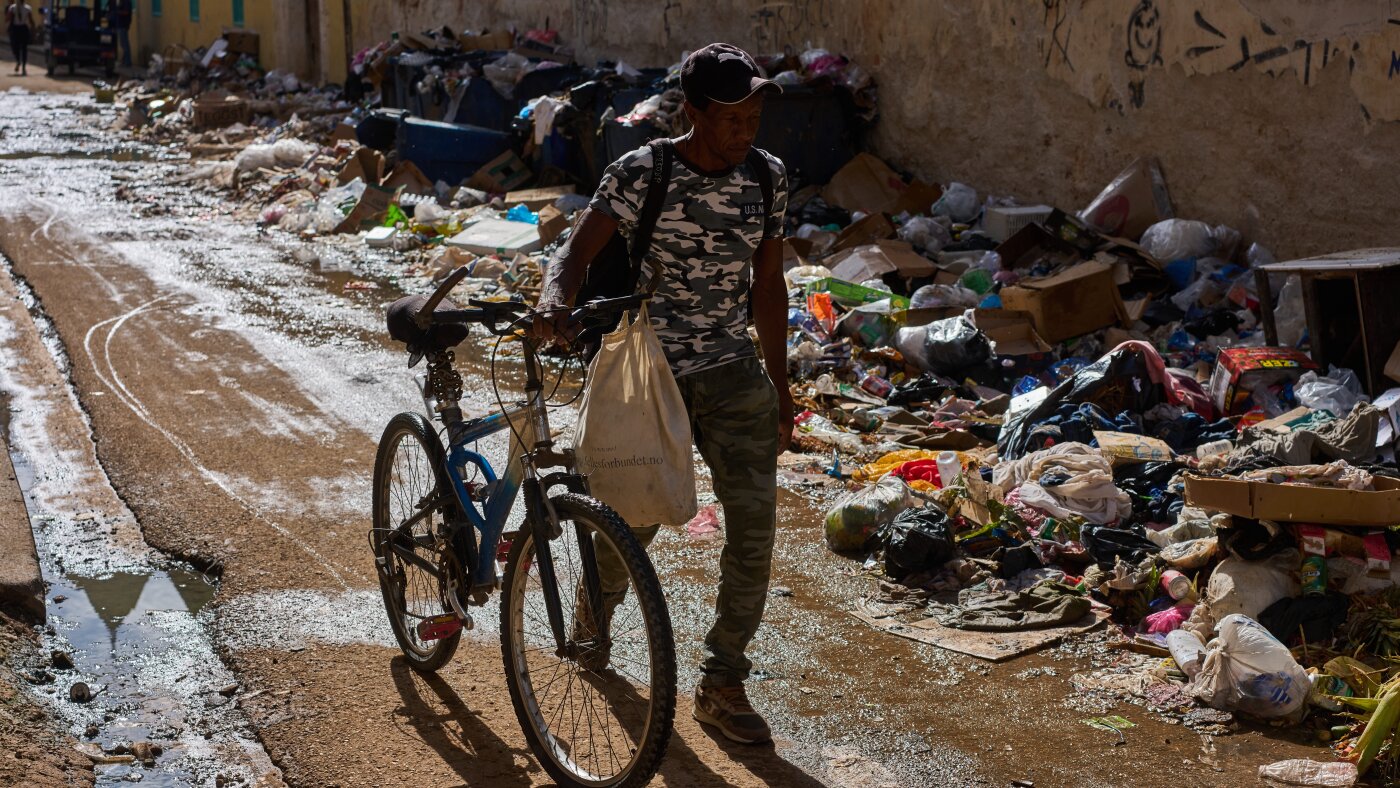
Cubans are increasingly seeking asylum in Brazil after the Trump administration tightened restrictions on migration to the United States. Brazilian government data shows that more than 41,000 Cubans filed asylum applications in the country last year, marking a record number and contributing to historic highs in overall asylum applications within Brazil.
Many Cuban migrants are drawn to Brazil because the country offers asylum-seekers the right to work and access to government social services. The typical route involves Cubans flying to nearby Guyana, which has visa-free entry policies for Cuban citizens, before crossing into Brazil through the Amazon region. This represents a significant reversal from recent migration patterns, when migrants predominantly traveled northward through the region. One Cuban migrant cited “freedom, electricity, food, and a decent wage” as factors that attracted him to Brazil.
Brazil has maintained a relatively open approach to asylum-seekers at a time when the United States, European nations, and other Latin American countries have implemented stricter immigration policies. According to government estimates, approximately 1% of Brazil’s population was born outside the country, and anti-migrant sentiment has not emerged as a major political force. A United Nations migrant rights expert praised Brazil’s approach during a March visit, characterizing it as a leading example in Latin America for its rights-based and non-criminalizing stance on human mobility.
However, Brazil has made some policy adjustments. Since 2024, the country has restricted asylum applications from certain individuals arriving at São Paulo’s main international airport, citing concerns about migrants using Brazil as a transit point to eventually reach the United States and about combating human trafficking. Rights advocates and former Brazilian officials have indicated that U.S. pressure influenced this decision.
For Cubans currently in Brazil, asylum applications provide temporary legal protection and work authorization, though final decisions can take years. Rights groups have called on Brazil’s government to issue broad residency permission for Cuban migrants similar to arrangements previously made for Venezuelans, though the justice ministry has not directly committed to such measures.
Article Attribution | Read More at Article Source
Article summary produced by Claude AI