

Zambia has faced significant electricity generation challenges in recent years after shifting its grid toward renewable energy, primarily hydroelectric power. Extended droughts led to insufficient water levels at hydroelectric facilities, resulting in severe shortages that caused loadshedding lasting up to 20 hours daily at peak crisis levels. The drought also affected agricultural output and livestock operations across the southern regions.
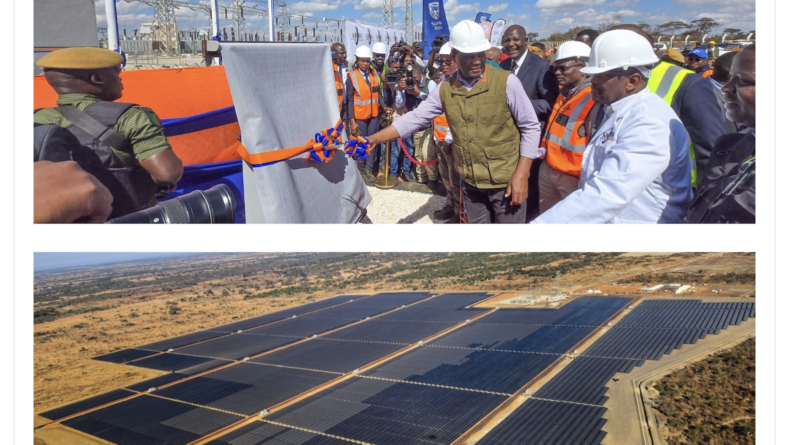
In response to these constraints, the government has prioritized rapid deployment of solar energy infrastructure to diversify the electricity supply and eliminate dependence on hydropower alone. Over the past three years, working with local and international partners, Zambia has installed 500 megawatts of new utility-scale solar capacity. Notable projects include the Chisamba solar facility, which underwent recent expansion to reach 200 megawatts. The private sector has contributed substantially to this expansion effort.
The government aims to reach 1,000 megawatts of solar generation capacity by the end of this year. These additions form part of a broader strategy to increase total electricity generation capacity from the current 4.5 gigawatts to 10 gigawatts by 2031. The effort aims to eliminate loadshedding, support economic expansion, and enable industrial development. Officials indicate that the energy transition is progressing toward moving the country from an electricity deficit position toward surplus capacity, supported by a diversified generation portfolio across multiple technologies and projects in development phases.
Article Attribution | Read More at Article Source
Article summary produced by Claude AI