

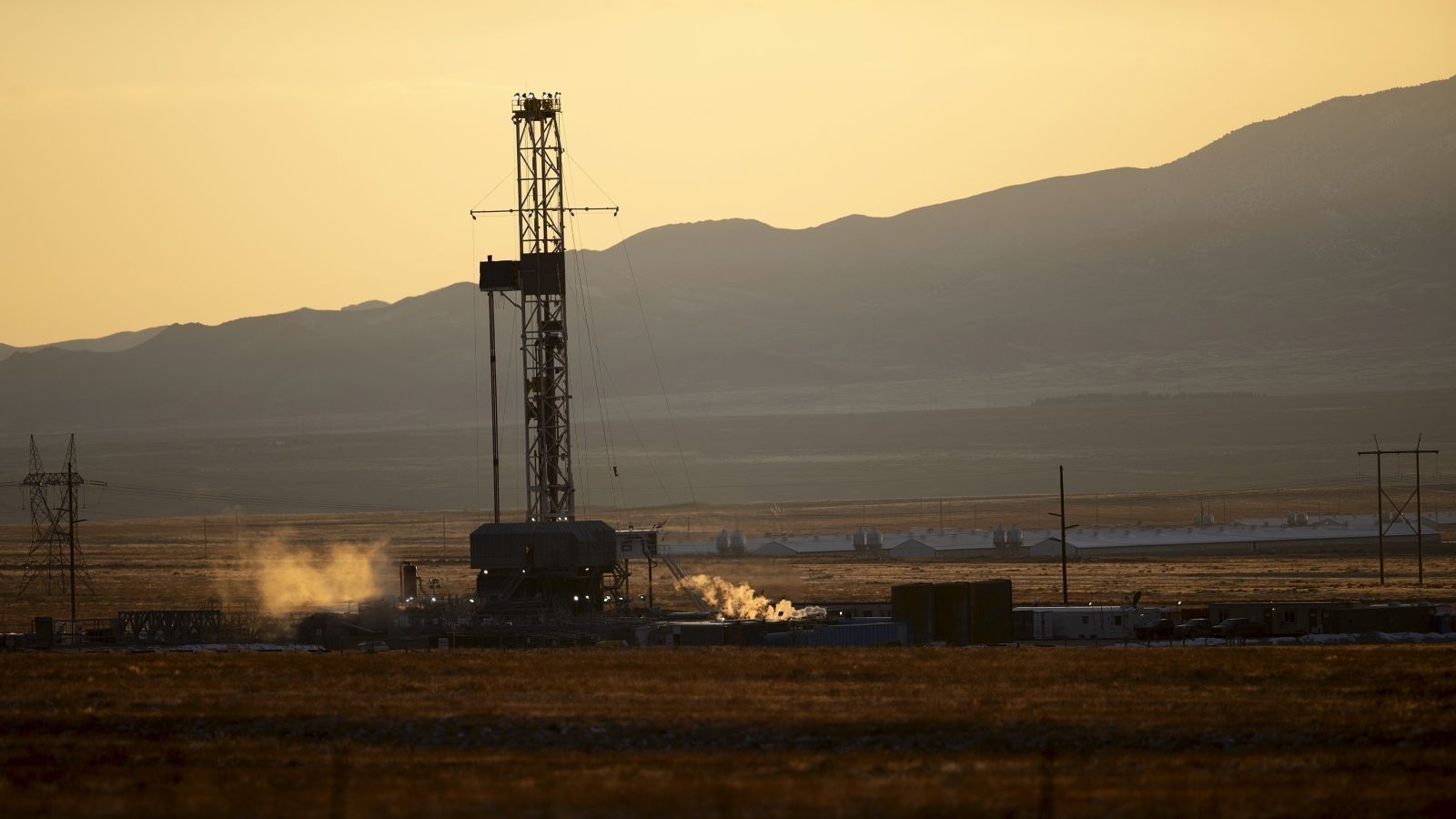
A boom in geothermal energy development is underway across the Mountain West, driven by new drilling technologies and growing demand from data center operators seeking reliable clean power. Tech companies including Meta and Google have signed agreements with geothermal start-ups, with Google committing to purchase 396 megawatts from Fervo’s Cape Station facility in southwest Utah, sufficient to serve approximately 430,000 households. The federal government also received record per-acre bids from developers seeking geothermal leases on public lands in the region earlier this year.
Geothermal power offers consistent around-the-clock generation, distinguishing it from intermittent renewable sources like solar and wind, which appeals to data center operators with climate commitments. According to experts, tech companies’ steady power requirements represent a major factor driving geothermal expansion, as data centers can alternatively rely on natural gas turbines to meet their electricity needs. New technologies borrowed from the oil and gas sector, combined with California’s renewable energy mandates, have further accelerated development.
The expansion presents a significant challenge: most emerging geothermal methods require substantial water inputs in arid Western states experiencing chronic water scarcity. Traditional geothermal relies on naturally occurring underground water reserves found only in limited geographic areas. Next-generation approaches attempt to overcome this limitation by introducing water to hot rock formations, but water consumption varies considerably by technology type. XGS Energy is developing closed-loop systems that recycle water continuously through underground pipes, minimizing losses, though Stanford geothermal researchers question whether this approach can economically produce the large power volumes data centers require.
Enhanced geothermal, utilizing oil-and-gas-style fracking techniques, represents a more widely adopted alternative that creates artificial reservoirs for water circulation. However, this method inevitably loses some water underground, with Fervo’s Nevada project reporting 30 percent water loss, though the company projects significantly lower losses at its Utah facility. Even with improved efficiency, large-scale geothermal deployment could demand substantial water resources in a region where supplies are already constrained by competing demands.
Article Attribution | Read More at Article Source
Article summary produced by Claude AI