

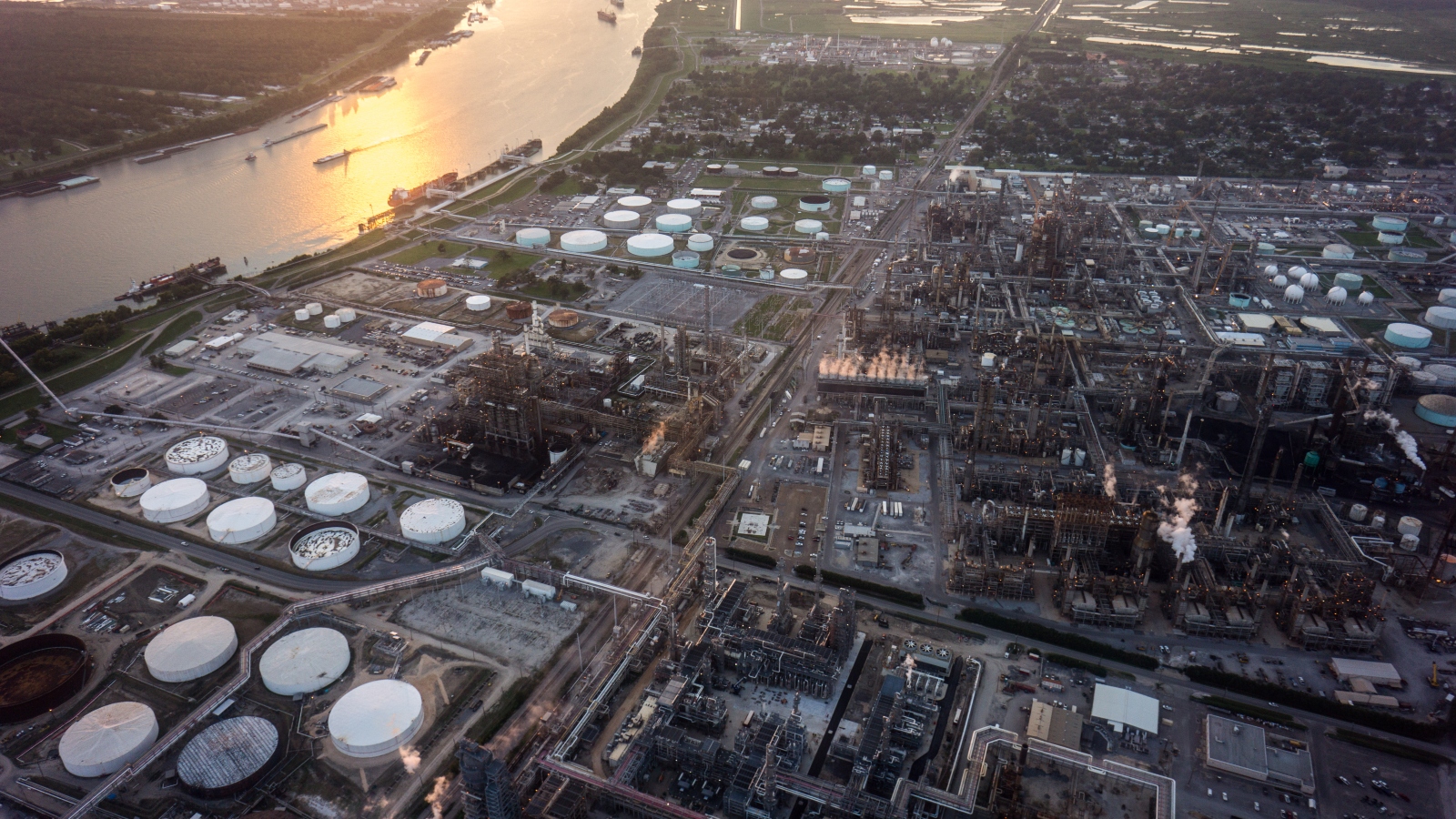
A major environmental regulation intended to significantly reduce toxic air pollution from petrochemical facilities is being unraveled by the Trump administration following its implementation in April 2024. The rule, known as the HON rule or Hazardous Organic National Emission Standards for Hazardous Air Pollutants, was finalized by the Biden administration’s Environmental Protection Agency as part of a comprehensive effort to strengthen Clean Air Act protections for hazardous chemicals including ethylene oxide, chloroprene, benzene, and vinyl chloride.
The regulation applied to approximately 220 large petrochemical plants nationwide, with nearly 60 percent located in Texas and Louisiana. According to EPA estimates, the rule would have prevented 6,200 tons of toxic air pollution annually and reduced emissions of ethylene oxide and chloroprene by nearly 80 percent. In communities near affected plants, the agency projected the regulation would reduce cancer risk from air toxics by 96 percent. The rule also required facilities to install fenceline air monitors and closed a previous exemption that had allowed plants to operate without restrictions during startup and shutdown operations.
Since Trump’s administration took office, the EPA has granted temporary exemptions to more than 50 petrochemical facilities, with an additional 20 exemptions issued this July. The agency indicated it would propose a rewritten version of the rule in the fall that is expected to substantially reduce protections. Trump’s exemption proclamations cited provisions allowing temporary relief if rules are deemed in the national security interest and if required compliance technology is unavailable. Environmental lawyers have noted this rationale for exemptions had not previously been invoked under the Clean Air Act.
The toxic chemicals covered by the HON rule are associated with multiple health risks including breast cancer, liver cancer, leukemia, lymphoma, and reproductive problems. Environmental health experts note these compounds have been known to pose hazards for decades. Communities in Louisiana’s industrial corridor between New Orleans and Baton Rouge, known as Cancer Alley, have experienced disproportionately high cancer rates from air pollution and have been among the primary advocates for stronger emissions regulations.
Article Attribution | Read More at Article Source
Article summary produced by Claude AI