

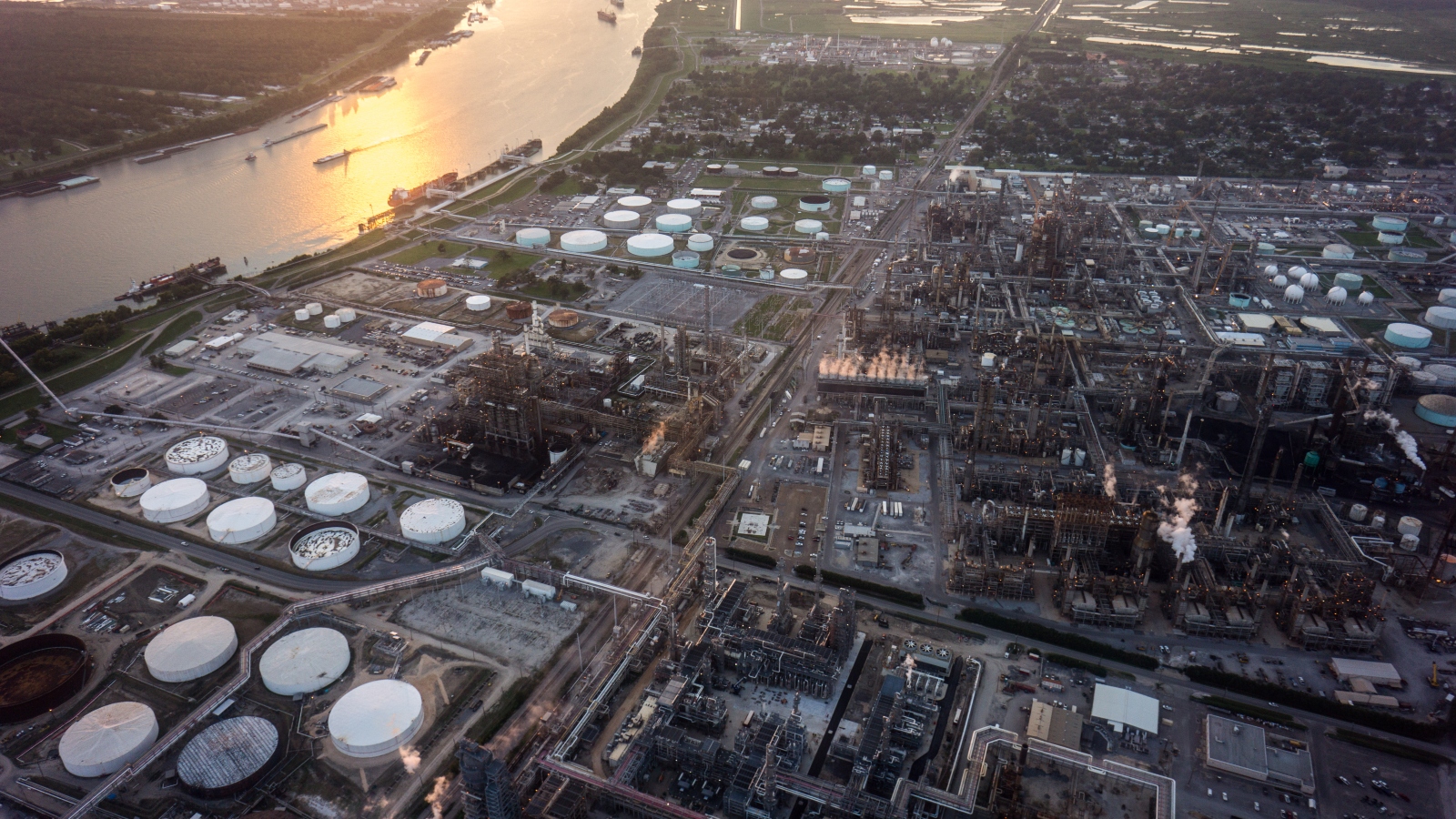
In April 2024, the Biden administration’s EPA finalized the HON rule, a major regulation designed to reduce hazardous air pollutant emissions from petrochemical facilities. The regulation was celebrated by residents of Louisiana’s Cancer Alley region, where petrochemical plants cluster and cancer risk from air pollution is significantly elevated. The HON rule required emissions reductions of toxic chemicals including ethylene oxide, chloroprene, benzene, vinyl chloride, and 1,3-butadiene across approximately 220 large petrochemical plants nationwide.
Shortly after entering his second term, the Trump administration began scaling back the protections. The EPA granted temporary exemptions to more than 50 petrochemical facilities last year, followed by 20 additional exemptions this July. The agency indicated it would propose a rewrite of the regulation this fall, with observers expecting the revised version to significantly weaken existing protections. The exemptions were issued under a Clean Air Act provision permitting temporary exemptions based on national security interests and technological unavailability, a legal mechanism environmental lawyers note has not previously been employed in this manner.
The HON rule was among nine hazardous air pollutant regulations issued during the Biden administration targeting various industrial sectors. EPA estimates indicated the rule would prevent 6,200 tons of toxic air pollution annually and reduce ethylene oxide and chloroprene emissions by approximately 80 percent at regulated facilities. The regulation also closed a loophole that had previously exempted plants from emissions requirements during startup, shutdown, and maintenance operations.
Nearly 60 percent of the affected facilities are located in Texas and Louisiana, regions containing the nation’s largest petrochemical production zones. The remaining facilities operate across multiple states including Tennessee, Kentucky, West Virginia, Ohio, Illinois, and Alabama. Communities near regulated plants, particularly in areas with disproportionately high concentrations of Black residents, have experienced elevated health risks from air pollution exposure.
Article Attribution | Read More at Article Source
Article summary produced by Claude AI