

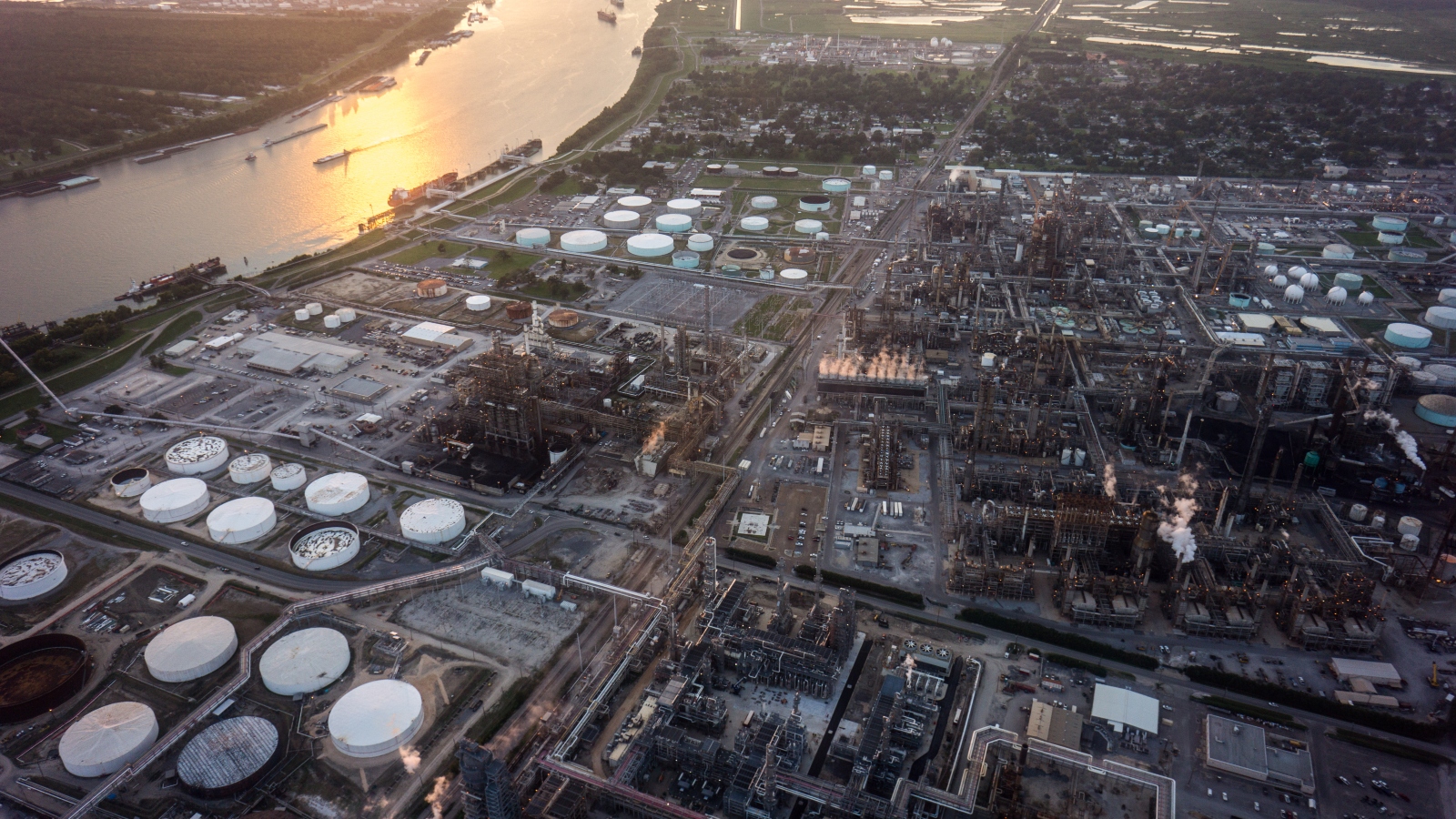
A regulation aimed at significantly reducing hazardous chemical emissions from petrochemical facilities is being systematically dismantled by the Trump administration, marking a reversal of environmental protections established under the previous administration.
The regulation, known as the HON rule, was finalized in April 2024 and represented a major effort to strengthen Clean Air Act restrictions on toxic pollutants including ethylene oxide, chloroprene, benzene, and vinyl chloride at approximately 220 large petrochemical plants nationwide. The rule required facilities to upgrade pollution control equipment, install air monitors at plant boundaries, and eliminate exemptions that previously allowed plants to avoid emissions requirements during startup and shutdown operations. According to EPA estimates, the regulation would reduce toxic air pollution by 6,200 tons annually and decrease ethylene oxide and chloroprene emissions by nearly 80 percent, while reducing cancer risk from air toxics by 96 percent in nearby communities.
Shortly after Trump’s second term began, his administration began reversing course, granting two-year exemptions to more than 50 petrochemical facilities and issuing 20 additional temporary exemptions in July. The EPA announced it would propose a rewrite of the regulation, widely expected to significantly weaken its protections. Trump’s exemption proclamations invoked a rarely used Clean Air Act provision that allows temporary exemptions based on national security interests and claimed unavailability of compliance technology.
The rule had been celebrated by environmental justice communities, particularly those in Louisiana’s industrial corridor between New Orleans and Baton Rouge, an area with the nation’s highest cancer risk from air pollution. Communities in this region, particularly in St. John the Baptist Parish where exposure levels are nearly 50 times the national average, face disproportionate health impacts, with a high percentage of those exposed being Black residents. Scientists emphasize that the chemicals regulated by the HON rule are well-documented carcinogens linked to breast cancer, liver cancer, leukemia, and reproductive problems.
The HON rule was one of nine air toxics regulations issued by the Biden administration targeting various industrial sectors. All nine are being or have been rescinded, revised, or reconsidered under the Trump administration’s policy shift.
Article Attribution | Read More at Article Source
Article summary produced by Claude AI