

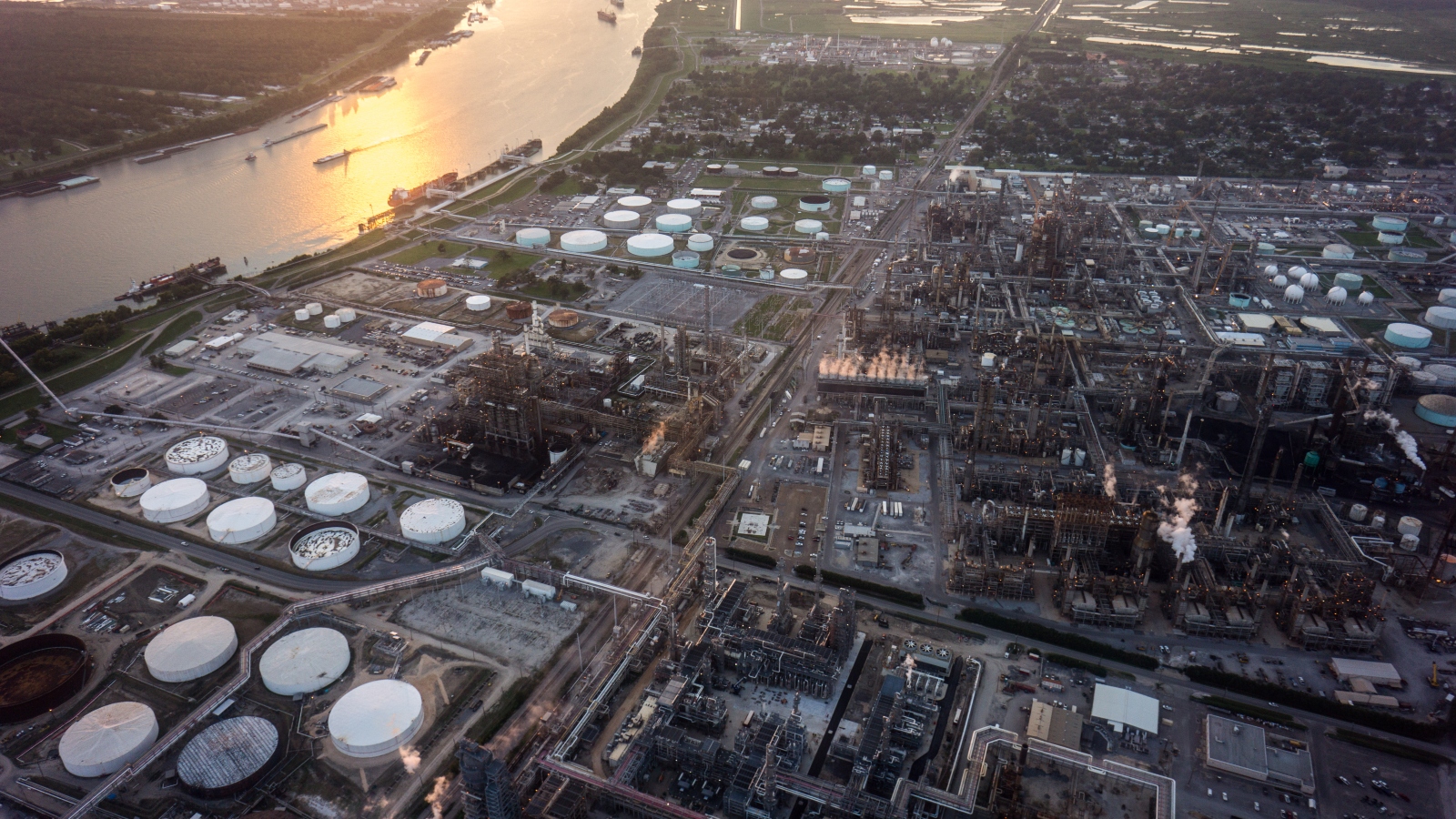
A significant environmental protection rule aimed at reducing hazardous air pollution from petrochemical facilities is being dismantled under the Trump administration. The regulation, formally known as the HON rule (Hazardous Organic National Emission Standards for Hazardous Air Pollutants), was finalized in April 2024 after years of advocacy by communities living near industrial plants, particularly in Louisiana’s Cancer Alley region between New Orleans and Baton Rouge.
The HON rule required more than 200 petrochemical plants to upgrade pollution control equipment and reduce emissions of hazardous chemicals including ethylene oxide, chloroprene, benzene, vinyl chloride, and 1,3-butadiene. The regulation also mandated air monitoring systems at plant perimeters and closed a loophole that had previously allowed facilities to operate without emissions controls during startup and shutdown periods. According to EPA projections, the rule was expected to prevent 6,200 tons of toxic air pollution annually and reduce cancer risks from air toxics by 96 percent in affected communities.
Since taking office, the Trump administration has begun reversing the rule through temporary exemptions. Initial exemptions were granted to more than 50 petrochemical facilities, followed by 20 additional temporary exemptions in July. The EPA has announced plans to propose a rewrite of the regulation this fall, which is expected to substantially weaken its protections. Trump administration proclamations cited national security interests and claimed unavailable technology as justification for the exemptions, invoking a Clean Air Act provision that legal experts say has not previously been used in this manner.
The HON rule was among nine air toxics regulations implemented during the Biden administration targeting various industries including steelmaking, tire manufacturing, and coal-fired power plants. All nine rules are now being rescinded, revised, or reconsidered. Communities dependent on the rule, particularly those with disproportionately high rates of air pollution-related illness, expressed disappointment with its reversal. The chemicals covered by the regulation are documented carcinogens linked to breast cancer, liver cancer, leukemia, and reproductive problems, according to public health researchers.
Article Attribution | Read More at Article Source
Article summary produced by Claude AI