

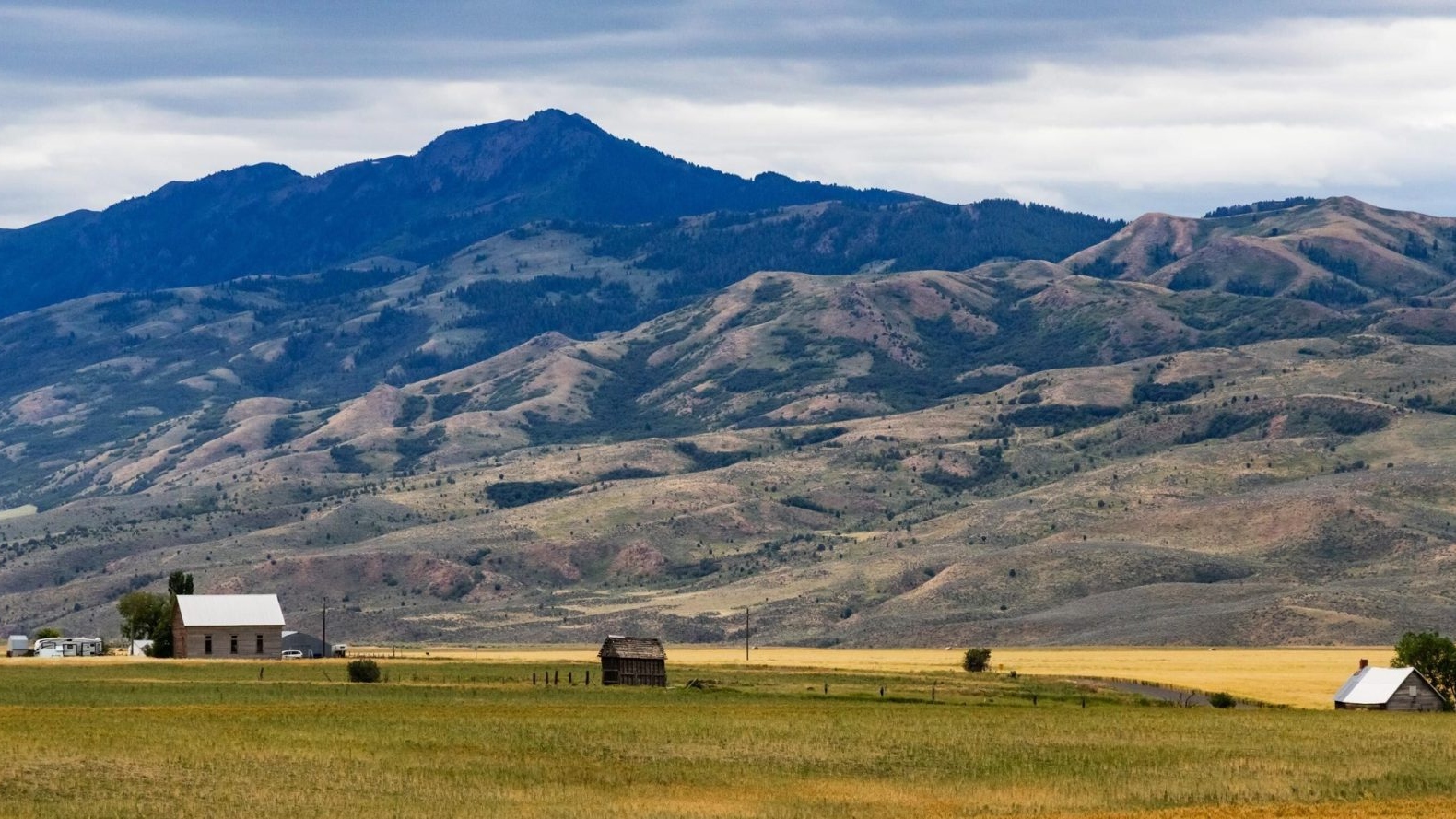
Bannock County, Idaho implemented a ban on utility-scale solar and wind development in March 2024, but county leadership is now moving to reverse that decision. Commission Chair Jeff Hough, who voted against the original ordinance, has become the primary advocate for allowing renewable energy projects in the county. Later this year, commissioners are scheduled to vote on new language that would permit solar, wind, and nuclear energy development.
The original moratorium stemmed from concerns about energy developers operating without adequate local oversight. In 2023, Hough attended a conference where the Lava Ridge Wind Project generated significant discussion among county leaders worried about developers exerting undue influence on their communities. Upon learning that renewable companies were approaching local landowners, Hough spearheaded a six-month moratorium to allow time for regulatory development. However, his perspective shifted, and he now advocates for reversing the restrictions.
Bannock County’s location makes it strategically valuable for energy infrastructure. The area sits near the Populus substation, a critical grid connection serving Idaho, Utah, Wyoming, and the Pacific Northwest. Constructing power plants near existing substations reduces costs and potentially lowers utility bills for customers. Idaho Power, the state’s largest utility, projects electricity demand will increase approximately 26 percent by 2030, creating urgency for new generation capacity.
Hough sees renewable development as an economic opportunity for a rural region facing demographic and agricultural challenges. Bannock County’s population growth lags behind the state average, and drought conditions have strained farming operations. Neighboring counties with renewable projects generated substantial tax revenue in 2024, with Power County receiving $909,000 and Bingham County receiving $639,000. Hough frames renewable development as part of helping rural communities adapt to economic transitions.
Opposition remains significant, particularly in southern portions of the county. While some residents support leasing land to solar developers or defend property rights to do so, others view such arrangements as betrayal of agricultural heritage. Many skeptics prefer nuclear energy alternatives. The debate reflects broader national trends—in 2025, nearly one in four U.S. counties had restrictions on clean energy development, up from 15 percent in 2023.
Article Attribution | Read More at Article Source
Article summary produced by Claude AI