

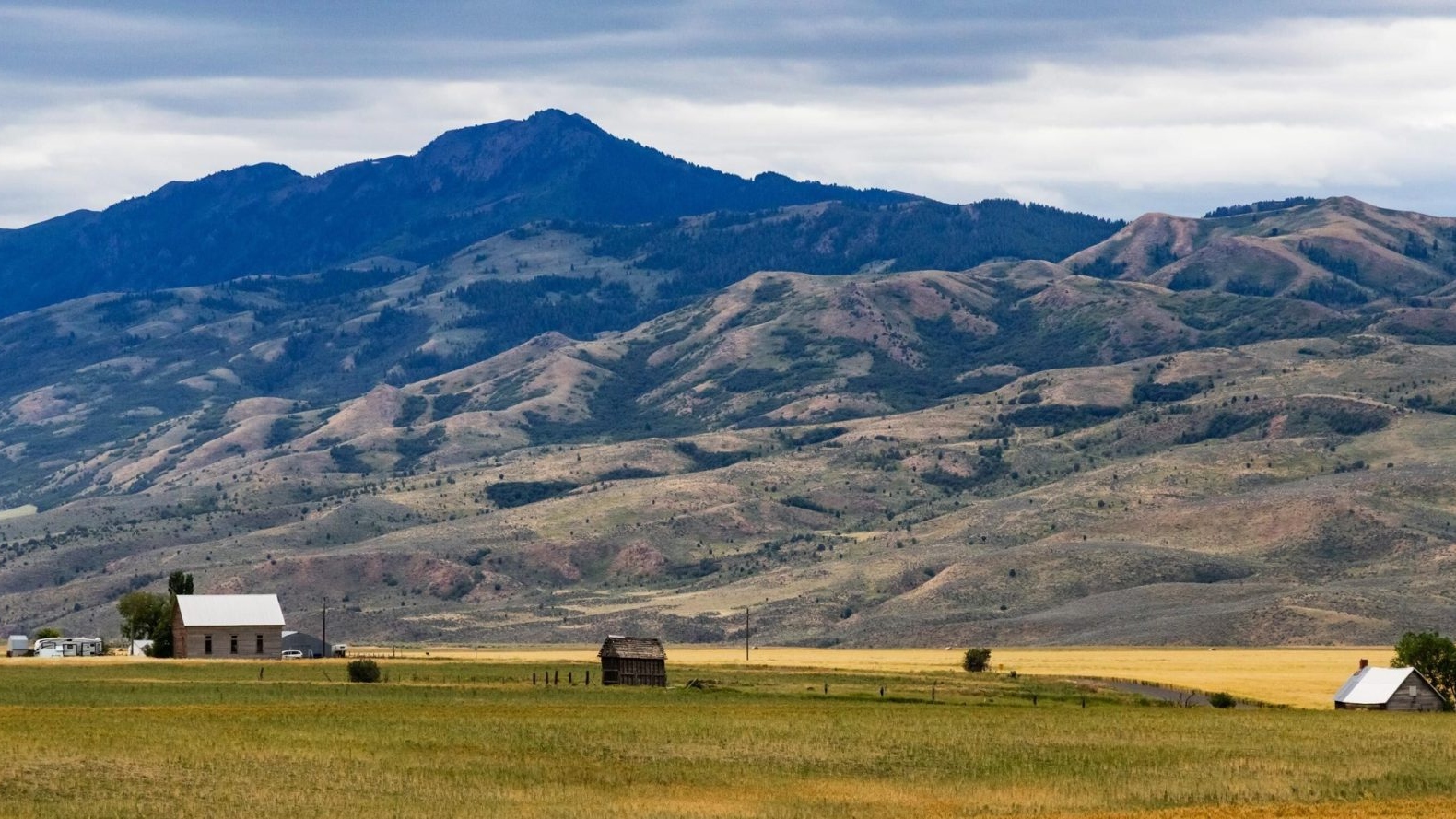
Bannock County, Idaho, implemented a ban on utility-scale solar and wind development in March 2024 following a close county commission vote. The prohibition emerged from concerns about clean energy developers operating without adequate local oversight, concerns that gained traction after discussions about the Lava Ridge Wind Project at a state conference of county officials.
However, the political landscape has shifted. Jeff Hough, who originally spearheaded the moratorium that led to the ban, has since become chair of the county commission and now advocates for reversing the ordinance. Later this fall, the commission is expected to vote on new language that would permit renewable energy development alongside nuclear projects in the county. The shift reflects changing calculations about the economic and energy needs of the region.
Bannock County sits in a strategically important location with the Populus substation, a key grid junction serving Idaho, Utah, Wyoming, and the Pacific Northwest. Proximity to such infrastructure reduces development costs and has attracted significant interest from renewable energy companies. The county has experienced slower population growth than the state as a whole, and Hough views renewable development as a potential economic driver that could generate tax revenue and create opportunities for rural communities facing declining services and agricultural pressures.
Neighboring counties have already capitalized on this opportunity, with Power and Bingham counties generating substantial tax revenue from renewable projects. Idaho’s largest utility projects electricity demand will grow significantly by 2030, intensifying the need for new generation capacity. At the national level, clean energy development faces headwinds, with nearly one-quarter of U.S. counties maintaining some form of restriction on renewable projects as of 2025, though rural areas comprise the majority of counties with bans.
Locally, opinion remains divided. Some residents support renewable leases or their neighbors’ right to pursue them, while others express skepticism about renewables and view land leasing to developers as compromising community interests, though some of the latter group supports nuclear development. The Bannock County case illustrates broader tensions in rural America over balancing economic development, land use, and energy policy.
Article Attribution | Read More at Article Source
Article summary produced by Claude AI