

During remarks at a midterm Republican National Convention gathering earlier this month, President Trump highlighted deals negotiated with pharmaceutical companies as a key accomplishment of his second term, claiming they have reduced U.S. prescription drug prices to the lowest levels globally compared to other wealthy nations.
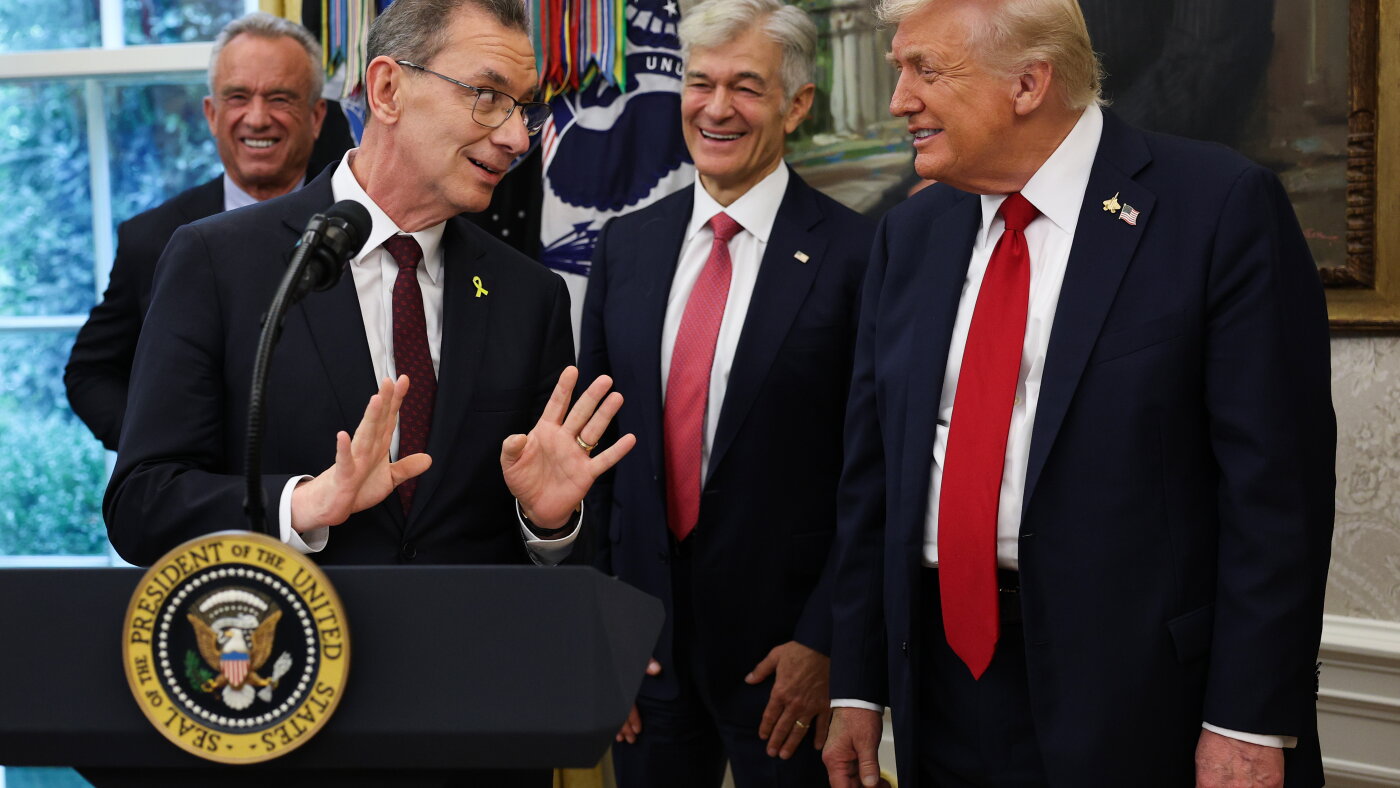
Last year on Sept. 30, Trump and his health officials announced a major agreement with Pfizer at the White House, which the administration said would be the first in a series of negotiations. The White House later indicated that 26 pharmaceutical companies signed agreements under what Trump termed “most favored nation” deals. The initiative included TrumpRx, a consumer website for finding drug discounts, though reporting indicated that most consumers receive better prices through standard insurance copays.
A central component of the announcement focused on Medicaid, which covers 66 million Americans. Trump stated that Pfizer would offer all prescription medications to Medicaid at most-favored-nation prices, and predicted other companies would follow suit. Medicaid’s spending on prescription drugs grew by 46% between 2019 and 2024, reaching $46 billion that year according to the nonpartisan research group KFF.
However, implementation has faced significant obstacles. The program relies on voluntary participation from both drug manufacturers and individual states, creating uncertainty about which drugs will be discounted and how many patients will benefit. The administration has declined to make the pharmaceutical agreements public. When contacted, major drug companies either declined to confirm all their medications would receive discounts or specified only certain products would participate. Some cited confidentiality regarding agreement terms. The Centers for Medicare and Medicaid could not provide details on discount scope. Academic researchers expressed concern that companies might selectively include drugs already receiving competitive pricing, limiting genuine savings. Additionally, the pilot program requires individual state enrollment, and original signup deadlines have been repeatedly postponed, raising questions about implementation momentum.
Article Attribution | Read More at Article Source
Article summary produced by Claude AI