

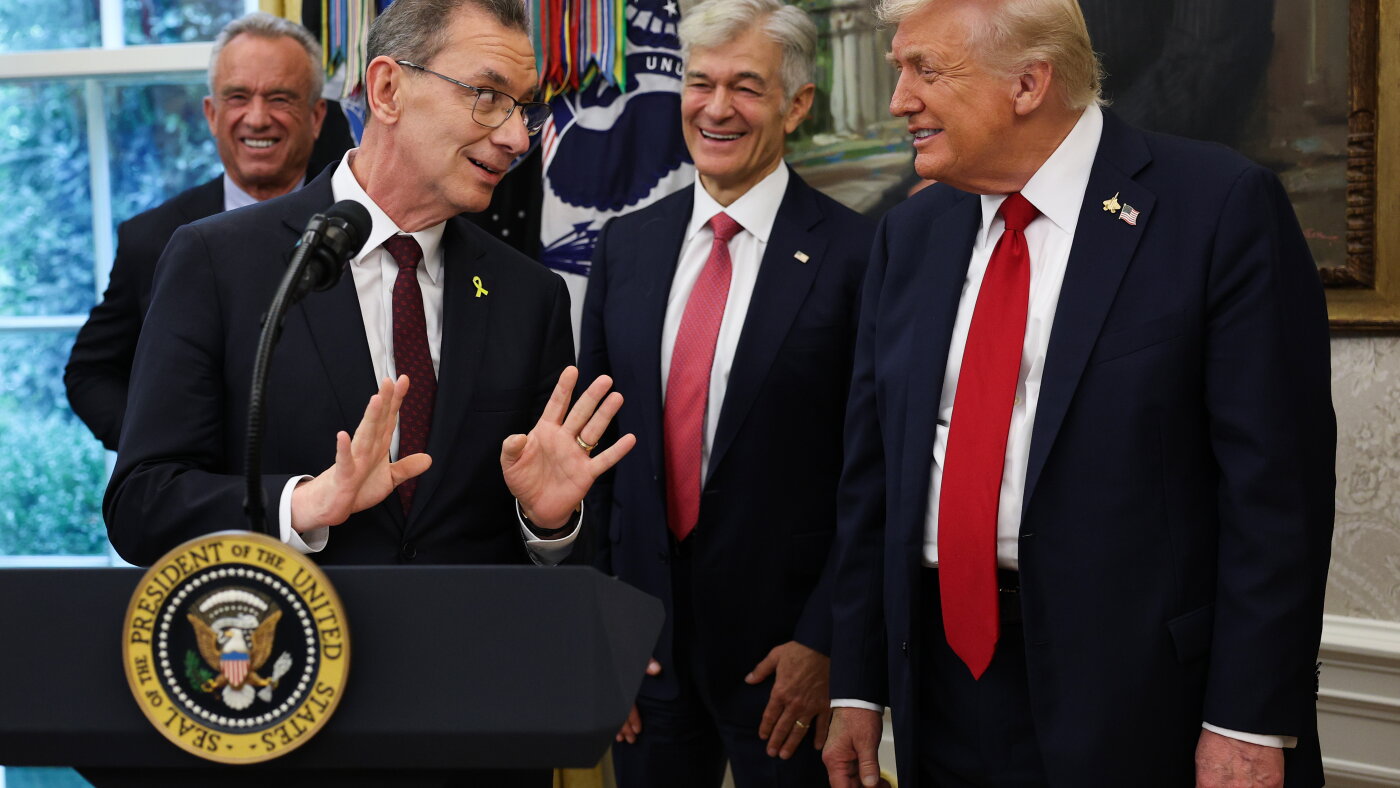
President Trump announced a major agreement with Pfizer on September 30, 2025, to reduce prescription drug prices, characterizing it as a landmark achievement of his second term. The administration stated that 26 pharmaceutical companies eventually signed similar agreements, though the deals have not been made public. Trump framed these arrangements as “most favored nation” agreements intended to align U.S. drug prices with those in other wealthy nations.
A central component of these announcements involved establishing TrumpRx, a website offering consumers discounts on selected medications outside their insurance coverage. Additionally, Trump pledged that participating companies would offer all their prescription medications to Medicaid at the most favored nation pricing. This element targeted support for the 66 million Americans covered by Medicaid, where prescription drug spending grew 46 percent between 2019 and 2024, reaching $46 billion annually according to the nonpartisan KFF research group.
However, implementation of the Medicaid component has encountered significant obstacles. A year after the initial announcement, the program remains under development with persistent delays and lack of transparency. The initiative operates as a voluntary pilot requiring participation from both drug manufacturers and individual states, which could substantially limit the number of discounted drugs and affected patients. The federal government has refused to disclose the actual agreements, making it unclear whether participating companies must offer discounts across their entire drug portfolios.
When contacted by NPR, major pharmaceutical companies declined to confirm they would discount all medications or specify which drugs would receive price reductions. Responses indicated companies would make only “selected” or “certain” products available at discounted prices, raising concerns among health policy experts. Dr. Thomas Hwang from Brigham and Women’s Hospital warned that selective participation creates incentives for companies to cherry-pick drugs already receiving steep Medicaid discounts, potentially delivering minimal actual savings while claiming credit for the program.
The pilot program, called the Generous model, requires each state to voluntarily opt in and meet specific conditions. Original enrollment deadlines for spring and summer were pushed back, prompting criticism from Harvard drug policy researcher Ameet Sarpatwari. States participating could face financial exposure since the federal government shares Medicaid costs with states, where the program typically represents the largest budget item after education.
Article Attribution | Read More at Article Source
Article summary produced by Claude AI