

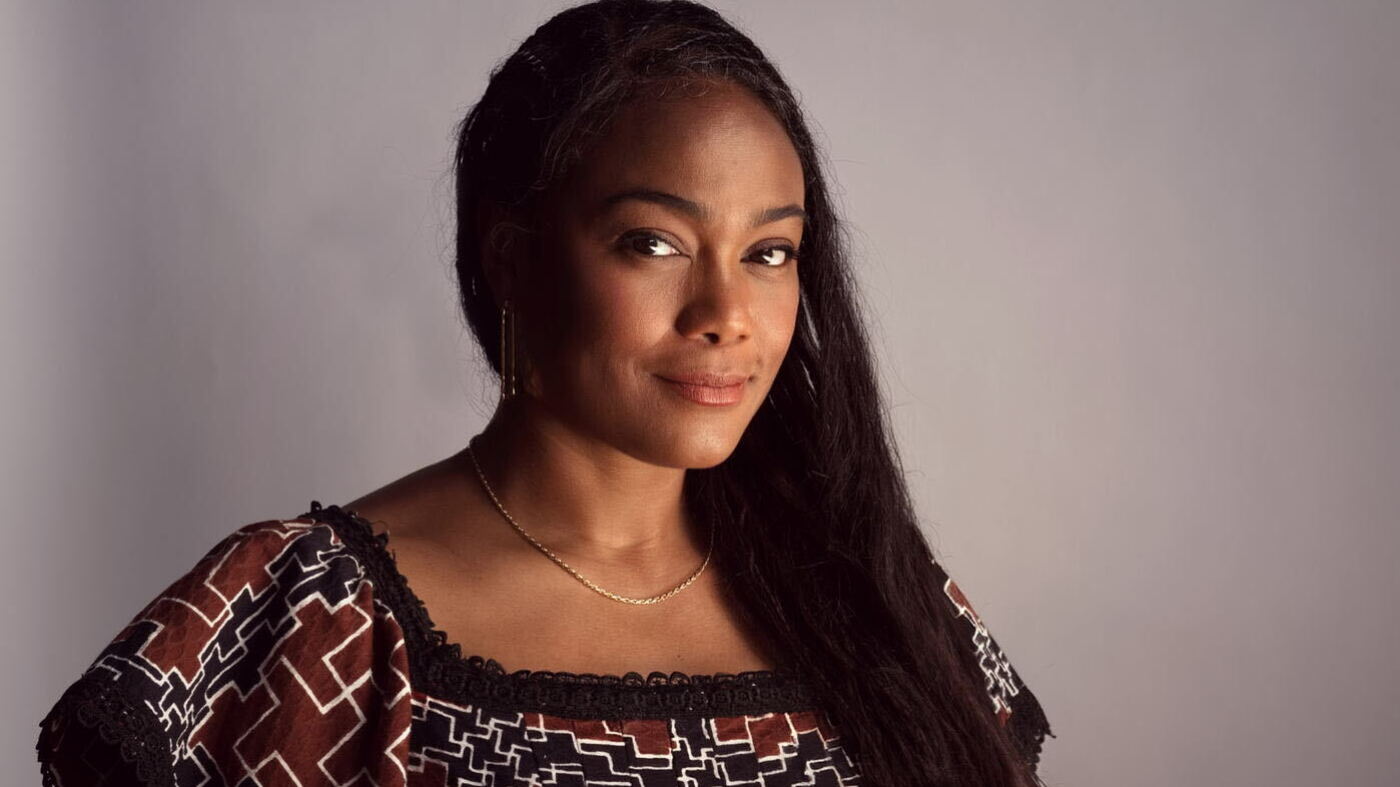
Tatyana Ali, a 47-year-old actor and singer known for her role on The Fresh Prince of Bel-Air, has become a prominent advocate for improving maternity health outcomes for Black and Indigenous mothers. Her advocacy stems from her experience delivering her eldest son, Aszi, in 2016, which she characterizes as involving obstetric violence. During the delivery, Ali describes having her birth plan disregarded, being physically restrained by approximately four hospital staff members, and undergoing a rarely-used emergency procedure known as the Zavanelli maneuver, in which the attending physician pushed her baby back inside the birth canal before performing an emergency cesarean section. Her son subsequently spent several days in the neonatal intensive care unit.
The broader context of Ali’s advocacy involves significant maternal health disparities in the United States. According to federal data, 649 women died from maternal causes in 2024, with Black mothers experiencing more than three times the mortality rate of white women. The nation ranks among the most dangerous developed countries for childbirth based on maternal death rates. Ali has noted that after hearing similar accounts from other women of color, she recognized her experience as part of a systemic pattern rooted in racism within healthcare.
Medical professionals in the field acknowledge these disparities and are working to address them. Dr. Tamika Auguste, chair of women’s and infants’ services at MedStar Washington Hospital Center, points to ongoing efforts to improve protocols for conditions like cardiac issues, hemorrhaging, and hypertension that disproportionately affect Black women. However, unconscious bias remains a significant obstacle, including misconceptions about pain tolerance among Black patients. Auguste emphasizes the importance of multidisciplinary teams including physicians, midwives, doulas, nurses, and anesthesiologists working collaboratively.
Structural barriers further complicate access to maternal care. More than 500 hospitals closed maternity wards between 2010 and 2022, and more than half of U.S. counties lack hospital-based labor and delivery services. These maternity care deserts disproportionately affect communities of color in the South, and people of color face higher rates of being uninsured. Ali continues traveling nationwide to speak at conferences about her experience and advocate for solutions, having found support within the Black and Indigenous maternal health community during her healing process.
Article Attribution | Read More at Article Source
Article summary produced by Claude AI