

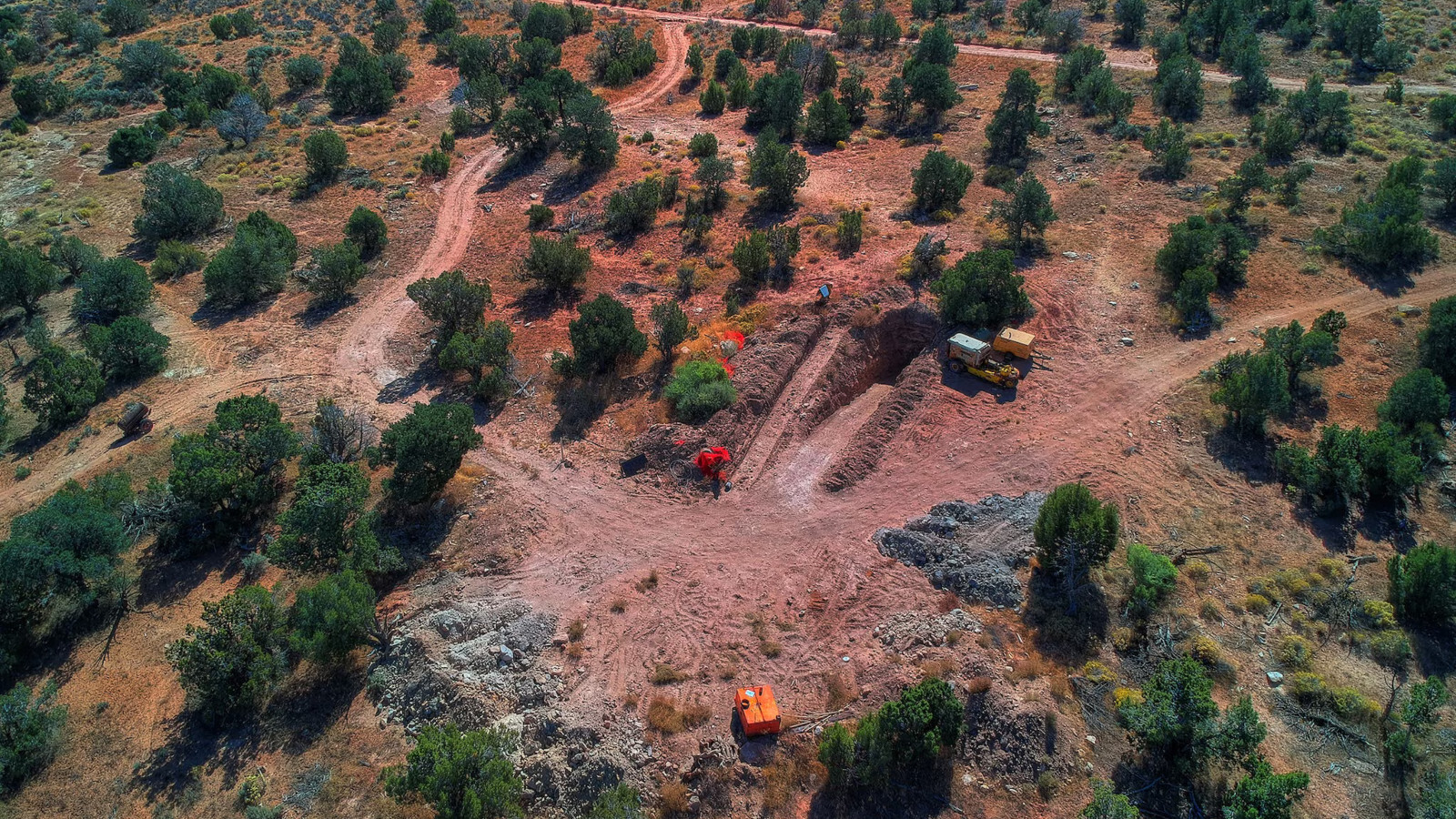
Prospectors moved swiftly to stake mining claims on land in southeastern Utah after the Bears Ears National Monument was substantially reduced. On the first day the 1.2 million acres became available for claims, 16 filings were submitted, all apparently by small-scale local operators with interests in uranium extraction. The rapid activity prompted alarm from environmental organizations, which anticipate additional claims will follow.
The claims were primarily filed by two parties: an off-roading guide based in Moab who submitted three claims, and a family-operated mining company that filed thirteen claims, including modifications to an existing site. The managing member of the mining company has prior connections to uranium exploration and sits on the board of a Canadian uranium-focused firm. While the company declined to comment on its intentions, records indicate previous mining activity at one of its sites sought uranium in 2018.
Bears Ears has experienced shifting protections across multiple administrations. The monument was originally established under President Barack Obama, dramatically reduced during the first Trump administration, restored and expanded under President Joe Biden, and was again substantially shrunk this summer. The current reduction dissolved the tribal commission that previously managed the monument alongside the Bureau of Land Management.
The Trump administration’s proclamation opening the lands highlighted various minerals potentially present, including uranium, and characterized such resources as essential for economic growth and energy security. The administration and state officials have emphasized nuclear energy as critical for powering future electricity demands, particularly with the rise of artificial intelligence. Uranium serves as the primary fuel for nuclear power plants.
Environmental advocates expressed skepticism about the venture’s viability, noting that previous exploration efforts, even during periods when the land faced fewer restrictions, failed to establish profitable mining operations. They argued that small-scale mining activities would cause environmental damage without delivering meaningful economic benefits to justify the disturbance to monument resources and landscapes.
Article Attribution | Read More at Article Source
Article summary produced by Claude AI