

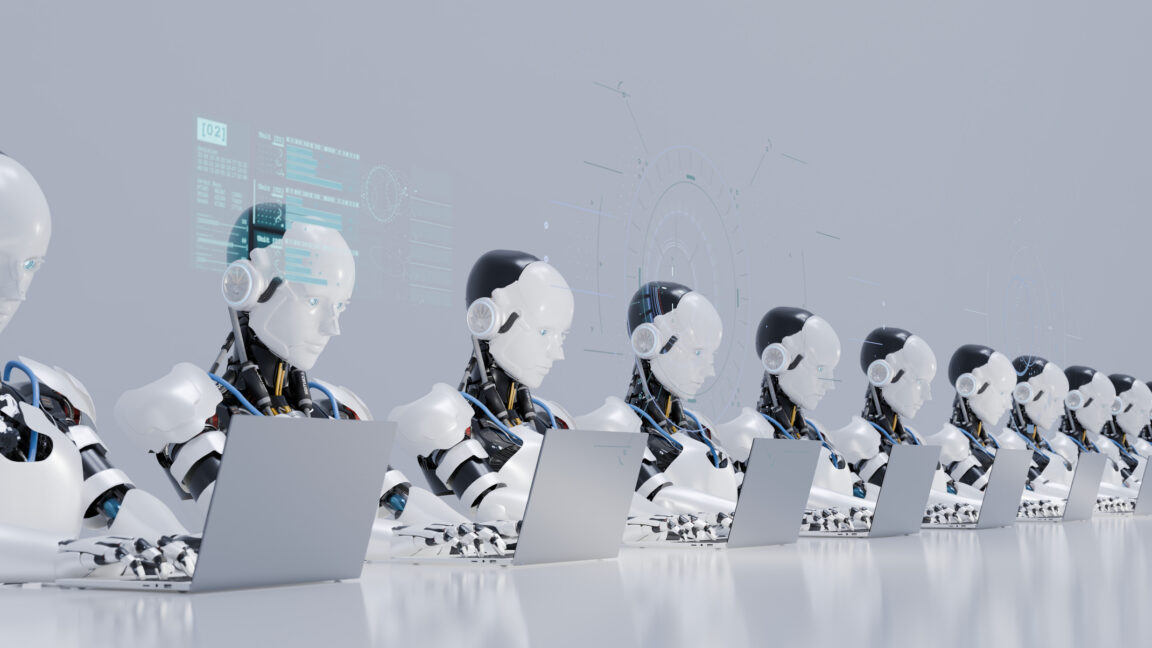
Meta created an internal reorganization initiative earlier this year, codenamed Project OT, designed to explore scenarios in which artificial intelligence could perform work traditionally handled by human employees. According to reporting by Reuters, the plan examined possibilities for reducing certain team sizes by as much as 60 percent while establishing what the company termed an “AI native” operational model. The project involved using AI agents to handle daily tasks with oversight from small groups of human workers.
Meta CEO Mark Zuckerberg directed the initiative, which began in January. The first phase of layoffs related to Project OT occurred in May, though the company later canceled a planned second round scheduled for later in the year. Meta confirmed that the plan called for scenario planning involving potential redeployments and workforce reductions, but stated that not all scenarios from the exercise were implemented. An HR executive reportedly indicated that such scenarios could have resulted in headcount reductions of 25 percent or greater.
The company encountered significant obstacles during implementation. Internal documents and employee accounts reviewed by Reuters revealed that AI agents performed “large-scale, disruptive actions” that resulted in unintended consequences. Technical and security incidents increased by approximately 40 percent compared to the prior year, with employees spending up to 70 percent more time addressing resulting problems. Additionally, productivity gains proved underwhelming—while internal code changes increased substantially, actual feature improvements reaching users rose by only 36 percent.
Further complications arose from employee concerns about data collection practices and uncertainty about workforce planning. Reports of keyboard and mouse monitoring used to train AI systems contributed to morale issues, leading Meta to pause the monitoring program. In July, Zuckerberg acknowledged during an internal company meeting that AI development had not accelerated as anticipated over the preceding months.
Meta’s experience illustrates broader organizational challenges in deploying AI technology at scale, balancing productivity goals against implementation risks and unintended operational disruptions. The company has since shifted focus, moving thousands of employees to work on newly established teams rather than pursuing the full scope of the original transformation plan.
Article Attribution | Read More at Article Source
Article summary produced by Claude AI