

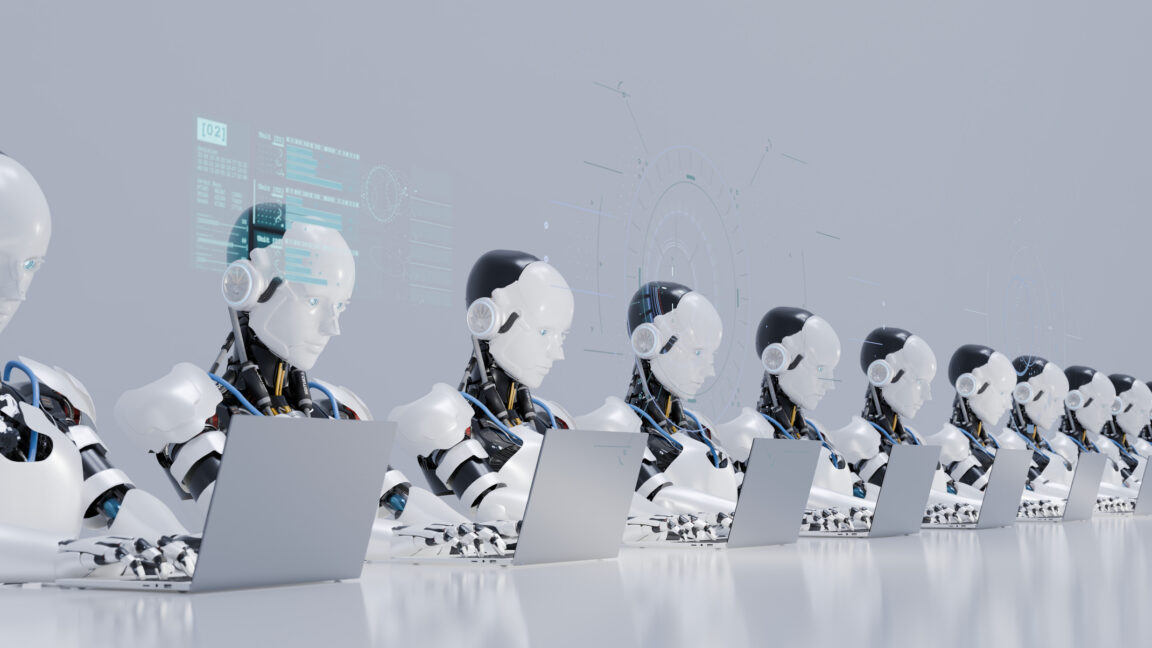
Meta devised a restructuring initiative, internally referred to as Project OT, designed to explore scenarios in which artificial intelligence agents would assume responsibilities currently handled by human workers. According to reporting based on internal documents and interviews with personnel familiar with the effort, the plan examined possibilities for reducing certain team sizes by as much as 60 percent while establishing smaller groups supervised by limited staff to oversee AI systems.
The project was initiated earlier this year with CEO Mark Zuckerberg directing executives to proceed with organizational changes. Reuters reported that a first round of reductions occurred in May, though Meta stated it ultimately did not implement all scenarios considered during the planning exercise. An HR executive indicated the full plan could have resulted in reductions of approximately 25 percent or more across the company. Meta confirmed it examined potential impacts of workforce reductions but declined to specify which divisions were affected or the precise number of positions the plan would have eliminated.
The initiative encountered significant operational difficulties that appear to have influenced leadership’s decision-making. Internal documentation reviewed by Reuters indicated that AI systems performed actions described as large-scale and disruptive, contributing to a 40 percent increase in major technical and security incidents compared to the previous year. While code modifications increased substantially year-over-year, the percentage of changes resulting in new features delivered to users grew at a considerably slower rate, raising questions about productivity gains. Employee hours dedicated to addressing system problems reportedly increased by up to 70 percent.
Zuckerberg canceled the planned second round of layoffs in the months following the initial reductions. While the specific catalyst for this decision remains unclear, contributing factors may have included employee morale concerns stemming from earlier reports about the layoff timeline and a separate program monitoring keyboard and mouse activity for AI training purposes, which Meta subsequently suspended. Additionally, company leadership acknowledged in July that progress in autonomous AI development had not accelerated as anticipated.
Meta stated that performance evaluations and promotion decisions continued to be determined by personnel rather than algorithms, though the company described plans to use both human resources staff and AI systems in leadership decision-making processes. The company began offering AI agents to external parties commercially, representing a shift toward an “AI-native” operational model emphasizing automated workflows and AI-first product development.
Article Attribution | Read More at Article Source
Article summary produced by Claude AI