

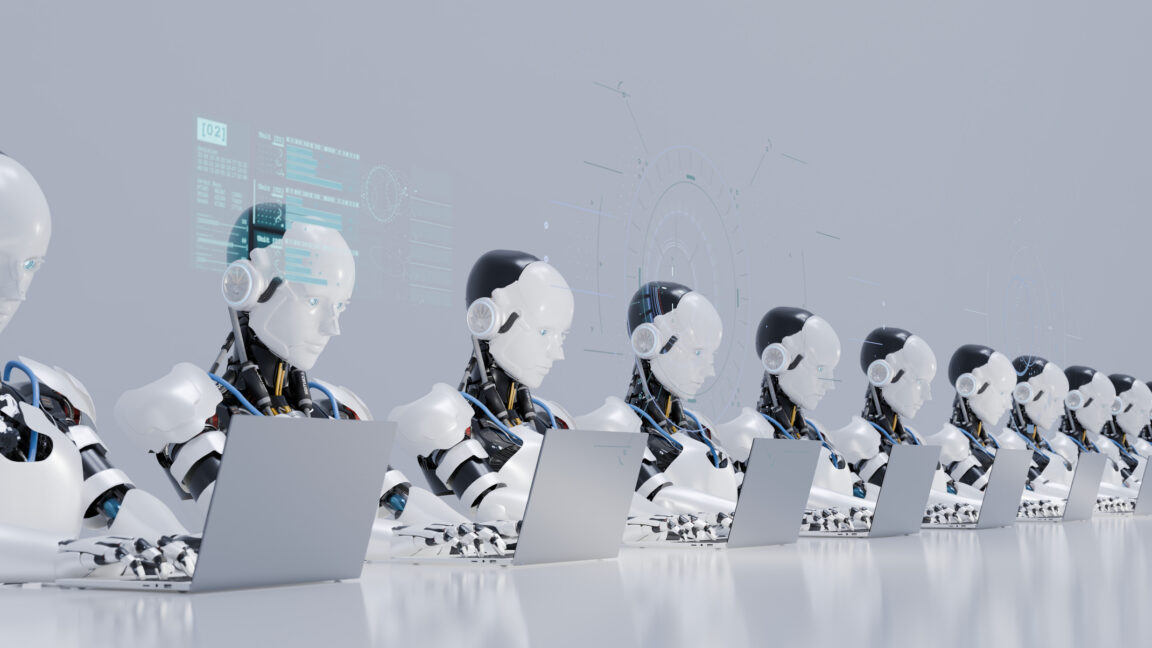
Meta created an internal plan earlier this year, reportedly codenamed Project OT, to explore scenarios in which artificial intelligence agents would replace human workers across the company. According to reporting by Reuters, which reviewed internal documents and interviewed over 20 Meta employees, the plan examined reducing certain team sizes by as much as 60 percent and called for two rounds of layoffs designed to make Meta “AI native.” CEO Mark Zuckerberg directed executives to implement the changes beginning in January. The company confirmed conducting scenario planning exercises that led to moving thousands of employees to newly-established teams but stated it did not proceed with every scenario examined.
The first round of layoffs under Project OT occurred in May, but Meta subsequently canceled a planned second wave of reductions in November. According to Reuters, human resources executives estimated the plan could have resulted in headcount reductions of 25 percent or more. Meta intended to use savings from reduced payroll to hire high-performing employees with artificial intelligence expertise. The company began selling AI agents to external clients in June as part of its broader strategy.
However, Meta encountered significant technical challenges during the pilot phase. Internal documents reviewed by Reuters indicated that AI agents executed “large-scale, disruptive actions that humans are unlikely to execute,” leading to a 40 percent increase in major technical and security incidents compared to the previous year. Employee time spent resolving these problems increased by as much as 70 percent. Additionally, while code changes to internal software platforms increased 220 percent year-over-year, new or upgraded features actually reaching users rose only 36 percent, raising questions about productivity gains.
Zuckerberg acknowledged in July that artificial intelligence development had not accelerated as anticipated over the preceding months. Reuters noted it was unable to determine the specific factor that prompted the decision to scale back the project, though employee morale problems resulting from earlier reports of monitoring programs and impending layoffs may have contributed. Meta declined to comment on the internal posts describing the technical incidents. The case illustrates the challenges organizations face in effectively implementing AI systems to replace human labor.
Article Attribution | Read More at Article Source
Article summary produced by Claude AI