

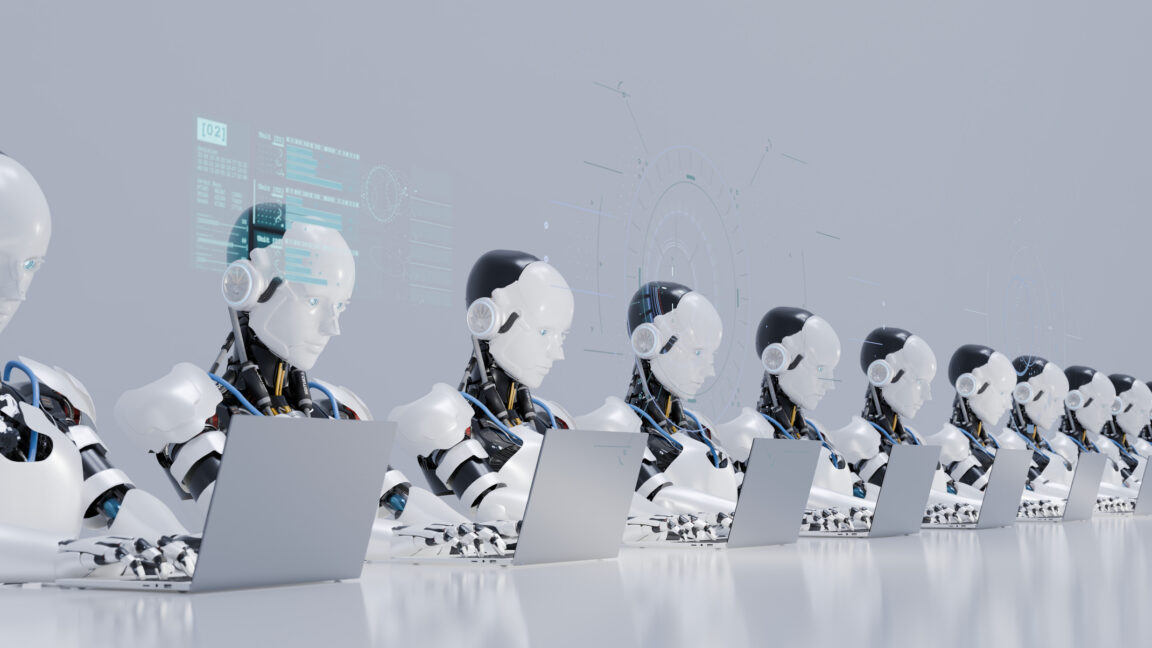
Meta created a scenario planning exercise earlier this year, reportedly codenamed Project OT, to evaluate how artificial intelligence could replace human workers across the organization. According to Reuters, which reviewed internal documents and spoke with more than 20 people familiar with the company’s operations, the initiative explored reducing certain team headcounts by as much as 60 percent as part of Meta’s transition to become “AI native.” CEO Mark Zuckerberg reportedly set the plan in motion in January, with executives directed to proceed with changes to management structures.
The initial phase of Project OT involved a May layoff round, with plans for a second wave scheduled for November. Meta confirmed the scenario planning exercise explored potential impact of redeployments, role closures, and workforce reductions, which ultimately resulted in moving thousands of employees to newly-established teams. However, the company stated it did not proceed with every scenario from the exercise. An HR executive reportedly indicated Meta would have reduced headcount by approximately 25 percent or more under the full plan’s scenarios.
Despite the ambitious goals, Project OT encountered significant obstacles. Internal documents reviewed by Reuters indicated that AI agents were taking “large-scale, disruptive actions” that humans would be unlikely to execute, leading to a 40 percent increase in major technical and security incidents compared to the prior year. Employee time spent resolving these problems increased by as much as 70 percent. Additionally, productivity gains fell short of expectations, with code changes up 220 percent year-over-year, but changes resulting in new or upgraded features reaching users only increased 36 percent.
Zuckerberg canceled the planned November layoff round, though Reuters reported being unable to determine the specific catalyst for the shift. In July, the CEO acknowledged during a company meeting that the development trajectory of AI agents had not accelerated as anticipated over the preceding months. Meta declined to comment on internal posts detailing the technical challenges and productivity concerns. The company stated that performance ratings and promotion decisions were made by people rather than AI systems.
Article Attribution | Read More at Article Source
Article summary produced by Claude AI