

The rapid expansion of artificial intelligence infrastructure is creating significant strain on electrical power supply systems across the United States. Major technology companies are investing heavily in data centers to support large language models, driving unprecedented demand for grid equipment and infrastructure. This surge is creating bottlenecks in multiple sectors of the power equipment industry.
Transformers, which convert high-voltage electricity from power plants to usable current for consumers and data centers, have experienced critical shortages for at least two years. Wood Mackenzie estimates the transformer shortfall at 15% this year, while substations face an 8% deficit. These shortages stem from rapid electricity demand growth—predominantly from the technology sector—that has outpaced the grid’s ability to expand infrastructure. An executive order banning imports of bulk power equipment from China has further constrained available supply.
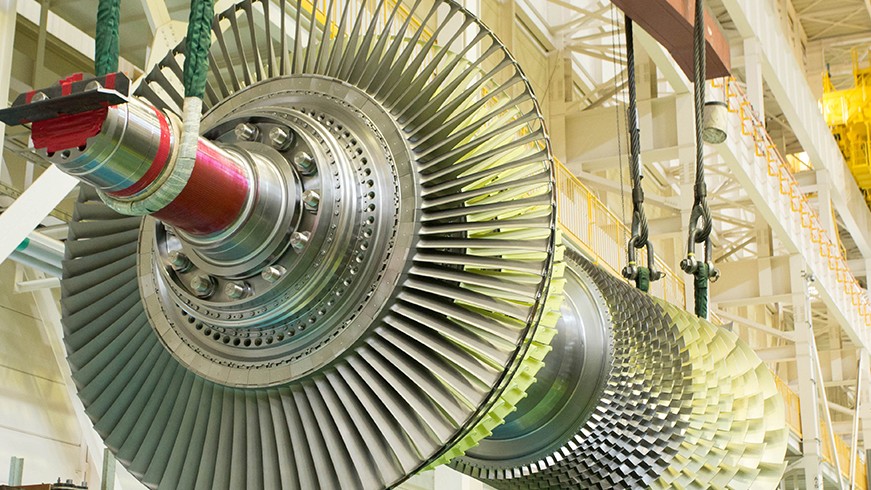
Manufacturers of transformers and related equipment are operating at capacity with order backlogs extending years into the future. South Korea’s Hyundai Electric reported order backlogs exceeding three years, with a 23% increase in backlog during the first half of the year reaching $8.5 billion. Similar constraints affect gas turbine producers, as both industries experience surging demand from technology companies competing to advance AI capabilities.
Cooling systems represent a third critical supply chain facing strain from data center expansion. As power consumption increases, cooling requirements rise proportionally, creating additional demand pressures on manufacturers who cannot accelerate production due to physical constraints. Technology companies are expected to absorb approximately 40% of U.S. power equipment supply over the coming years, prompting concerns about potential supply chain crises given the urgent nature of demand relative to manufacturing capabilities.
Article Attribution | Read More at Article Source
Article summary produced by Claude AI