

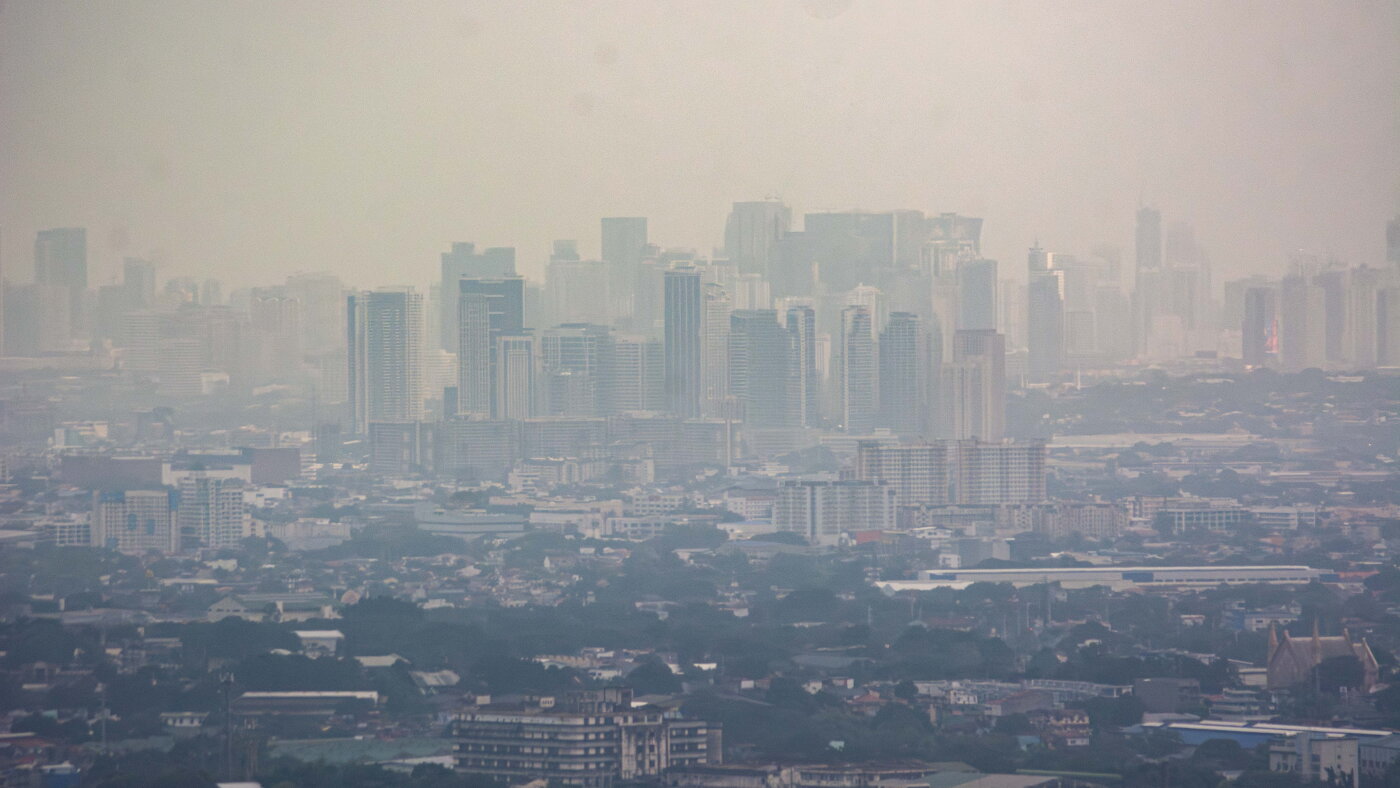
Researchers have found that air pollution levels rose significantly following the Trump administration’s decision to shut down the State Department’s air quality monitoring program at U.S. embassies and consulates. The initiative, which began in 2008 with a monitor installed at the Beijing embassy, had expanded to more than 80 locations worldwide and was credited with spurring demand for cleaner air in countries with limited monitoring infrastructure.
A study published this week in PNAS examined air pollution changes across 46 cities after the program ended. Researchers found no significant pollution trends in the 300 days before monitoring ceased, but approximately three to four months after reporting stopped, pollution levels increased by roughly 30% according to satellite measurements. The researchers estimate this translates to approximately a 4% increase in PM2.5, the small particulate matter that can penetrate the lungs and bloodstream.
The pollution increases were most pronounced in Southeast Asian cities including Manila, Rangoon, and Vientiane, and occurred primarily in locations with fewer alternative monitoring systems. Researchers suggest that when monitoring stops, companies may view it as an opportunity to reduce pollution control spending. For countries with newly established or nonexistent monitoring programs, the U.S. data may have previously motivated regulatory action that subsequently weakened after the program’s discontinuation.
The State Department declined to comment on the study but stated it is working to restore public reporting of air quality data without providing a specific timeline. Environmental economists note that the program had produced sustained improvements in air quality over a decade. The research suggests these gains are not guaranteed to persist without continued monitoring, though researchers observed some decrease in pollution levels several months after the peak, which may reflect emerging local or individual monitoring efforts.
The study cannot definitively explain the pollution increases or predict whether decreasing trends will continue, particularly in regions where air quality monitoring infrastructure remains limited. Researchers emphasize that access to pollution data creates accountability and is essential for maintaining previous environmental gains.
Article Attribution | Read More at Article Source
Article summary produced by Claude AI