

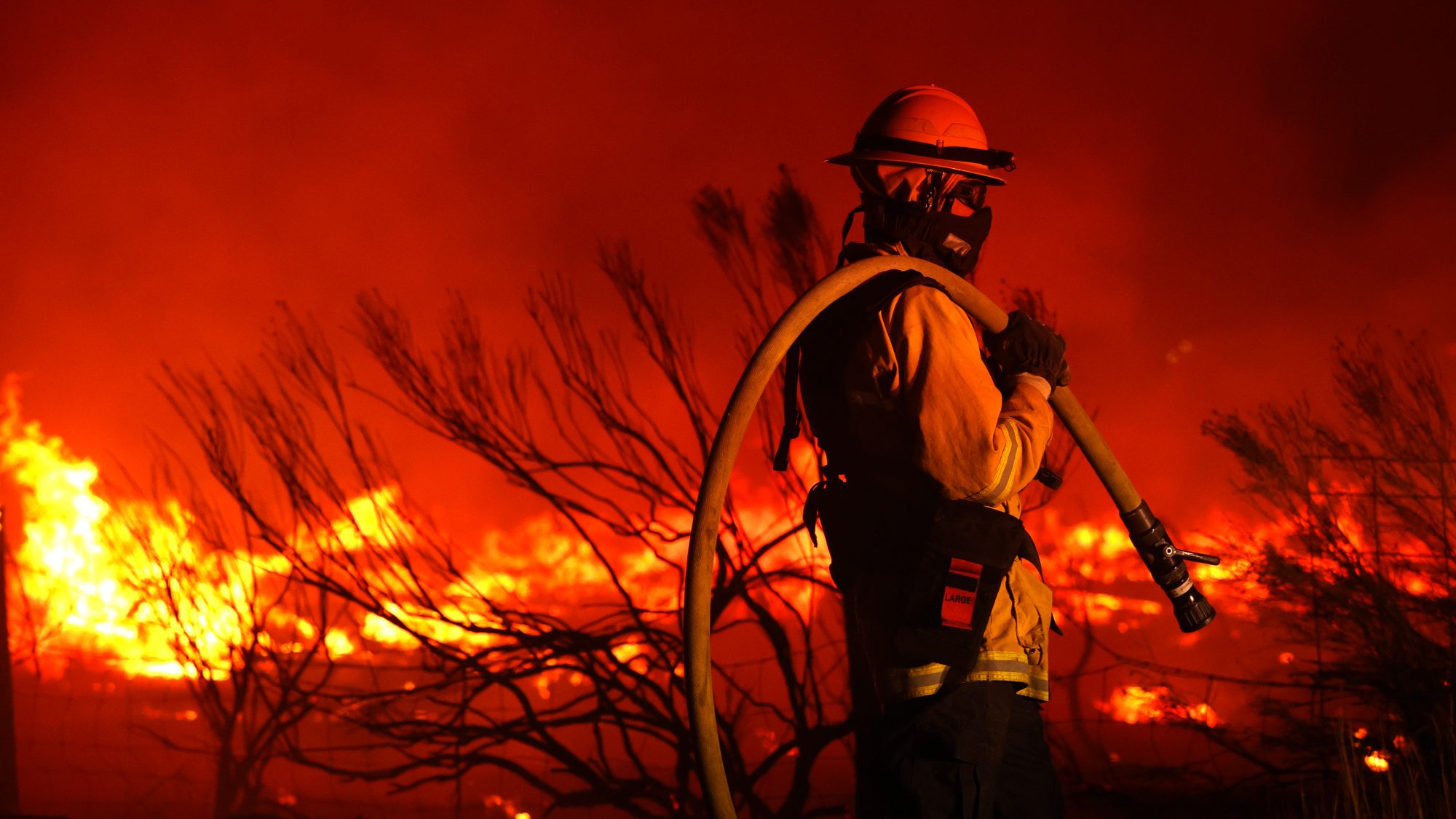
Large destructive wildfires have become increasingly common across the United States, with experts warning that current suppression strategies are unsustainable and leading to a self-perpetuating cycle of escalating fire risk. Over the past decade, so-called megafires—fires exceeding 100,000 acres characterized by their severity, speed, and destructive impact—have grown more frequent and now consume the majority of federal wildfire suppression budgets, which have increased tenfold compared to spending three decades ago.
A 2013 foresight panel convened by the U.S. Forest Service concluded that existing fire suppression approaches would inevitably fail under changing environmental conditions. The report warned that without a fundamental shift in strategy, risk would continue mounting until fire-filled landscapes experience catastrophic resets, potentially converting vast forested regions to grasslands or shrublands and destroying biodiversity and residential areas across the West.
Current conditions reflect the panel’s concerns. In 2026, the U.S. has recorded over 53,000 wildfires burning more than 8 million acres—approximately 3 million acres above the decade average. Nearly 73 percent of the Intermountain West faces severe to exceptional drought, with record-breaking temperatures nationwide and depleted snowpack from the preceding winter. Federal firefighting resources are operating at critically low levels, with an August memo from the National Multi-Agency Coordinating group noting that resource commitments are approaching all-time peaks, leaving many assistance requests unfulfilled.
Forest Service officials have begun advocating for alternative management approaches. Some managers have experimented with allowing wildfires to spread under controlled conditions when weather permits, reducing fuel loads for subsequent fire seasons. However, the Trump administration has returned to full suppression policies—extinguishing all fires regardless of threat to human life or property—reversing three decades of federal policy that theoretically encouraged more flexible wildfire management. Without policy and practice changes to address the underlying fuel accumulation and environmental shifts driving megafires, experts contend the nation remains trapped in an escalating cycle of fire risk and resource strain.
Article Attribution | Read More at Article Source
Article summary produced by Claude AI