

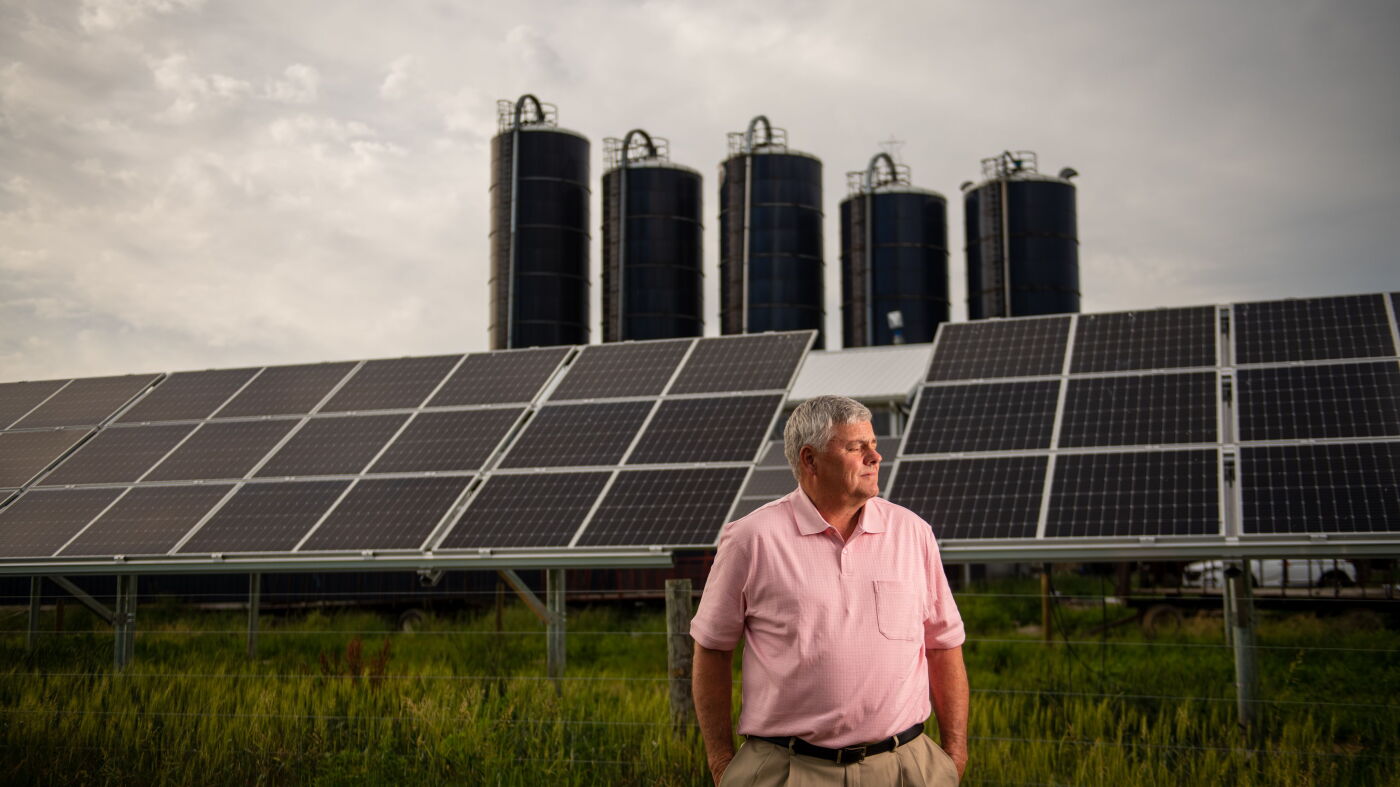
Farmers across the United States are experiencing significant economic strain as production expenses continue to outpace revenue, according to agricultural economists and industry professionals. Rick Telesz, who operates a 700-acre operation in western Pennsylvania growing soybeans, corn, and dairy cattle, exemplifies the challenges facing the sector. He anticipates barely breaking even this season despite expecting a promising soybean harvest, primarily due to the elevated costs of critical inputs.
Key cost pressures include fertilizer prices, which have risen 15% compared to the prior year, and diesel fuel expenses that have surged approximately 80%. Telesz reports paying roughly $6 per gallon for diesel fuel, with his combine harvester consuming 150 gallons daily during operation. Unlike other industries that can pass increased fuel costs along to consumers, farmers must absorb these expenses directly, reducing profitability margins substantially.
Trade policy disruptions compound these challenges. China, historically the third-largest market for U.S. agricultural exports, has significantly reduced purchases in response to tariff policies. While soybean exports have shown modest recovery, other commodities including cotton, wheat, pork, and beef remain well below historical export levels with little indication of improvement.
The U.S. Department of Agriculture projects that while overall farm revenue will increase this year as crop prices improve, rising production costs will consume those gains. Economists project that producers of major row crops will lose money in 2026 for the fourth consecutive year. Nationwide, approximately 200,000 farms have ceased operations since 2020. Farm bankruptcies rose 19% during the 12-month period ending in June compared to the previous year, though most farmers continue operating despite financial losses, hoping conditions will improve.
Article Attribution | Read More at Article Source
Article summary produced by Claude AI