

The nation’s public air quality monitoring network has undergone substantial contraction over recent decades, creating growing gaps in pollution detection capabilities. Federal funding dedicated to air monitoring has decreased, the number of operational monitors has fallen, and much of the remaining equipment has become outdated or strategically positioned away from major industrial pollution sources. These gaps are becoming more consequential as new environmental pressures emerge, including increased wildfire smoke reaching populated areas, expanding data center operations, and climate-related heat intensifying ozone formation. Simultaneously, federal oversight mechanisms have weakened, with recent administration actions delaying and rolling back emissions accountability requirements.
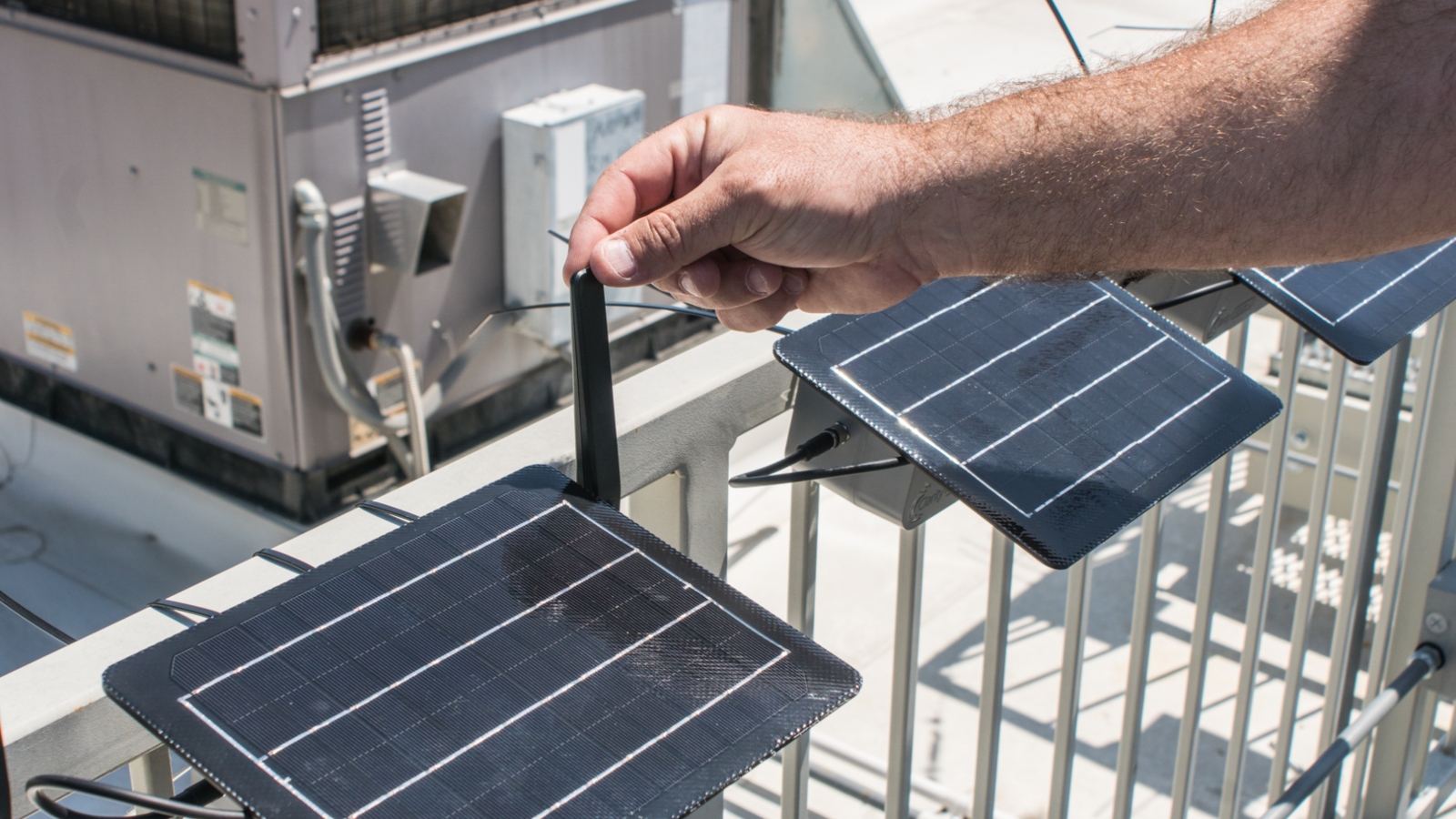
As the publicly funded monitoring infrastructure has eroded, communities have increasingly adopted low-cost sensor technology to collect their own air quality data. However, industry groups have responded by working to restrict how this independently collected information can be used. Since 2024, Louisiana, Ohio, and Kentucky have enacted nearly identical legislation backed by chemical and manufacturing trade associations that effectively bar regulators from using community-collected data in enforcement proceedings unless the data meets EPA-approved standards—equipment typically costing tens of thousands of dollars. Similar proposals have been introduced in West Virginia, though they have not yet advanced to enactment.
The scope of the monitoring deficit is substantial. Analysis of major industrial pollution sources in states where monitoring restrictions have been enacted reveals that for 71 of 100 large facilities examined, the primary chemical each facility releases goes unmeasured by any government monitor in that state. Additionally, research indicates that nearly six in 10 counties nationwide lack any public air monitor whatsoever. These gaps disproportionately affect Black and low-income communities, which experience elevated cancer risk from air toxics according to EPA assessments.
The restrictions on community monitoring represent a setback for environmental advocacy efforts. A federally funded air monitoring program in Louisiana that had secured substantial grant funding was curtailed after a change in administration, limiting its ability to establish sensors in identified pollution hotspots. Industry representatives defend the restrictions as necessary for ensuring data reliability and scientific rigor, while critics contend the measures effectively eliminate one of the few available tools for communities to independently document air quality threats in their neighborhoods.
Article Attribution | Read More at Article Source
Article summary produced by Claude AI