

The nation’s public air monitoring infrastructure is declining in scope and aging in equipment, leaving significant gaps in pollution detection across the United States. Federal funding for air quality monitors has decreased over recent decades, resulting in fewer monitoring stations and reduced coverage of toxic chemicals. Analysis of major industrial facilities in Kentucky, Louisiana, Ohio, and West Virginia found that 71 of 100 of the largest pollution sources release chemicals not measured by any government monitor in their respective states. The network monitoring vinyl chloride, a carcinogen highlighted during the 2023 East Palestine train derailment, declined by more than half between 2004 and 2025. Nearly 60 percent of U.S. counties lack public air monitors entirely, with the gaps disproportionately affecting Black and low-income communities that already face elevated cancer risks from air toxics.
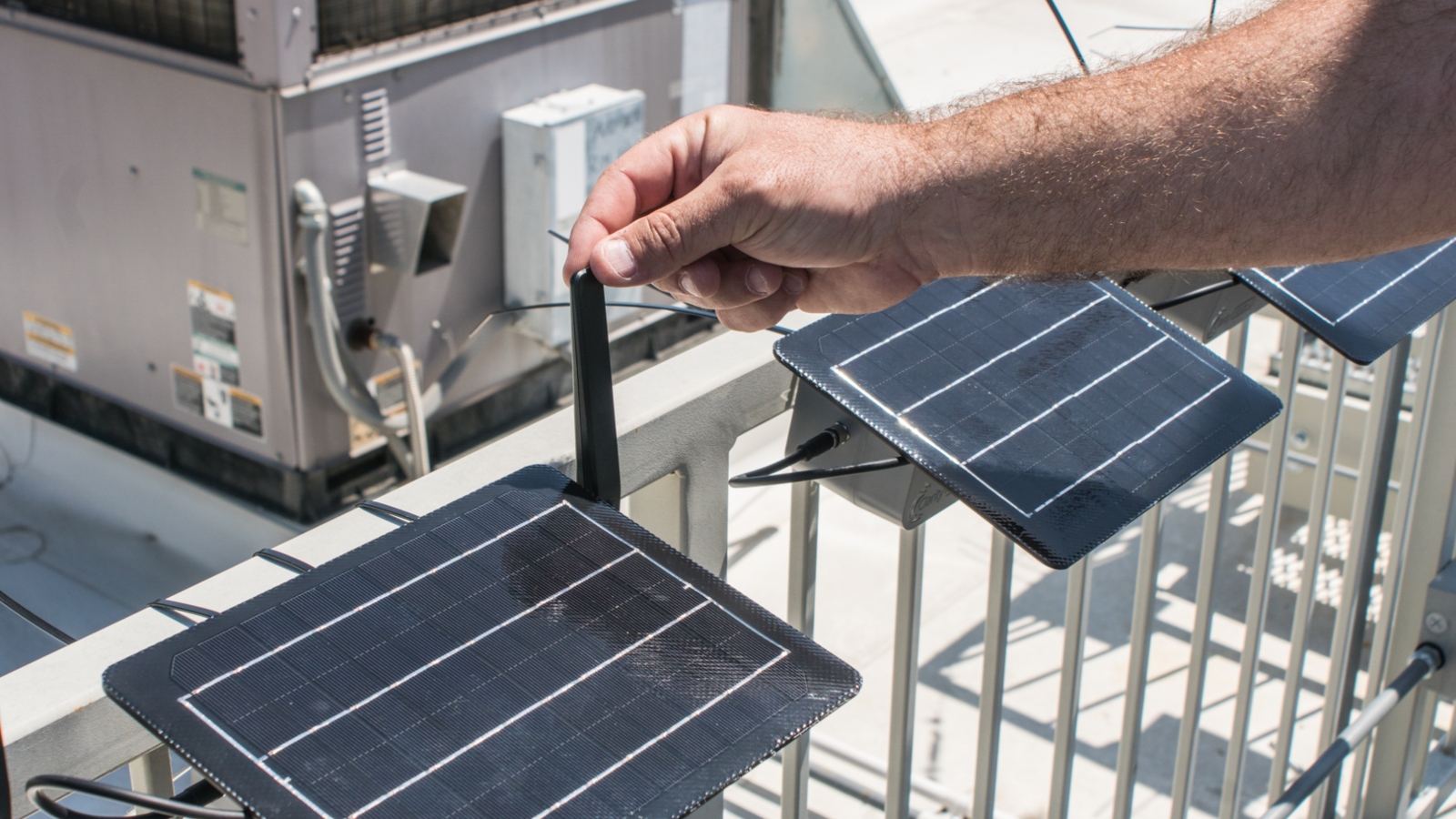
In response to inadequate public monitoring, communities have increasingly developed their own low-cost air quality sensors to track pollution in their areas. However, industry groups have moved to limit this alternative. Since 2024, lawmakers in Louisiana, Ohio, and Kentucky have enacted similar legislation, drafted with backing from chemical and manufacturing trade associations, that prevents regulators from using community-collected air quality data in enforcement actions. These bills require that any data used for regulatory purposes meet EPA-approved standards, which typically involves equipment costing tens of thousands of dollars. When West Virginia lawmakers proposed a version that would establish accuracy standards, industry representatives opposed it, with one chemical company official describing it as codifying “what we are trying to prevent.”
The restrictions emerge alongside broader policy shifts affecting emissions accountability. The Trump administration has delayed and rolled back requirements designed to hold companies accountable for their emissions. Lobbying efforts by major industry groups, including the American Chemistry Council, have successfully prevented blanket exemptions from regulations while individual plants have obtained relief from Biden-era rules aimed at reducing toxic emissions by nearly 80 percent at roughly 200 chemical manufacturing facilities. Community monitoring initiatives have also faced funding challenges, with the Trump administration canceling a federal grant that would have enabled expansion of air monitoring in pollution hotspots across Louisiana.
Article Attribution | Read More at Article Source
Article summary produced by Claude AI