

The nation’s air quality monitoring infrastructure, established following the 1963 Clean Air Act, has contracted considerably over recent decades due to reduced federal funding and aging equipment. The network of monitors, which once provided regulators with critical data for identifying pollution sources and enforcing emissions standards, now covers fewer locations and fails to track many toxic chemicals. According to a recent analysis, approximately six in ten U.S. counties lack any public air monitor, with the gaps concentrated in communities already experiencing disproportionate pollution exposure.
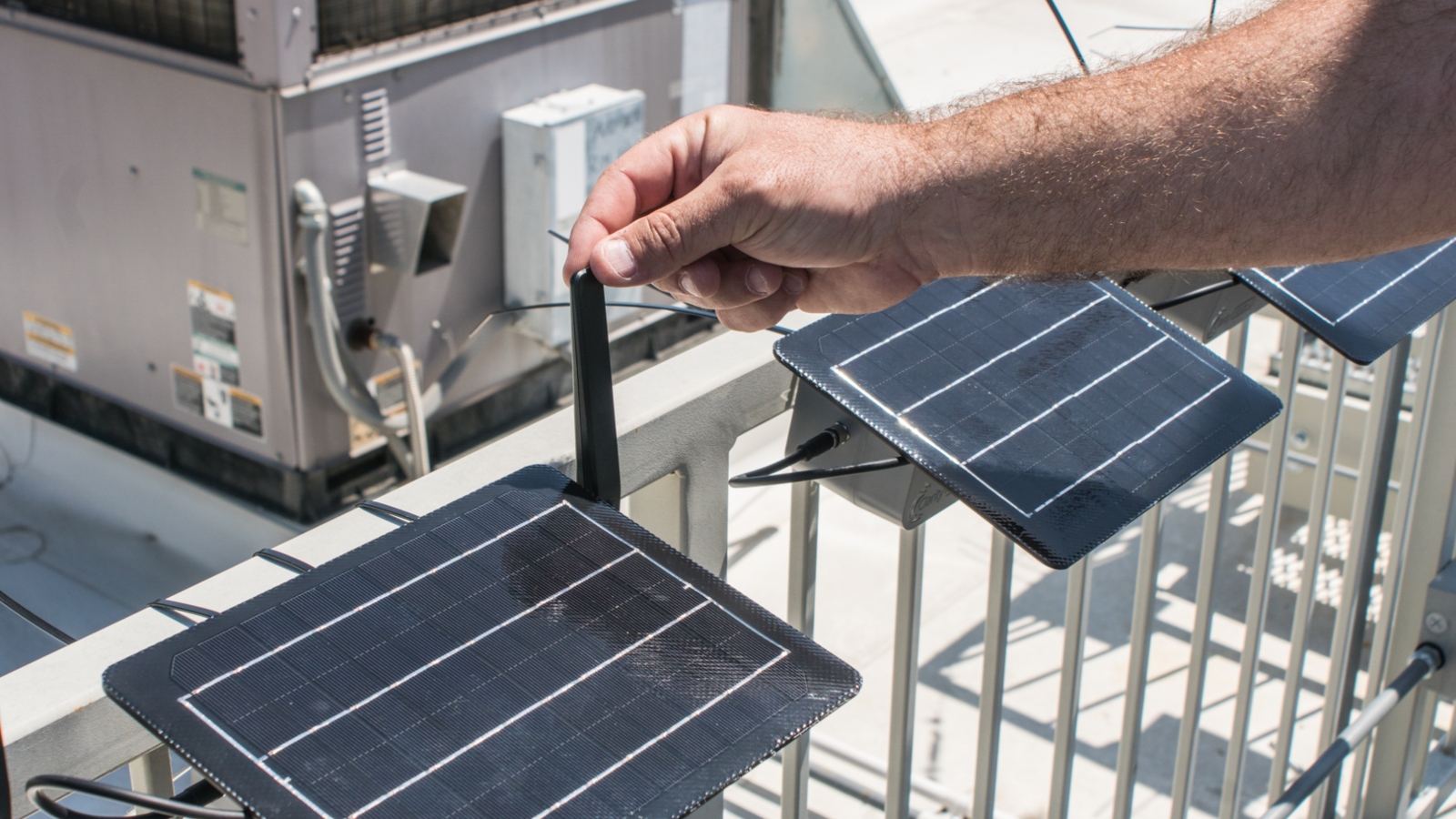
The contraction of government monitoring has prompted communities to deploy alternative technologies, including low-cost sensors that residents can operate independently. These devices have enabled grassroots monitoring efforts, particularly in industrial regions where government monitors are sparse or located far from major pollution sources. However, industry groups have begun mobilizing to restrict the use of community-collected data in regulatory enforcement actions. Since 2024, lawmakers in Louisiana, Ohio, and Kentucky have enacted legislation, often drafted with support from chemical and manufacturing trade associations, that prevents regulators from using community air-quality data for enforcement purposes unless it meets EPA-approved equipment standards.
Proponents of these restrictions argue that community monitoring data lacks the reliability necessary for regulatory action. Yet internal communications from industry officials indicate the actual concern involves preventing any form of accountability, even when accuracy standards are incorporated into proposed legislation. For instance, when West Virginia lawmakers proposed language designed to ensure community data quality, a chemical company executive characterized it as codifying what the industry sought to prevent.
The stakes have risen as new pollution sources emerge and climate impacts intensify. Wildfire smoke increasingly reaches populated areas, data centers expand their operations, and heat-driven ozone formation worsens air quality. Additionally, federal support for community monitoring initiatives has been withdrawn, limiting the expansion of alternative surveillance networks in pollution hotspots. Environmental advocates argue that the shrinking public infrastructure, combined with industry efforts to restrict independent monitoring, leaves communities with diminishing capacity to detect and document air pollution threats.
Article Attribution | Read More at Article Source
Article summary produced by Claude AI