

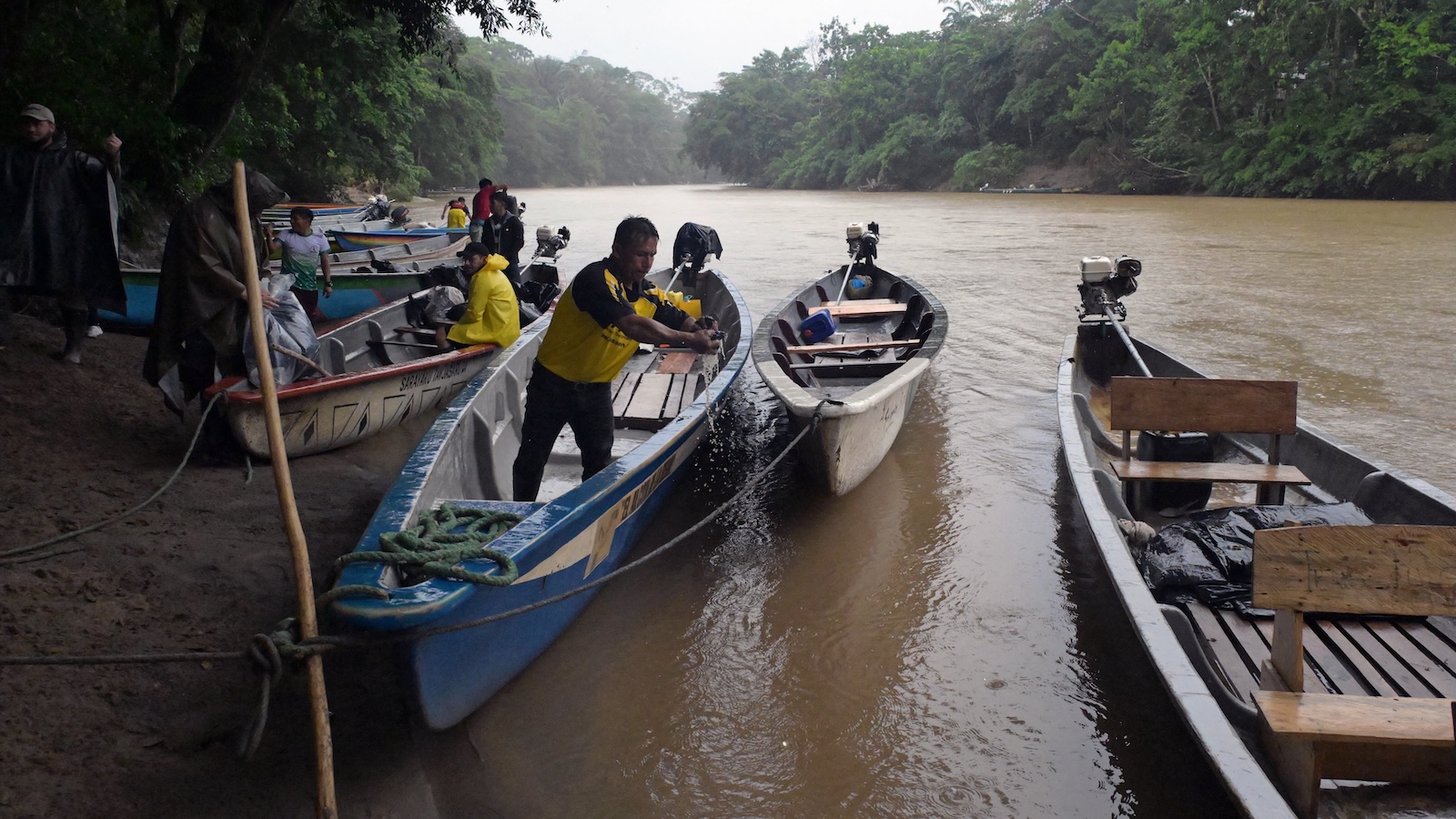
Indigenous communities across Africa, South America, Asia, and other regions are experiencing increasingly severe climate disasters, including overlapping crises of storms, floods, and wildfires. Despite facing these escalating challenges, Indigenous peoples have demonstrated effective adaptation and resilience strategies rooted in generations of environmental knowledge and governance structures, according to a report released by Land Is Life, a nonprofit organization focused on Indigenous self-determination.
The report draws on detailed case studies and responses from more than 200 communities across 46 countries, spanning six distinct ecosystems including forests, mountains, drylands, freshwater systems, grasslands, and coastal regions. The research documents numerous successful examples of Indigenous climate adaptation, such as Kenyan communities maintaining drought-resistant crop varieties and Brazilian Indigenous organizations coordinating fire management and response efforts. More than 80 percent of survey respondents reported facing multiple climate disasters simultaneously, with over 90 percent noting increased frequency of such events.
The report emphasizes that Indigenous governance structures enable effective crisis response through established decision-making processes, clear communication channels, and community-based resource management. The Kichwa people of Sarayaku in Ecuador, for instance, relied on their governance framework and traditional ecological knowledge to respond to devastating floods in 2019, with elders detecting rainfall and lightning patterns that allowed early community warnings. These systems are guided by principles such as minga, a concept of collective responsibility and solidarity that strengthens community resilience.
However, the report identifies significant barriers limiting the effectiveness of Indigenous climate solutions at scale. Many countries fail to provide legal recognition to Indigenous peoples or their governing systems, decline to use Indigenous languages for emergency communications, and criminalize Indigenous cultural practices. Additionally, despite billions of dollars in global climate funding pledges, minimal resources reach Indigenous communities directly. The report calls for governments, philanthropists, and policymakers to establish conditions enabling Indigenous communities to thrive, including flexible direct financing, legal protections for Indigenous lands and authority, and partnerships that genuinely respect Indigenous knowledge and decision-making processes rather than extracting knowledge without supporting the communities providing it.
Article Attribution | Read More at Article Source
Article summary produced by Claude AI