

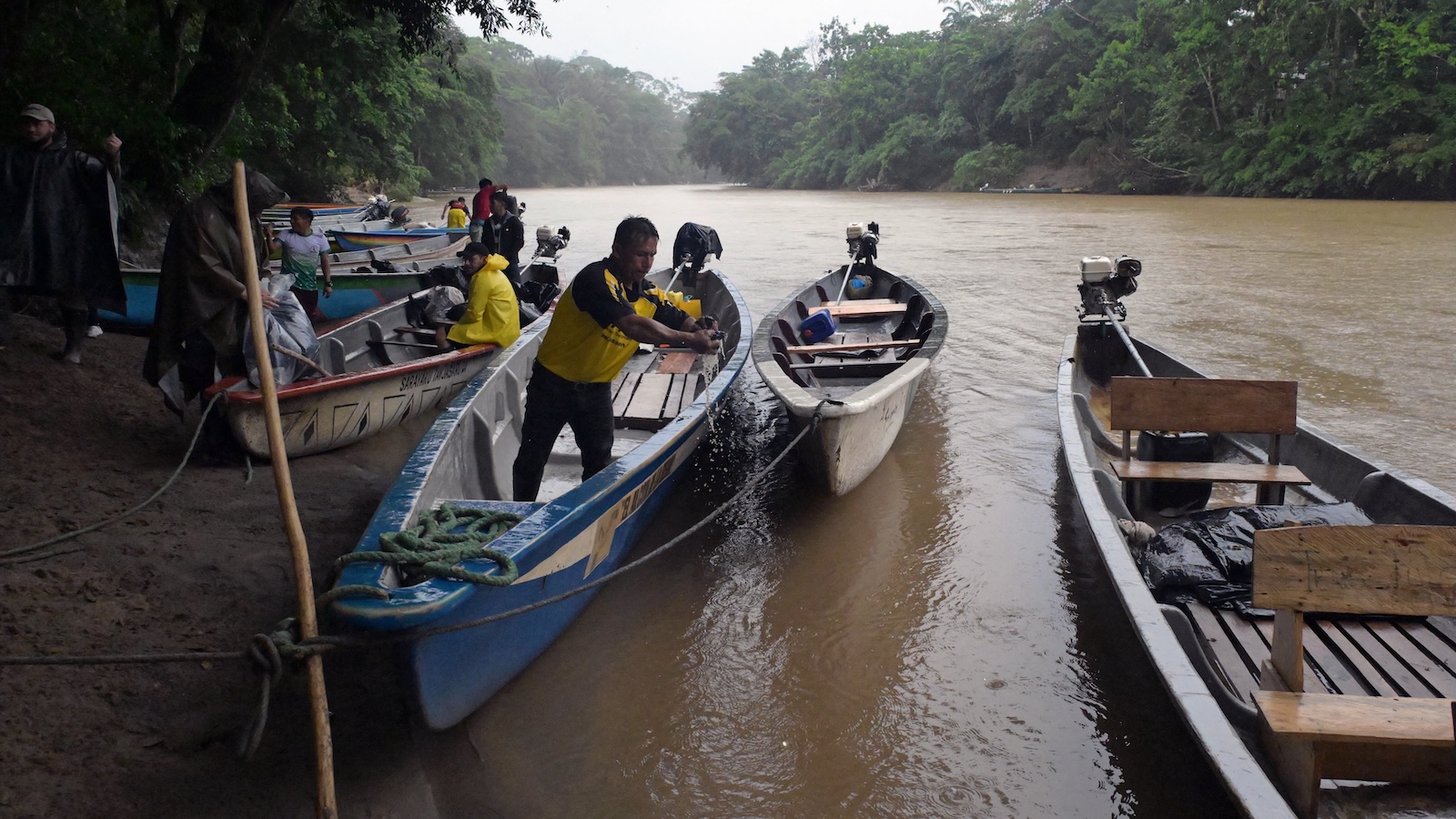
A new report from Land Is Life examines Indigenous climate adaptation and resilience strategies across six continents and multiple ecosystems. The organization surveyed more than 200 respondents from 46 countries spanning forests, mountains, drylands, freshwater systems, grasslands, and coastal regions. The report documents numerous examples of Indigenous communities successfully managing climate disasters, including drought-resistant crop cultivation in Kenya and coordinated fire management in Brazil’s Amazon region.
The research emphasizes that Indigenous governance structures are integral to the effectiveness of climate adaptation strategies. When the Kichwa People of Sarayaku in Ecuador faced devastating floods in 2019, their established governance systems enabled rapid response and recovery. These structures included early warning mechanisms based on observation of environmental patterns, organized decision-making processes, and mechanisms to address immediate needs. According to the report’s findings, over 80 percent of respondents reported experiencing multiple climate disasters simultaneously, and more than 90 percent noted increasing frequency of such events.
Despite documented success, Indigenous communities face significant barriers to implementing adaptation strategies. Many countries lack legal recognition of Indigenous peoples and their governments, refuse to use Indigenous languages in emergency alerts, and criminalize Indigenous cultural practices. The report identifies additional shortcomings in global climate initiatives, including short-term funding approaches that bypass Indigenous self-governance and external authorities imposed on communities without meaningful consultation.
The report calls for substantive support through legal protections, direct financing, and partnerships that respect Indigenous decision-making and knowledge systems. Examples of effective collaboration exist, such as conservation efforts in Peru that combined Indigenous knowledge with Western research methods. However, despite billions in global climate pledges, minimal funding reaches Indigenous communities. Land Is Life released the report during New York Climate Week to highlight the urgent need for increased direct financing and policy changes that enable Indigenous governance to function effectively in addressing climate adaptation.
Article Attribution | Read More at Article Source
Article summary produced by Claude AI