

Multiple U.S. Senators with backgrounds in collegiate athletics are helping to guide legislation addressing major changes in college sports. The Protect College Sports Act is positioned to advance in the Senate, with supporters arguing the bill addresses instability in Division I athletics marked by rapidly increasing athlete compensation, unlimited transfers between institutions, frequent litigation over eligibility standards, and expanding athletic department budgets.
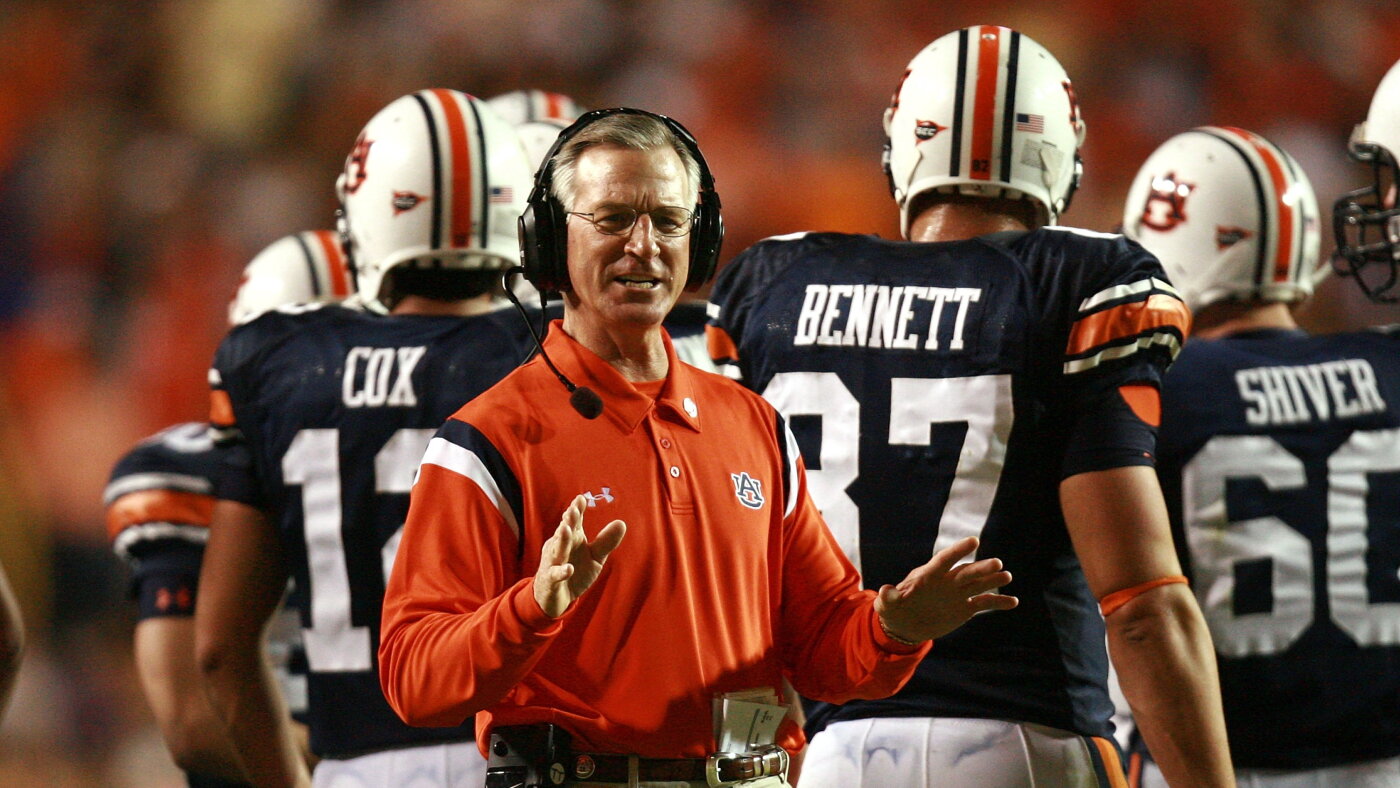
Senator Tommy Tuberville of Alabama, a former football coach at multiple universities and player at Southern State, brings extensive experience in college sports to the debate. He initially opposed the legislation as government overreach but changed his position after reconsidering its purpose. The bill would grant the NCAA a limited antitrust exemption to reinstate the five-year eligibility rule and implement one-time free transfers for athletes, with subsequent transfers requiring a year of ineligibility with certain exceptions. Tuberville has emphasized the value of developing student-athletes over multiple years and providing them with degrees and education.
Other senators with collegiate athletic backgrounds contributing to the discussion include Jim Justice of West Virginia, who played golf at Marshall; Ron Wyden of Oregon, who received a basketball scholarship to U.C. Santa Barbara; Dave McCormick of Pennsylvania, who co-captained the wrestling team at West Point; and Cory Booker of New Jersey, who played tight end at Stanford from 1987 to 1990. Booker has expressed concern about the fairness of current arrangements, noting the economic disparity between athlete contributions and institutional compensation, particularly for students from lower socioeconomic backgrounds. He has pointed to issues including teammates unable to afford completing degrees after athletic careers ended and injured players covering their own medical costs without institutional support.
Senate Democrats leading the effort have documented substantial increases in athletic spending between 2005 and 2023, including a 200 percent rise in travel costs, 250 percent in gameday expenses, over 300 percent in recruiting, and a 370 percent increase in coaching salaries. Supporters contend the legislation is necessary to restore stability to college sports, while critics argue it may protect institutional interests at the expense of athletes.
Article Attribution | Read More at Article Source
Article summary produced by Claude AI