

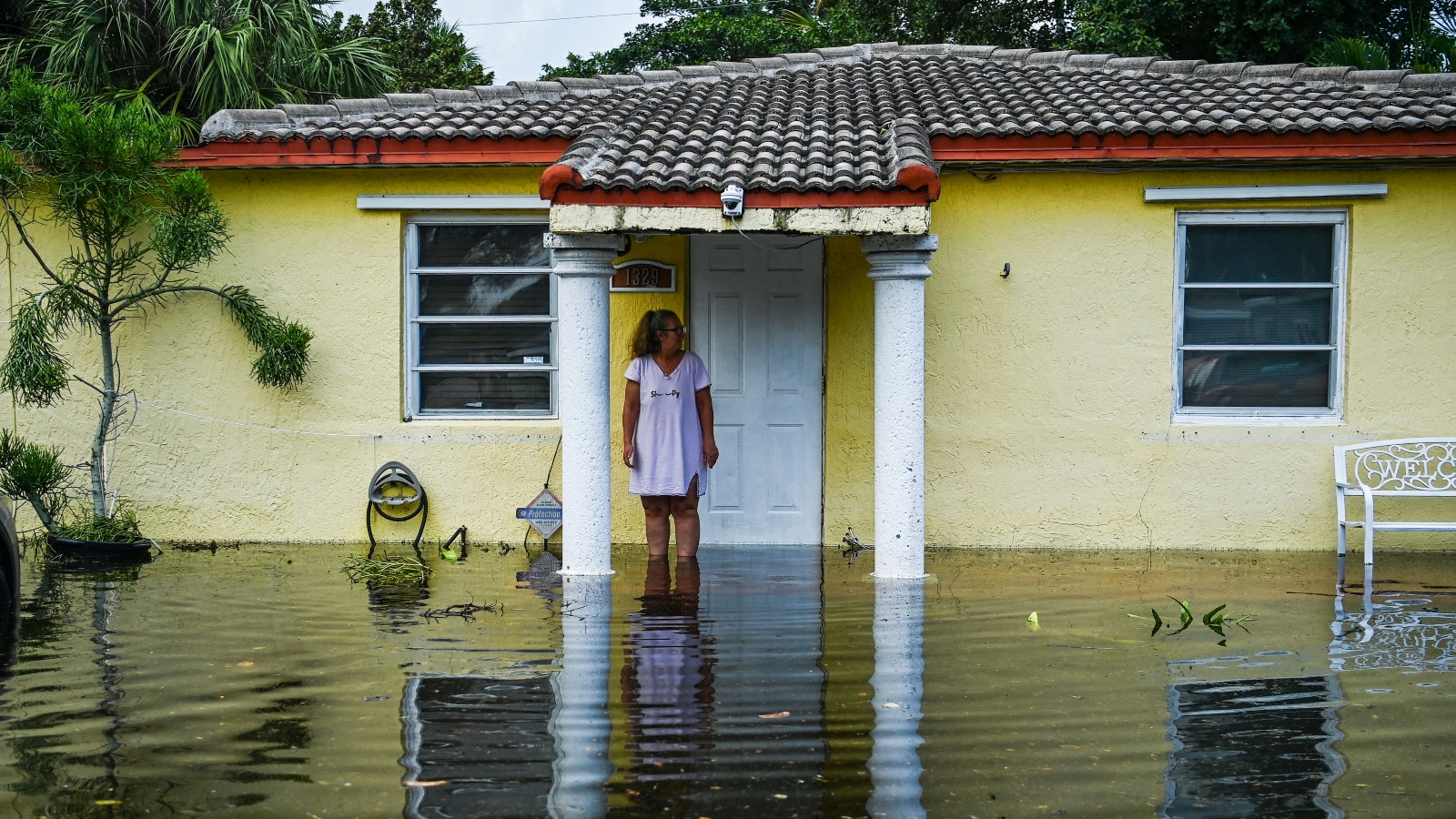
A report released in July by the Consumer Federation of America found substantial racial disparities in home insurance premiums across the United States. The analysis examined identical policies across different communities and determined that homeowners in predominantly Hispanic ZIP codes pay an average of 30 percent higher premiums, or approximately $950 more annually, compared with those in white communities. In predominantly Black ZIP codes, homeowners pay 16 percent higher premiums, averaging $500 more annually. The report controlled for differences in homeowners, their properties, and coverage choices, isolating the premium gaps as genuine disparities.
The cumulative financial impact of these inequities is substantial. Over a 30-year mortgage period, homeowners in Hispanic communities face an additional $28,500 in insurance costs, while Black homeowners face approximately $15,000 in additional expenses. Regional variations are pronounced, with Florida showing the most severe disparities for Hispanic homeowners at 58 percent higher premiums, or $5,014 annually. For Black homeowners, Michigan exhibits the largest gap at 74 percent higher premiums, equating to $1,768 annually.
The disparities reflect a historical legacy of redlining, the now-illegal practice of designating certain neighborhoods as hazardous for lending based largely on residents’ race. Although redlining officially ended in 1968, its effects persist through residential segregation and infrastructure inequities that continue to influence insurance pricing and climate vulnerability. Insurance industry representatives contend that premiums are determined by actuarially-based risk factors and that using race to set rates is illegal. However, concerns exist regarding newer premium-determination methods, including those incorporating artificial intelligence, which may inadvertently create disparate impacts on communities of color.
The findings emerge as climate change increases the frequency of catastrophic weather events, driving overall insurance costs higher. Between 2021 and 2024, typical homeowner insurance costs increased 24 percent nationally. Climate experts note that communities of color, particularly those affected by historical disinvestment, face heightened vulnerability to climate impacts while simultaneously bearing disproportionate insurance costs, raising equity concerns during an ongoing affordability crisis.
Article Attribution | Read More at Article Source
Article summary produced by Claude AI