

A report released in July by the Consumer Federation of America reveals substantial racial disparities in home insurance costs nationwide. The analysis compared identical policies across communities and found that homeowners in predominantly Hispanic ZIP codes pay an average premium 30 percent higher than those in white communities, amounting to approximately $950 more annually. Homeowners in predominantly Black ZIP codes face a 16 percent premium increase, or roughly $500 more per year. These disparities accumulate significantly over time, with Hispanic homeowners facing an estimated $28,500 in additional costs over a 30-year mortgage period and Black homeowners facing $15,000 in additional expenses.
The disparities are most pronounced in certain states. In Florida, homeowners in predominantly Hispanic ZIP codes pay 58 percent more annually for the same coverage. Other states show substantial gaps as well, including New York, Washington, Massachusetts, and Kansas. Among predominantly Black ZIP codes, Michigan exhibits the largest disparity at 74 percent higher premiums, followed by Pennsylvania at 57 percent. These premium increases reflect broader trends in the insurance industry, as costs for typical homeowners rose 24 percent between 2021 and 2024.
Industry representatives attribute premium differences to actuarial risk factors and regional catastrophe exposure rather than discrimination, noting that using race or proxies for race in rate-setting is illegal. However, experts point to a historical context of redlining in insurance and housing that continues to influence community vulnerability and investment patterns. The report also raises concerns about newer premium-determination methods, including those incorporating artificial intelligence, which may inadvertently perpetuate disparities. Previous settlements against insurers for racial discrimination and research showing credit score-based penalties that disproportionately affect communities of color suggest ongoing challenges in equitable rate-setting.
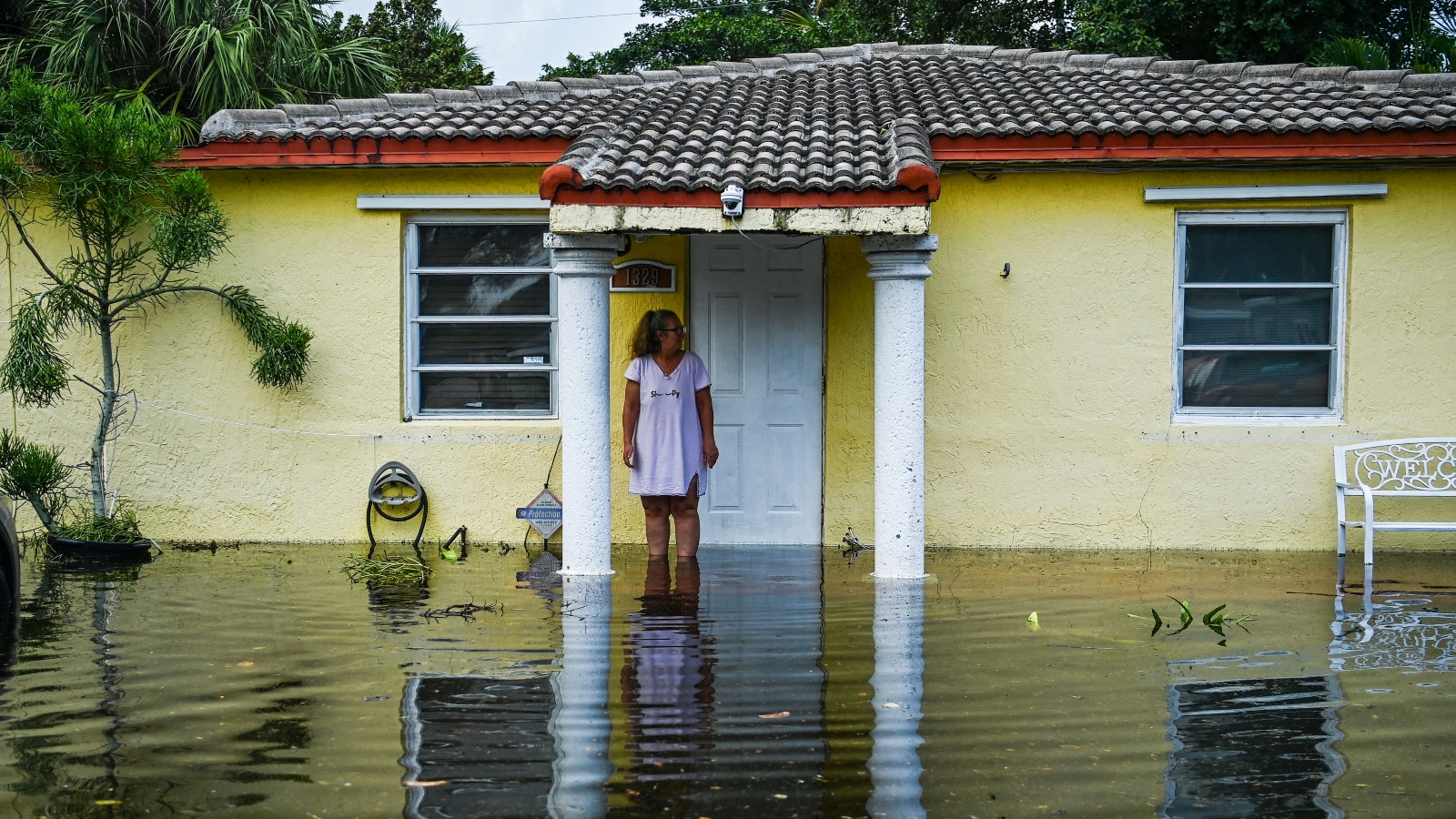
The insurance disparities place communities of color at increased risk as climate change intensifies extreme weather events. Greenhouse gas emissions are driving more frequent hurricanes, wildfires, and other disasters that insurance companies cite as justification for rate increases. Advocates argue that the combined effects of higher premiums and climate vulnerability represent a significant equity crisis for homeowners in minority communities.
Article Attribution | Read More at Article Source
Article summary produced by Claude AI