

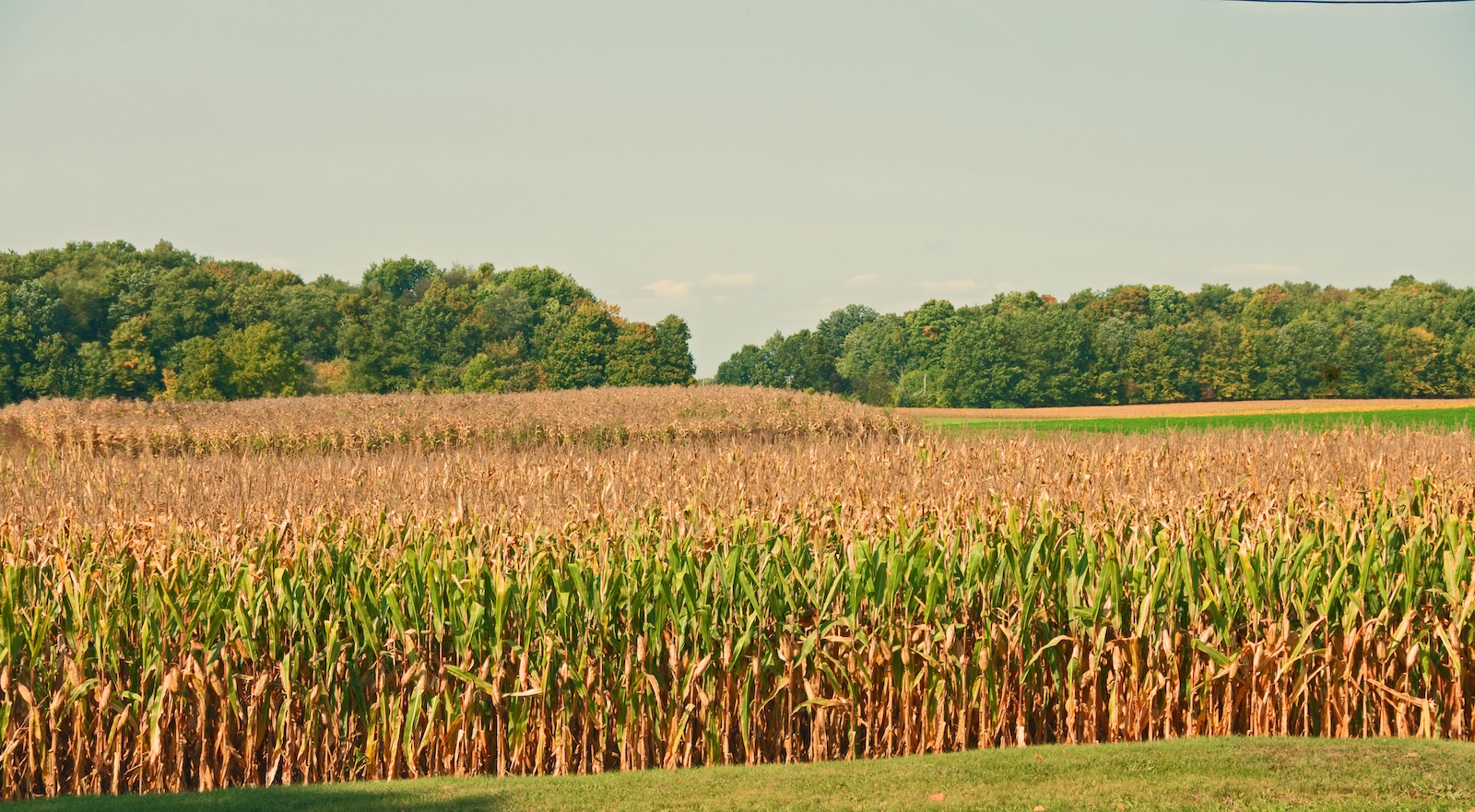
Farmland ownership and usage patterns are undergoing significant shifts across Michigan and the broader United States, prompting farmers to consider various strategies for land preservation. In Michigan, the total acreage devoted to farming declined to approximately 9.5 million acres in 2022, representing a roughly 3 percent decrease from 2017. During the same five-year period, family-owned farm operations decreased by nearly 470,000 acres, while leased or rented agricultural land increased by approximately 30,000 acres.
Farmers face competing pressures as land values appreciate and generational transitions approach. Michigan farmland was valued at roughly $6,800 per acre last year, representing a 7.8 percent increase from the prior year and exceeding the national average growth rate of 4.3 percent. Rising valuations create financial incentives to sell land for development, while simultaneously making it more difficult for the next generation to afford agricultural operations. Additionally, climate change is introducing new challenges, including extreme precipitation events, crop diseases, and temperature fluctuations that complicate farming decisions.
Conservation easements have emerged as one mechanism for protecting farmland while allowing farmers to retain ownership. Under these agreements, landowners sell development rights to nonprofit organizations, preventing future conversion to residential or commercial uses. The Little Traverse Conservancy and similar organizations across Michigan have expanded their protected acreage in recent years, with the state adding approximately 22,000 acres of farmland protected through easements between 2017 and 2022. However, participating farmers receive less compensation through easement sales than they would from outright land sales, creating difficult financial considerations.
Farmers increasingly recognize threats posed by land fragmentation, as aging operators may divide holdings among multiple heirs, creating inefficient ownership patterns. Meanwhile, consolidation pressures drive some operations toward larger scales to remain economically viable. These competing dynamics, combined with a declining number of young people entering agriculture, are reshaping Michigan’s rural landscape as the state’s farming communities navigate the transition from traditional family operations to more varied ownership and operational models.
Article Attribution | Read More at Article Source
Article summary produced by Claude AI