

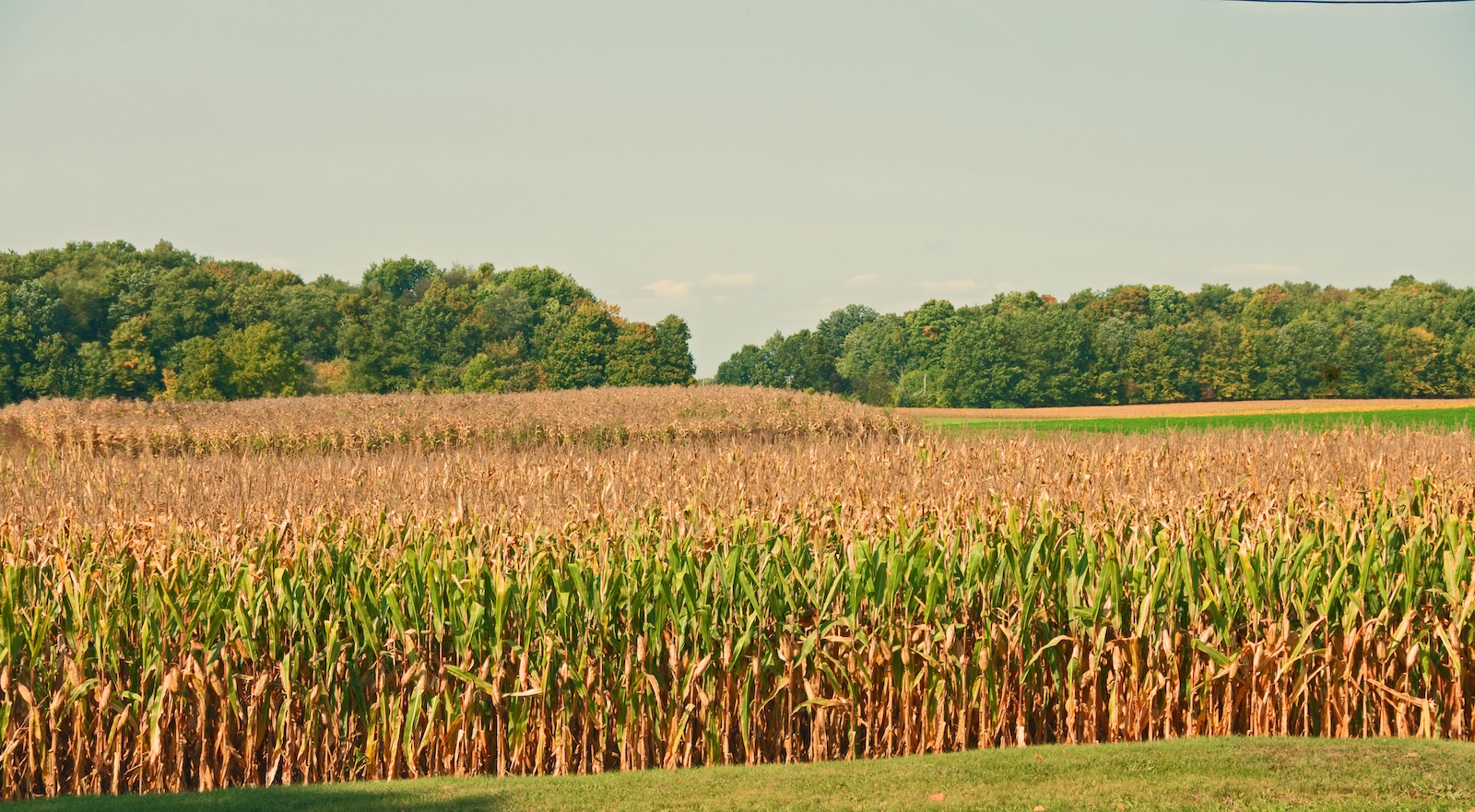
Michigan’s agricultural landscape is undergoing significant transformation as the state’s farmed acreage continues to shrink and ownership patterns shift. According to the most recent federal farm census, approximately 9.5 million acres, representing roughly a quarter of Michigan’s total area, were devoted to farming in 2022—a decline of about 3 percent since 2017. More notably, family-owned farm operations have decreased substantially, with family-owned farmland declining by nearly 470,000 acres during that five-year period, while leased or rented agricultural land increased by approximately 30,000 acres.
Farmers across the state are navigating multiple pressures that complicate decisions about their land’s future. Michigan farmland values have risen sharply, with acreage valued at approximately $6,800 last year, representing a 7.8 percent increase from the previous year and outpacing the national average of 4.3 percent. Additionally, climate change is affecting agricultural operations through more extreme precipitation events, crop diseases, and temperature fluctuations. Simultaneously, younger generations increasingly decline to pursue farming, leaving many agricultural families without clear succession plans.
In response to these challenges, conservation easements have emerged as one preservation tool gaining traction in Michigan. Through such arrangements, landowners retain property ownership while selling future development rights to nonprofit conservancies, restricting conversion to residential or commercial uses while capturing a portion of land value. The Little Traverse Conservancy, which manages approximately 30,000 protected acres across northern Michigan and the Upper Peninsula, has observed growing interest in this approach among farming communities. However, easements present trade-offs: they generate less revenue than outright land sales, and the decision to restrict development rights raises questions about long-term financial implications for farming families.
Farmers emphasize that protecting agricultural land from subdivision and development is critical for maintaining productive capacity and food security. Some regional agricultural operations have responded by consolidating holdings through both purchases and leases, with approximately 39 percent of Michigan’s agricultural land currently leased—mirroring the national average. This trend reflects the economic pressures and scale requirements facing modern farming operations.
Article Attribution | Read More at Article Source
Article summary produced by Claude AI