

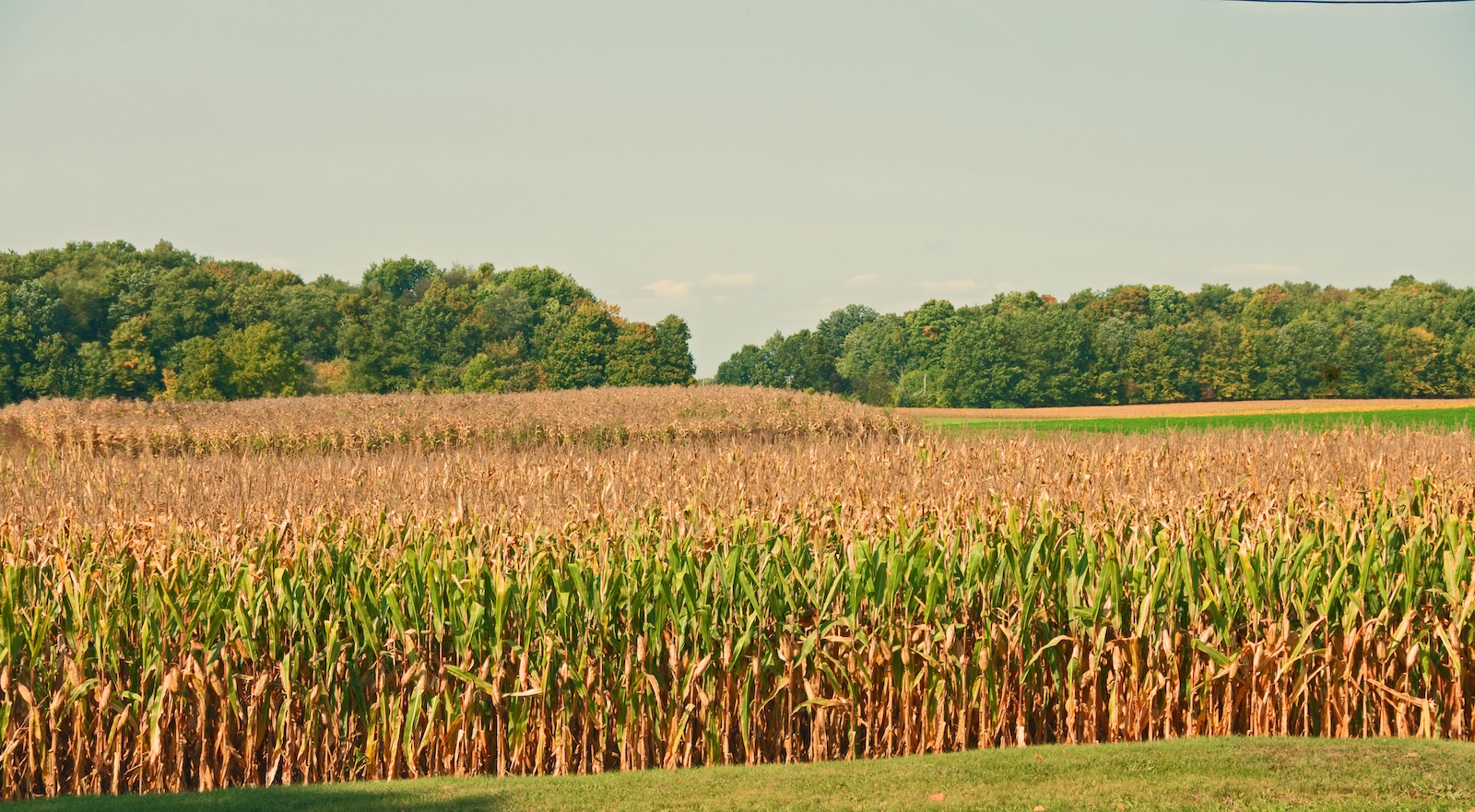
Farmland acreage in Michigan has been declining in recent decades, with the state losing approximately 3 percent of its farming operations between 2017 and 2022. During that same period, family-owned farmland decreased by nearly 470,000 acres, while rented or leased agricultural land increased by roughly 30,000 acres. These trends reflect broader national patterns as millions of acres of farmland are expected to change hands over the coming decades. Simultaneously, farmland values in Michigan have risen substantially, increasing 7.8 percent last year to approximately $6,800 per acre, outpacing the national average appreciation rate.
Farmers across the country are grappling with decisions about how to preserve farmland while contending with multiple pressures. Climate change is already affecting agricultural operations in northern Michigan through extreme weather patterns, crop diseases, and temperature fluctuations. However, some regional farmers believe the area may become increasingly valuable for food production as global climate conditions shift. Rising land values create financial incentives for selling, while younger generations are increasingly choosing not to pursue farming careers. The combination of these factors has created uncertainty for farm operators deciding the future of their operations.
Conservation easements have emerged as one strategy for farmland preservation. Under this approach, farmers retain ownership while selling development rights to nonprofit conservation organizations. Michigan saw an additional 22,000 acres protected through conservation easements between 2017 and 2022. However, the approach presents tradeoffs, as landowners receive less compensation than they would from outright land sales. Agricultural experts note that once farmland is converted to residential or commercial development, it rarely returns to productive use. As farm consolidation accelerates and operational costs rise, some farmers are expanding acreage through purchases and leases, while others seek mechanisms like easements to ensure their land remains devoted to agriculture rather than development.
Article Attribution | Read More at Article Source
Article summary produced by Claude AI