

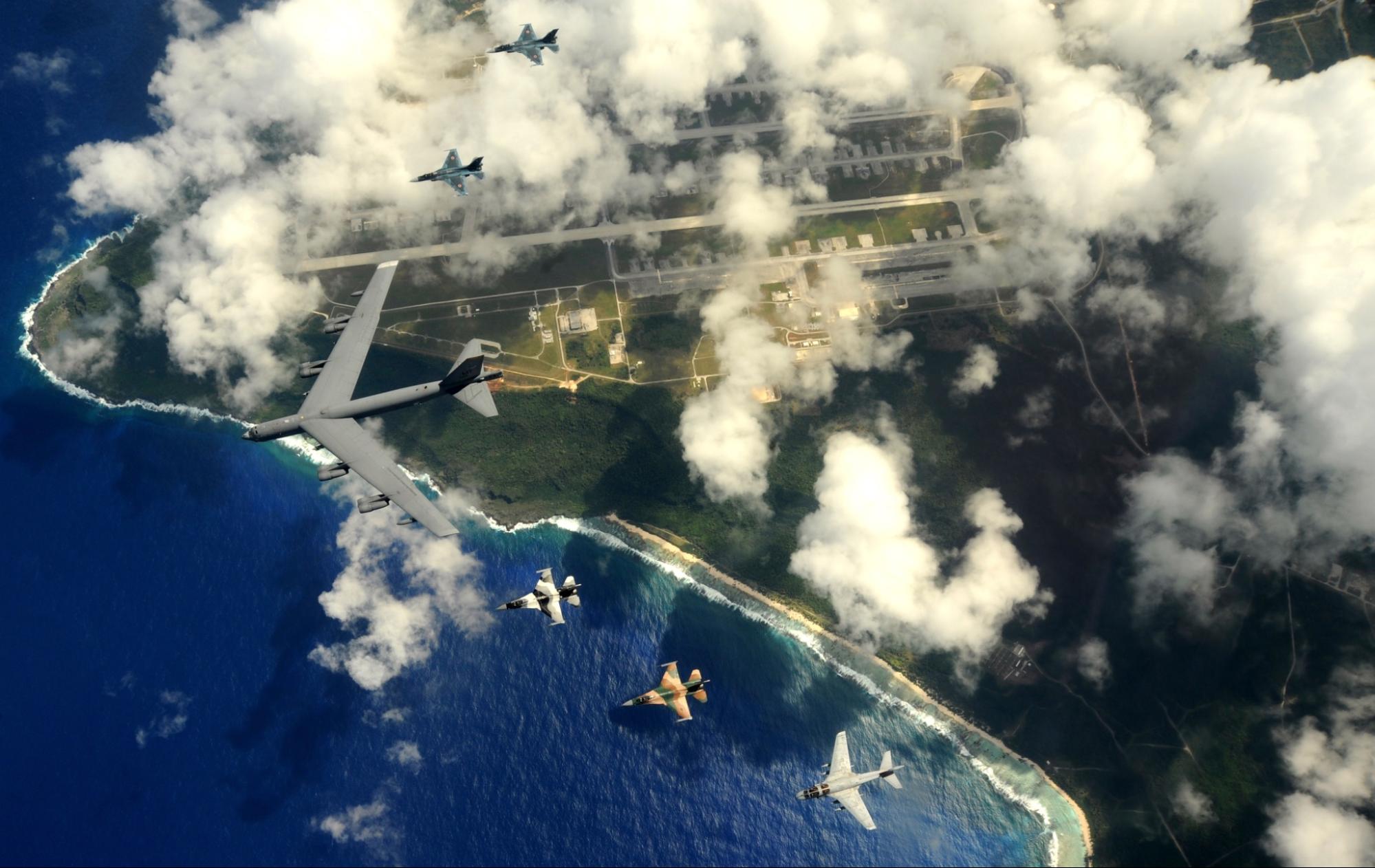
A family in Yigo, a northern village on Guam, learned that their drinking water had been contaminated with dieldrin, a pesticide banned by the United States in 1987. The discovery came when local water authorities issued warnings about cancer risks and liver damage. Testing revealed that high levels of the chemical had been present in the community’s water supply since at least 2008. The U.S. Air Force base adjacent to the well serving the area had documented “very high levels” of dieldrin and listed it as a chemical of concern since at least 1993. The Pentagon’s investigation into the contamination source, overseen by Joint Region Marianas, remains in its early stages.
For residents like Leevin Camacho, the contamination represents part of a broader pattern of environmental degradation linked to more than a century of American military presence on the island. The island faces multiple environmental challenges including unexploded ordnance in jungles and lagoons, PCB contamination in fish, and pollutants in groundwater. Rear Admiral Brett Mietus, head of Joint Region Marianas, stated the command is committed to protecting the environment and meeting all U.S. environmental regulations, while also emphasizing the military’s role in defending the island.
Guam currently sits at the center of a significant military expansion across the Pacific. The buildup includes plans that could affect other islands—on Yap, over 1,000 graves could be disturbed for a seaport and airfield project, while Indigenous leaders on Palau are litigating to protect their lands. The expansion is justified by Pentagon officials who cite growing geopolitical tensions in the Indo-Pacific region. Navy Admiral Sam Paparo requested $122 billion for new weaponry to counter perceived threats, including offensive missiles on Guam.
The military buildup carries climate implications beyond traditional environmental concerns. The Pentagon is the world’s largest institutional emitter of greenhouse gases, and the expansion will contribute to reef and forest destruction while accelerating the climate crisis threatening Pacific island survival. For residents of Yigo, these challenges compound existing vulnerabilities, including typhoon damage from warming seas and ongoing bomb clearing operations from a 1945 dump site.
Article Attribution | Read More at Article Source
Article summary produced by Claude AI